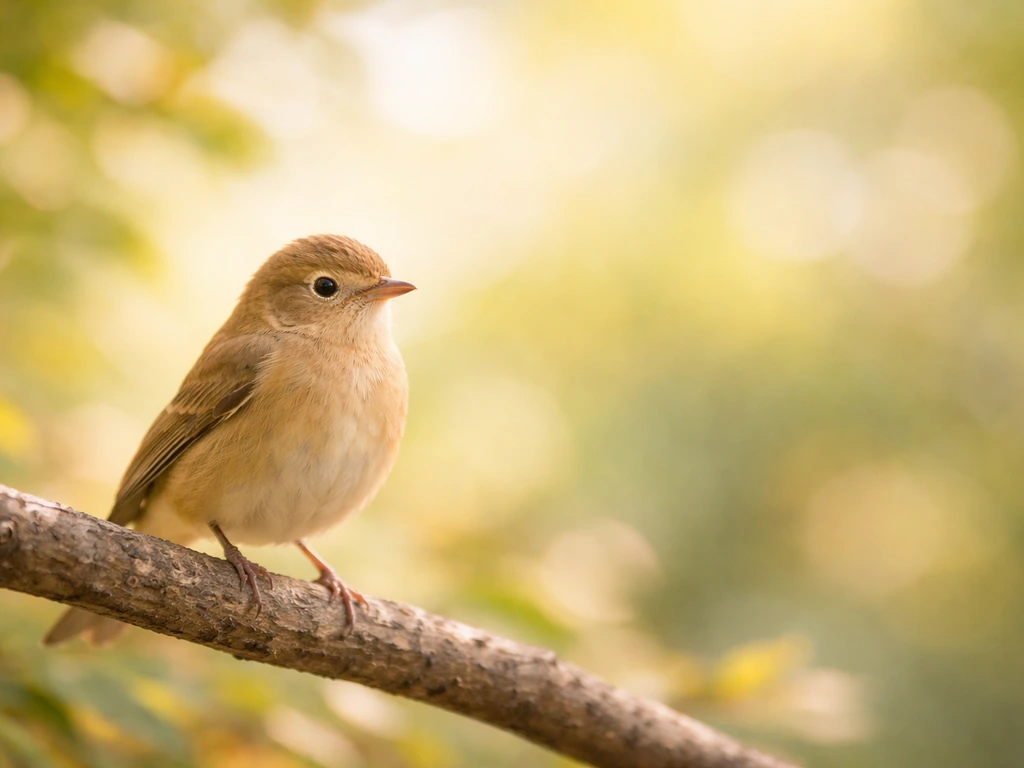
The best female bird names tend to be short (one or two syllables), easy to say with a bright vowel sound, and tied to something real about your bird: her color, her attitude, her species, or a word you genuinely love. Names like Mango, Luna, Pip, Wren, Saffron, and Cleo consistently work well across species because they hit all those marks at once. Etymonline’s entry for “[Luna](https://www. etymonline.
Best Female Bird Names: Meanings and How to Choose

Maya Castellanos
1 May 2026
com/word/luna)” says it derives from the Latin “luna,” meaning “moon,” connected with the Roman moon goddess personification. But the real trick is not finding a universally "best" name, it is finding the one that fits this specific bird. This guide walks you through every angle, from quick naming criteria to etymology and multilingual options, so you can land on something you will still love saying five years from now. This guide walks you through every angle, from quick naming criteria to etymology and multilingual options, so you can land on something you will still love saying five years from now, including cute bird names like Mango or Luna.
Quick criteria for picking a name that actually fits
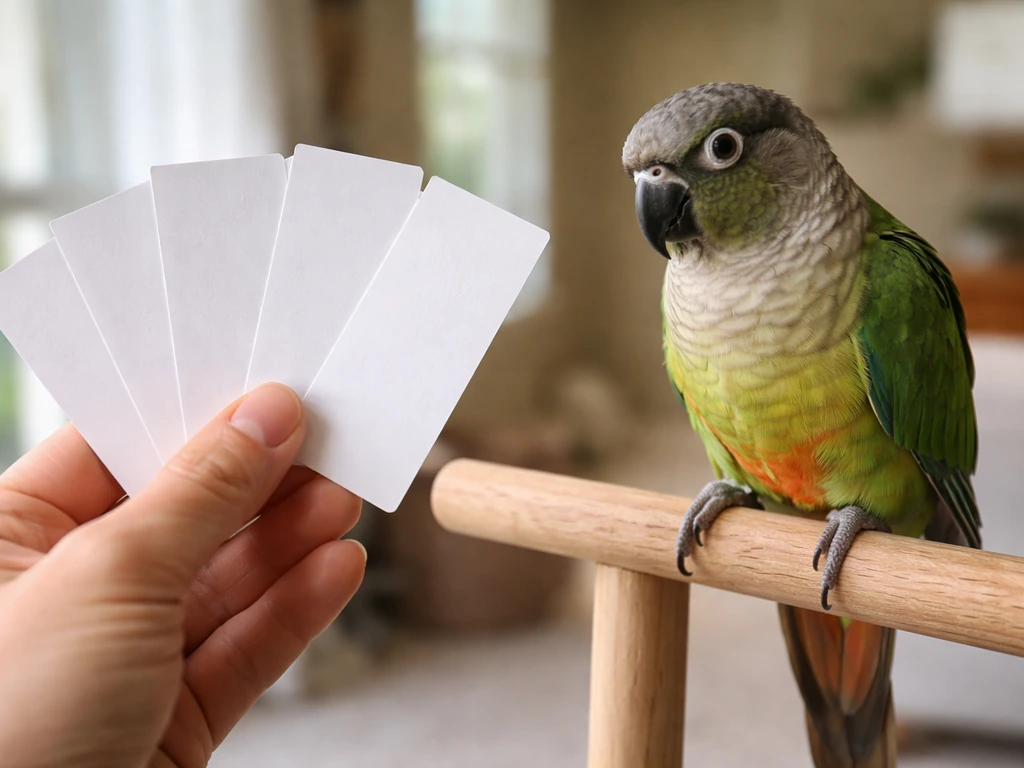
Before you fall in love with a name, run it through these four checks. They will save you from the most common naming regrets.
- Keep it to one or two syllables. Budgie Care Guide and parrot training resources both flag this: short words are easier for birds to recognize and for you to repeat consistently during training. "Kiki" lands faster than "Persephone," even if Persephone is more dramatic.
- Use a bright vowel sound, especially a hard vowel like the "ee" or "ay" sound. Birds are particularly responsive to higher-pitched, clear tones. Names ending in an "ee" sound (Daisy, Zuzu, Sunny) naturally carry that quality.
- Say it out loud ten times fast. If you stumble, so will your family. Names that are hard to say get shortened or abandoned, which confuses the bird.
- Check for household conflicts. If you already have a pet named Luna or a family member whose nickname is Sunny, pick something that will not get mixed up in day-to-day conversation.
- Make sure it reflects something real. A name tied to a trait, color, or species personality will feel right for the lifetime of the bird. Naming a calm, silver-feathered bird "Blaze" is technically fine but will always feel slightly off.
The top categories of female bird names (and why each works)
Most great bird names fall into one of five buckets. Knowing which category fits your bird's personality and your naming style narrows the field fast.
Personality-based names
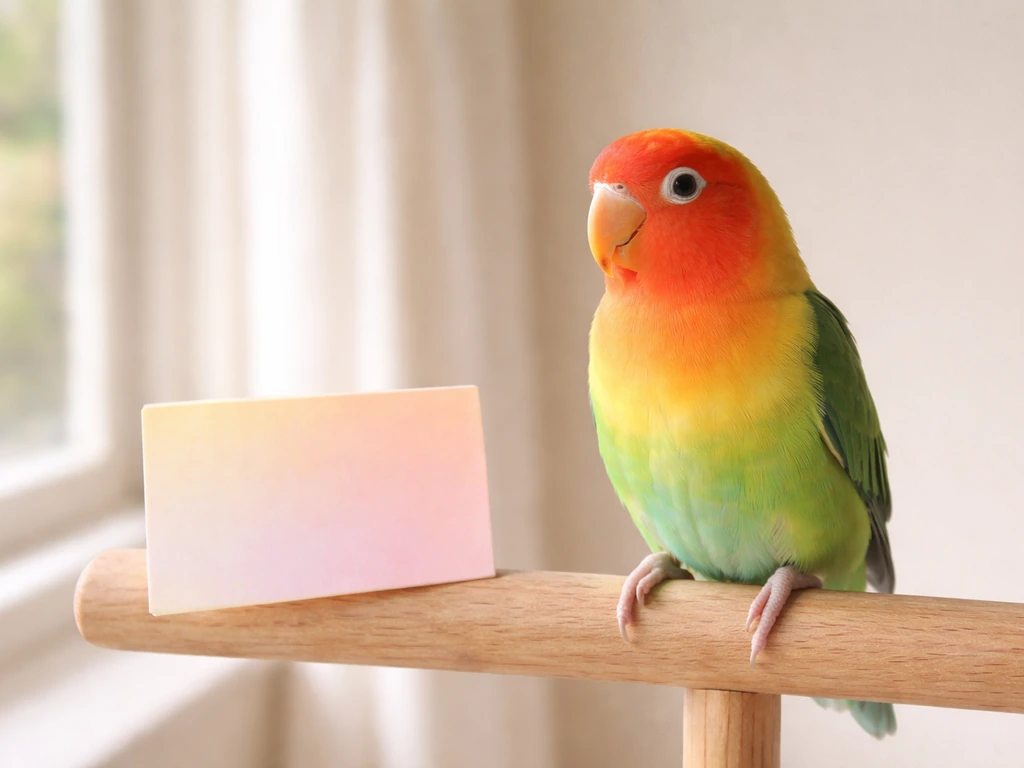
These are names that describe how the bird acts: bold, sassy, shy, mischievous, or sweet. They work especially well for parrots, cockatiels, and lovebirds, whose personalities are often front-and-center from day one. Think Diva, Sassy, Pepper, Pixie, or Queenie. The risk with this category is naming a bird before you really know her. If your "Sassy" turns out to be a gentle, quiet bird, the name becomes ironic rather than fitting. Give yourself a week of observation first.
Color and appearance-based names
Color names are the most universal category and the easiest starting point. A green bird named Sage or Fern, a yellow bird named Goldie or Saffron, a blue bird named Indigo or Celeste, a white bird named Pearl or Ivory: these names are descriptive, easy to remember, and age well. They also have great etymological backstories, which matters if you enjoy the linguistic side of naming.
Nature-inspired names
Flora, weather, and landscape names translate beautifully to birds. Willow, Clover, Aurora, River, Ivy, Hazel, and Meadow all carry a natural quality that suits birds without feeling forced. These names are popular for finches, canaries, and softbills whose quiet, gentle presence matches the gentler end of the nature lexicon. For a bold macaw, you might push toward something more dramatic like Storm or Zara.
Sound and behavior-based names
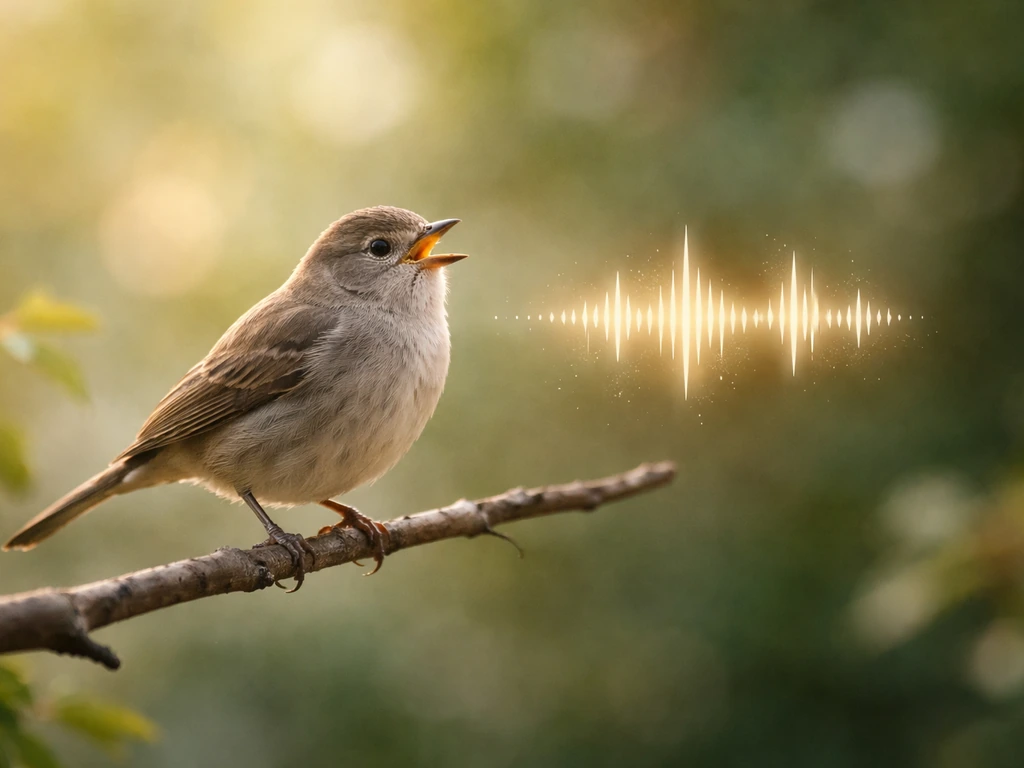
A bird that chatters constantly deserves a name like Chatter, Pippa, or Echo. A bird with a distinctive call might get named after that sound (Chirp, Trill, or Melody). This category overlaps with how scientists and ornithologists actually name species: many birds have common names derived directly from their calls, such as the Chiffchaff or Chickadee. Giving your bird a sound-based name puts you in good company with centuries of avian naming tradition.
Themed names: food, mythology, pop culture, and human classics
Themed names are where creativity gets fun. Food names (Mango, Papaya, Cinnamon, Biscuit, Kiwi) are perennially popular and often have the short, bright vowel quality that works well for bird recognition. Mythology names (Hera, Iris, Athena, Juno) add gravitas and have rich etymological backstories. Human names (Cleo, Stella, Ruby, Nora) are approachable and familiar. Pop culture references can date quickly, so use them only if the source material is something timeless to you personally.
Curated female bird names with meanings and origins
Here is a curated set of names across those categories, with meanings and etymological notes. These are not just aesthetically pleasing names, they each have a story behind them, which is often what makes a name stick.
| Name | Category | Origin / Meaning |
|---|---|---|
| Mango | Food / Color | From Tamil 'mankay' via Portuguese 'manga'; evokes tropical warmth and orange-yellow coloring, perfect for sun conures or golden-hued birds |
| Luna | Nature / Mythology | Latin for 'moon'; suits pale, silver, white, or blue birds; the name of the Roman moon goddess |
| Saffron | Color / Food | From Arabic 'za'faran', meaning yellow; historically one of the most valuable spices; ideal for yellow birds like canaries or lutino parakeets |
| Pip | Sound / Personality | Old English / Germanic origin; means a small seed or a short high-pitched note; fits tiny, lively birds like finches or budgies |
| Wren | Species-inspired | From Old English 'wrenna'; the wren is a tiny but famously bold bird; suits small birds with outsized personalities |
| Cleo | Human classic / History | Short form of Cleopatra, from Greek 'kleos' meaning 'glory' or 'fame'; strong, elegant, and easy to say |
| Iris | Mythology / Color | Greek goddess of the rainbow; 'iris' also refers to the colored part of the eye; perfect for multi-colored or iridescent birds |
| Sage | Nature / Color | Old French 'sauge', from Latin 'salvia' meaning 'healing plant'; grey-green color reference; suits calm, quieter birds |
| Kiwi | Food / Geography | From Maori 'kiwi', the name of a New Zealand bird; playful, short, easy to say |
| Celeste | Color / Nature | Latin 'caelestis' meaning 'heavenly' or 'sky-blue'; excellent for blue or turquoise birds like budgies or parrotlets |
| Pepper | Food / Personality | Old English 'pipor' from Latin 'piper'; spicy, sharp character implied; great for feisty lovebirds or cockatiels |
| Aurora | Nature / Mythology | Latin for 'dawn'; Roman goddess of the dawn; suits birds with multi-colored or rosy plumage |
| Tiki | Pop culture / Sound | Polynesian origin, referring to carved figures; short, punchy, works well for tropical species |
| Hazel | Nature / Color | Old English 'haesel'; refers to the hazel tree and its warm brown-gold color; suits earthy-toned birds |
| Zuzu | Sound / Playful | Reduplicated sound name; the repeated 'zu' mimics chirping patterns; easy for birds to begin associating with as a sound cue |
| Athena | Mythology | Greek goddess of wisdom; from a pre-Greek name of uncertain origin; suits intelligent species like African greys or cockatoos |
| Clover | Nature | Old English 'claefre'; the three-leaf plant; gentle, fresh-feeling name for quieter, ground-foraging species |
| Indigo | Color | From Greek 'indikon' meaning 'from India'; deep blue-violet dye; fits blue-toned birds like hyacinth macaws or Indian ringnecks |
| Papaya | Food / Tropical | From Carib/Arawak 'papaia'; a tropical fruit; warm, soft-sounding name for orange or yellow-tinged birds |
| Nora | Human classic | From Latin Honora or Irish Nóra; means 'honor'; soft and classic, suits gentle or older-feeling birds with dignified bearing |
Matching the name to the species and her actual behavior
The Merck Veterinary Manual makes a point that is easy to overlook: birds have distinct temperaments and noise levels that vary significantly by species. That species context should inform the name. A bird's name is something you say dozens of times a day, often mid-interaction, so it should feel congruent with the bird you are actually talking to.
Here is a rough species-to-naming-style guide based on typical behavioral traits. These are tendencies, not rules, and individual birds always vary.
| Species / Type | Typical Traits | Name Style That Tends to Fit |
|---|---|---|
| Budgerigar (Budgie) | Chatty, social, small, energetic | Short sound names or food names: Pip, Kiwi, Zuzu, Sunny, Mochi |
| Cockatiel | Affectionate, whistling, expressive crests | Nature or human-style names: Hazel, Nora, Willow, Daisy, Cleo |
| Lovebird | Bold, bonding-focused, feisty | Personality names: Pepper, Sassy, Ruby, Pixie, Diva |
| Conure (sun/green cheek) | Loud, playful, high energy, colorful | Color or tropical names: Mango, Papaya, Saffron, Zara, Chili |
| African Grey | Intelligent, observant, vocabulary-rich | Mythology or classic names: Athena, Iris, Cleo, Sage, Minerva |
| Cockatoo | Loud, demanding, affectionate, white/salmon | Dramatic or nature names: Aurora, Luna, Pearl, Bella, Queenie |
| Canary | Musical, quiet, melodic voice | Sound or nature names: Melody, Trill, Clover, Wren, Aria |
| Finch / Softbill | Quiet, fluttery, flock-oriented | Gentle nature names: Pip, Fern, Clover, Ivy, Meadow |
| Macaw | Large, bold, vivid coloring, long-lived | Strong mythology or color names: Indigo, Athena, Juno, Zara, Celeste |
One practical tip: watch your bird for a week before committing. Notice what she does most. Does she hang upside down and bat at toys? Does she preen quietly for hours? Does she scream at the window every morning? Those behaviors often suggest a name more clearly than any list. A bird who greets the sunrise with a piercing call might earn the name Aurora without you even trying.
Multilingual and cultural angles worth knowing
Bird naming has a genuinely rich linguistic history, and pulling from other languages is one of the most reliable ways to find a name that feels distinctive without being invented. Many of the names people consider "unique" are actually just common words in another language, which gives them both freshness and grounded meaning.
Names drawn from bird-related words across languages
- Avis (Latin): means 'bird' itself; the root of 'avian' and 'aviary'; elegant and understated as a name
- Zazu (Swahili-flavored, popularized in The Lion King): though the fictional hornbill is male in the film, Zazu is used widely as a female bird name and has a pleasing reduplicated sound
- Paloma (Spanish): means 'dove'; from Latin 'palumba'; a classic feminine name in Spanish-speaking cultures with clear avian meaning
- Pichon (French): means 'pigeon' or 'chick'; used affectionately in French as a term of endearment, parallel to how English speakers say 'little bird'
- Tori (Japanese): means 'bird' (鳥); short, modern-sounding, and carries direct avian meaning for those who know it
- Vogel (German/Dutch): means 'bird'; less commonly used as a pet name but a fun nod for language enthusiasts
- Alouette (French): means 'lark'; well-known from the children's song; bright, musical, three syllables but very singable
- Amaya (Japanese/Basque): in Japanese, can be read as 'night rain'; in Basque, means 'mother city'; poetic and soft-sounding for a calm bird
- Anka (Turkish/Slavic): in Turkish, refers to the mythological phoenix-like bird Anka (or Anqa in Arabic); in Slavic languages, a form of Anna meaning 'grace'
How scientific naming connects to everyday bird names
It is worth knowing that the conventions we use for naming pet birds are loosely descended from the same traditions that gave birds their scientific and common names. Many common bird names derive from Latin or Greek descriptions of color, behavior, or habitat, exactly the same categories that make good pet names. The canary (Serinus canaria) is named for the Canary Islands, which themselves derive from Latin 'Canariae Insulae' meaning 'Island of Dogs' (canis = dog), not birds at all. The budgerigar comes from the Gamilaraay language of Indigenous Australians, meaning roughly 'good food' or 'good cockatoo.' Knowing these roots can inspire names or simply make the ones you choose feel more considered.
Mythology across cultures
Birds occupy a special place in world mythology, and their mythological names translate beautifully to pets. Bennu is the ancient Egyptian heron-deity associated with the sun and creation, a precursor to the phoenix myth. Saraswati, the Hindu goddess of knowledge and arts, is always depicted with a swan or peacock. Alcyone (from Greek myth) was transformed into a kingfisher; her name means 'queen who wards off storms.' Any of these carry depth for someone who wants a name with genuine cultural weight behind it, not just a pretty sound.
How to shortlist and test names with your bird
Once you have a shortlist of three to five names, the next step is practical: start using them and watch what happens. Birds do not know their name instinctively, they learn it through repetition and association, exactly the same way they learn any sound. A Cornell Chronicle summary of a Cornell study similarly suggests that wild parrot nestlings learn their contact-call “names” from their parents learn it through repetition and association. Here is how to run a low-pressure name test. If you are trying to figure out which bird name fits best, use the checks and testing steps in this guide to narrow it down name test.
- Pick your top two or three names and say each one clearly, in a normal conversational tone, several times over a few days. Do not mix them up in the same session. Spend a day on each.
- Watch for any response: a head turn, a chirp, a hop toward you, or eye contact. Any acknowledgment is a signal the sound registered. Per Budgie Care Guide's training method, reward that acknowledgment immediately with a treat, a gentle word, or a bit of attention.
- After a few days, notice which name you find yourself defaulting to. The name you naturally reach for first is usually the right one. Your comfort and fluency with the name matters as much as the bird's response.
- Once you choose, say the name frequently and naturally during positive interactions: feeding, play, and handling. Per All About Parrots' guidance on word training, pairing the sound with rewards builds the association fast.
- Avoid saying the name during discipline or stressful moments. You want the bird to associate her name purely with good things.
- Give it two to three weeks before deciding the name is not working. Some birds take longer than others to orient to a new sound, especially birds rehomed from elsewhere who may be associating different sounds with attention.
Common naming pitfalls to sidestep
- Names that rhyme with commands you use (e.g., naming a bird 'Jay' when you say 'stay' frequently creates confusion)
- Very long names used in full every time: if you name her Persephone but call her Percy anyway, just name her Percy from the start
- Names that sound like other pets' names in the house, especially if you have a dog who responds to commands nearby
- Novelty names tied to a current trend or show that you might outgrow, unless the source material is genuinely timeless to you
- Names chosen before you have spent time with the bird: a name chosen on day one is often replaced by week two once the personality shows up
A few final name suggestions worth having on your list
If you are still building your shortlist, here are some additional names organized by feel. These complement the deeper list above and cover some styles not yet represented. For anyone also exploring cute names broadly (not just female-specific) or names for a particular species or color, the same principles of short syllables, meaningful origins, and behavioral fit apply across the board. If you are specifically searching for what is the cutest bird name, focus on short, easy syllables and a name that matches your bird’s personality cute names broadly.
| Feel / Vibe | Name Options |
|---|---|
| Sweet and gentle | Daisy, Blossom, Petal, Honey, Fern, Birdie |
| Bold and strong | Zara, Juno, Blaze, Raven, Storm, Valkyrie |
| Playful and silly | Wobble, Biscuit, Mochi, Pretzel, Pickles, Jellybean |
| Classic and timeless | Pearl, Ruby, Stella, Cleo, Nora, Violet |
| Exotic and linguistic | Paloma, Tori, Amaya, Anka, Celeste, Avis |
| Nature and outdoors | Willow, Ivy, Clover, River, Wren, Meadow |
The best female bird name is the one that feels right when you say it at 7am while she is waiting for her morning millet. Go with the name that makes you smile, fits what you actually see in her, and passes the shortness and clarity test. If you are curious about playful options, a Bugs Bunny bird name is a fun way to pick something quirky and memorable. Everything else is style.
If you are curious about themed, recognizable references like what is the froot loops bird name, you can still apply the same shortness, clarity, and behavior-fit rules to keep the name feeling right for your bird. If you are specifically hunting for cute bird names, focus on short, easy sounds plus a name that matches your bird's personality and behavior.
FAQ
What should I avoid when choosing the best female bird names?
Avoid names with lots of consonant clusters (they are harder to hear clearly), names that sound too close to common training cues (like “Sit” or “No”), and any name you would not say repeatedly at different moods (excited, calm, frustrated). Also skip very long names, since birds often respond best to shorter, consistent sounds.
Do female bird names need to be gendered, or can I use a neutral name?
You can use a gendered name, but it is not required for recognition. Birds learn the sound pattern, not the gender label. If you like a unisex name, choose based on clarity and fit first, then decide whether you want a “female-coded” feel for your own preferences.
How long should I test a name before switching?
Give each candidate at least several days of consistent use, and preferably a full week, since birds associate sounds through repetition. If you notice no consistent approach or attention by day 7, try swapping the syllable pattern (for example, change the vowel or reduce syllables), not just the final letter.
My bird changes behavior a lot, how do I pick a name that still fits?
Use the behavior you see most often, but also consider “default mode” over rare moments. A name based on a stable trait (color, chirp pattern, general energy level) usually outlasts names based on one-off behaviors that may change with season, bonding stage, or stress.
What’s a good name length and sound pattern for parrots versus finches?
For most parrots, short names (1 to 2 syllables) with bright vowels tend to stick well, and many enjoy repeated, rhythmic phrasing. For smaller birds like finches, prioritize crisp, distinct syllables that you can say consistently, avoid long phrases, and watch whether they respond to the first syllable more than the whole name.
Can I use a name that is also a person’s name or a well-known term?
Yes, but check for ambiguity in your routine. If the name is used often by other household members or overlaps with everyday commands, it may dilute learning. If you use a common word, keep it as a unique label your bird hears only in the same “naming moment,” not throughout casual conversation.
Are there any cultural or language pitfalls when using multilingual or myth-based names?
Treat mythological and foreign-language names as inspiration, but confirm pronunciation and meaning before committing. If a name is commonly mispronounced in your language, consider a version with the same meaning but a clearer sound, since the bird will not adapt to the “correct” spelling if you are inconsistent.
Should the name match the species, or is it optional?
Species matching is helpful, not mandatory. A color or sound-based name can work across species, but species context can guide you away from mismatches (for instance, a very “chatty” name may feel off if your bird is unusually quiet). If in doubt, anchor the name in color and general temperament, since those are less likely to conflict with the bird’s natural behaviors.
What if my bird doesn’t respond to the name at all?
First confirm you are using the name in the same situation each time (before offering a favorite treat or during calm attention). Then simplify the name to the first syllable or switch to a new candidate with different vowels and rhythm. Also consider that some birds are slow to bond, so responsiveness may improve after consistent handling and a stable routine.
Next Articles
Good Pet Bird Names: Best, Common, and Meaningful Ideas
Curated list of good pet bird names with meanings and tips to pick, teach, and reinforce the perfect fit fast
Good Names for a Dodo Bird: Ideas and How to Pick
Cute, funny and elegant dodo bird names plus how to pick one, with language meanings for flightless island vibes.
How to Pronounce Dodo Bird Correctly in English
Learn standard and US UK pronunciation of dodo bird, with syllables, stress, etymology, and practice drills.