The best bird dog names are two syllables, end in a vowel sound, carry a meaning tied to birds or the field, and sound nothing like "sit," "stay," "come," or "no." Names like Falcon, Wren, Teal, Cora, Brant, and Pippa check every box: they're short, distinct, and carry real bird-world weight. If you want to pick one today, read through this guide, grab a shortlist of five, say each one out loud in a backyard-call voice, and cross off anything that sounds muddy or command-like. You'll have your name in ten minutes.
Best Bird Dog Names: Pick Yours by Personality and Color
Maya Castellanos
2 May 2026
What makes a great bird dog name
Training is the reason name choice matters more for a hunting dog than for the average household pet. A gun dog works in loud, wind-blown fields where your voice is competing with flushing birds, other dogs, and general chaos. The name is the first sound you throw at the dog before every cue, so it has to cut through that noise cleanly and make the dog snap to attention immediately. According to the American Kennel Club and The Seeing Eye's puppy-naming guidance, two syllables is the sweet spot. One syllable can get swallowed; three or more starts to blur in field conditions. An ending vowel ("Falco," "Tala," "Pippa," "Wingo") creates a natural rise in your voice that dogs lock onto faster than a hard consonant stop.
The bigger trap people walk into is picking a name that rhymes with or sounds like a command. The Seeing Eye gives the clearest examples: "Mo" sounds like "No," and "Kit" sounds like "Sit." Research backs this up too. Dogs don't always catch fine phonetic differences between similar-sounding words, so if your dog's name and your recall cue start to blur together, you've built confusion into the foundation of your entire training relationship. For gun dog work specifically, Gun Dog Magazine points out that a dog's name sometimes doubles as a release or attention signal in the field, so it needs to stay acoustically clean and separate from everything else you say.
Name recognition itself is a trained behavior, not an innate one. The way it works is simple: say the name once, the dog orients toward you, and something good happens. That's the loop. The Royal Kennel Club describes the fully trained name as a "stop, look, and wait" signal. The dog hears the name, freezes, looks at you, and waits for the next cue. For a pointing dog, that's a perfect parallel to the hold-and-wait posture you're building anyway. Get the name right acoustically, and the whole training chain benefits.
Matching the name to your dog's traits
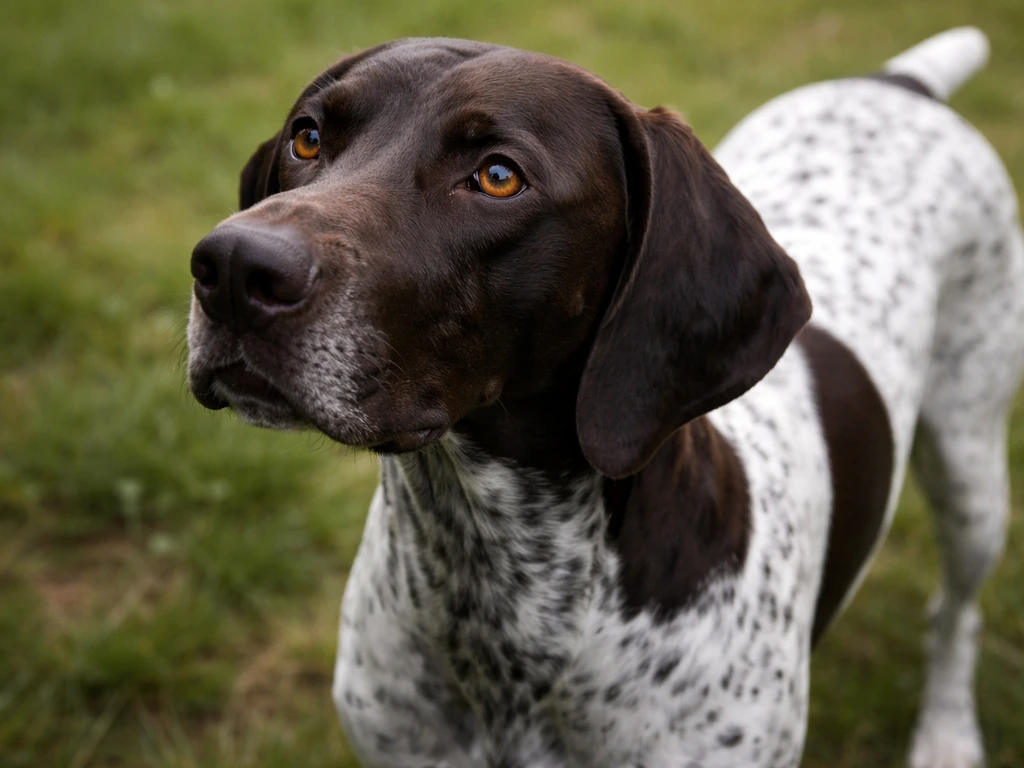
Before you scroll through lists, spend two minutes observing your dog. The best names tend to come from one of three sources: what the dog looks like, how the dog moves, and what the dog was bred to do. A big, serious black Labrador built for retrieving ducks calls for something different than a wiry, high-energy English Pointer that bounces around like a caffeinated spring. Here's a quick way to think through it.
- Coat color or pattern: A dog with a dark head and lighter body is basically a brant (the seabird with a black head, neck, and narrow white necklace). A dog with rufous, buff, and brown ticking all over is a dead ringer for a Northern Bobwhite's plumage pattern.
- Energy level: Frenetic, always-on dogs suit names that feel kinetic, like Swift, Wren (small and impossibly quick), or Dart. Calm, deliberate dogs suit heavier bird names like Mallard, Drake, or Sage.
- Hunting role: Pointing breeds carry names well that evoke alertness and stillness, like Falcon, Brant, or Flint. Retrieving breeds suit names with momentum, like Teal, Rush, or Ripley.
- Personality: A goofy, social dog can pull off Bobwhite or Sparrow without irony. A serious, focused dog wearing "Sparrow" might confuse people at the hunting camp.
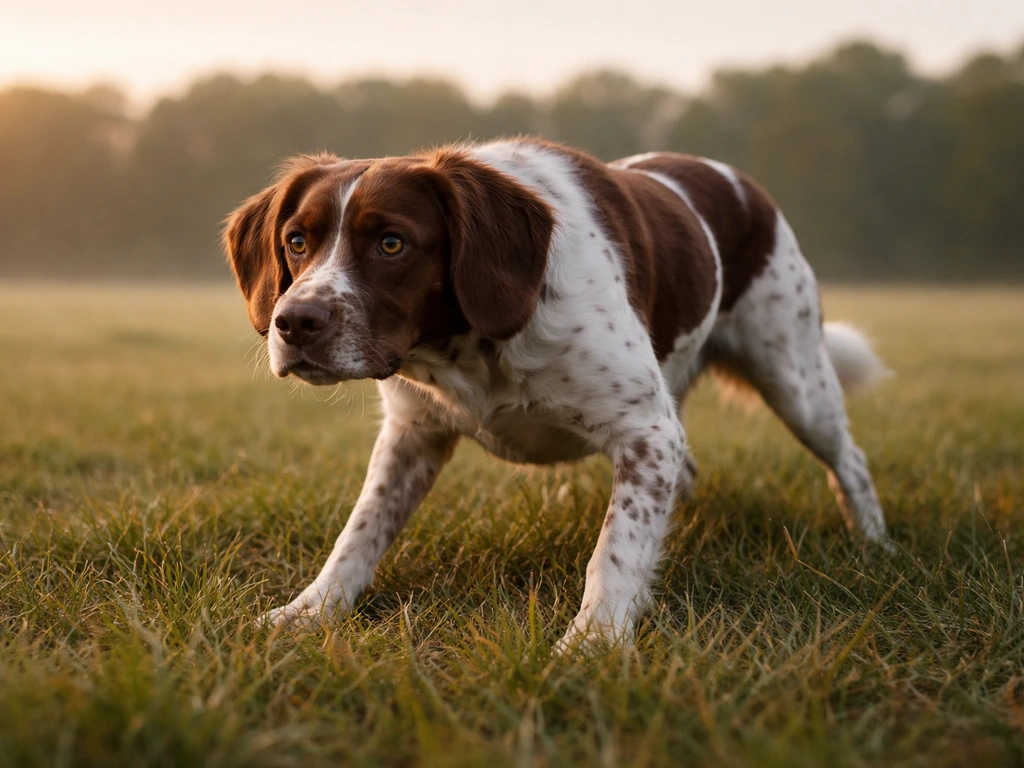
You don't have to be rigid about this. Some of the most memorable bird dog names come from a slight mismatch that becomes a running joke, like naming a tiny Brittany "Mallard" because she acts like she owns every pond she sees. These funny bird name ideas can help you pick something playful without sacrificing how clearly your dog will hear it in the field memorabe bird dog names. The point is to start the process intentionally rather than just picking something that sounds cool in the living room.
Top bird-themed names with meanings and origins
These are names drawn directly from the bird world, with real etymological roots that make them feel grounded rather than made-up. If you're curious about the broader topic of the best bird species names, this same bird-inspired naming logic can help you narrow down options that feel authentic. They're organized roughly by feel rather than alphabetically, because you're looking for a match, not a dictionary.
Sharp, strong names for serious working dogs
| Name | Bird origin | Etymology / meaning | Best for |
|---|---|---|---|
| Falcon | Peregrine falcon and falcon family | From Old French and Late Latin, with Germanic roots relating to the curved bill or sickle shape; historically a prestige bird of prey | Pointing breeds, any dog with intensity |
| Brant | Brant goose (Branta bernicla) | A seabird with a striking black head, neck, and narrow white necklace; used in North American waterfowling contexts | Dark-headed or black-and-white dogs, retrievers |
| Drake | Male mallard duck | Old English and Germanic roots; simply the adult male duck, classic waterfowl vocabulary | Male retrievers, especially Labs |
| Mallard | Mallard duck (Anas platyrhynchos) | From Middle/Old French 'malard/malart,' meaning 'male wild duck,' built from 'male' + a suffix indicating origin | Big, confident male waterfowl dogs |
| Kite | Red kite or black kite | Old English 'cyta,' a medium-to-large bird of prey known for effortless soaring and sharp eyesight | Elegant, rangy pointing breeds |
Lighter, quicker names for energetic dogs
| Name | Bird origin | Etymology / meaning | Best for |
|---|---|---|---|
| Wren | Wren (family Troglodytidae) | From Old English, with Germanic roots of uncertain origin; wrens are tiny, fast, intensely active birds packed with personality | Small fast breeds, female Brittanys or cockers |
| Teal | Teal duck (Anas crecca) | Middle English origin; named for the bird, also gives us the blue-green color; ducks of surprising speed in flight | Quick retrievers, dogs with blue or green-tinted coats |
| Quail | Northern Bobwhite or California Quail | From Old French and possibly imitative of the bird's call; one of the most hunted upland birds in North America | Upland flushing dogs, small to medium breeds |
| Wren | See above | As a name it's also recorded in English biographical usage (Merriam-Webster notes this), adding a human-name elegance to the bird meaning | Any female gun dog |
| Swift | Common swift (Apus apus) | Old English 'swift,' directly from the adjective meaning rapid; swifts are among the fastest birds in the world in level flight | Energetic, hard-running dogs of any breed |
Names with pop culture and sports flavor
Bird names have deep roots in sports and pop culture, which gives you another angle if you want the name to carry a double meaning. The Baltimore Orioles take their name directly from Maryland's state bird, the Baltimore oriole, and the franchise has used bird imagery for decades. NFL teams like the Falcons, Eagles, and Seahawks (loosely osprey) have made bird names feel powerful and athletic. There are several NFL teams with bird names, and you can count them by looking at each team nickname one by one. If you're a Cardinals fan, naming a pointing dog "Cardinal" or "Redbird" puts two good ideas together. On the pop culture side, Captain Jack Sparrow from Pirates of the Caribbean gives the name Sparrow an irreverent, swashbuckling energy that works perfectly on a bold, slightly chaotic dog. These cultural layers don't change the training math, but they do make the name more fun to say a thousand times over the dog's lifetime.
Color and hunting-style inspired options
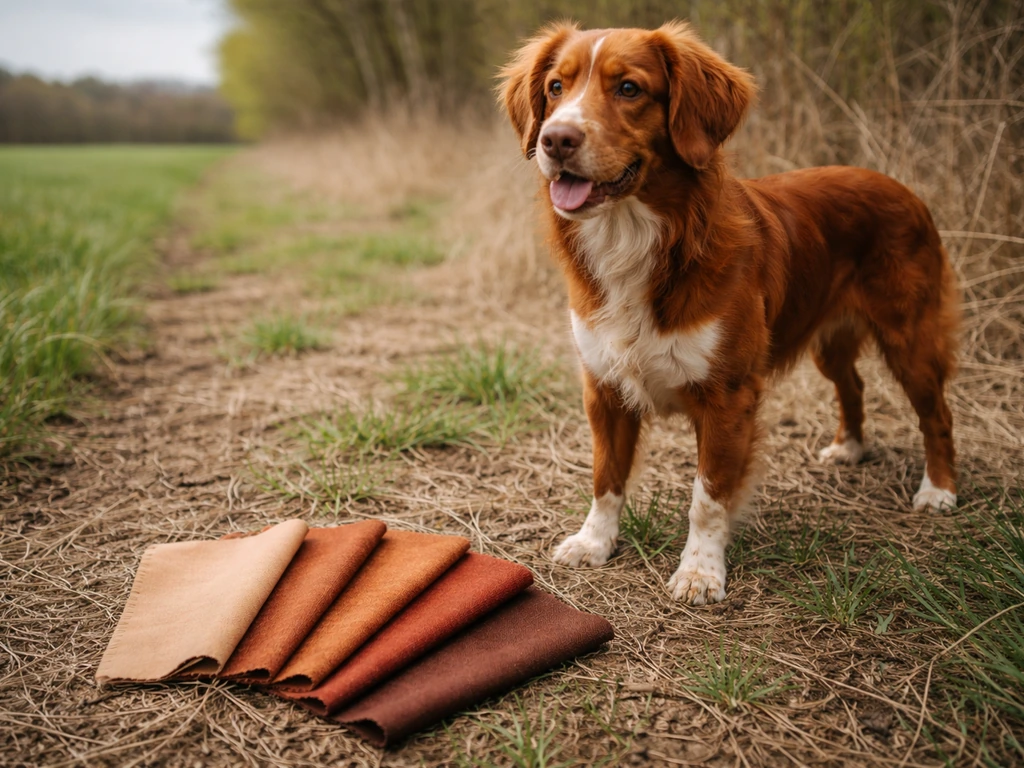
If the pure bird-name route feels too on-the-nose, you can go one step sideways and name from the bird's color palette or hunting context instead. The Northern Bobwhite has a plumage described by Cornell's All About Birds as intricately patterned in brown, rufous, buff, and black. A dog with that kind of ticked or roan coat could wear "Bobwhite" directly, or you could pull the color: Rufus, Buff, or Sable. The brant goose from Ducks Unlimited's field descriptions has a striking black-and-white contrast, black head and neck with a white necklace, that maps naturally to a black Lab with a white chest blaze.
- Russet or Rufus: for red-brown or Irish Setter coloring, named for the warm rufous tones of bobwhite and woodcock plumage
- Blaze: for a dog with a white facial stripe, echoing the field-mark vocabulary birders use
- Sage: neutral, earthy, and evokes upland habitat perfectly for a pheasant or grouse dog
- Marsh: for a waterfowl retriever that lives in the water; simple, one-syllable, and unmistakably a hunting name
- Brant or Branta: directly from the goose genus and species context; Brant (one syllable) is cleaner for training
- Ditto or Tiko: not bird names but field-nickname style that works if your dog already has a registered kennel name and needs a call name
- Cinder: for a dark-coated dog, echoing the black tones of teal, brant, and black duck plumage
- Pippa: not bird-derived but phonetically ideal (two syllables, ending vowel) and fits a lively flushing spaniel energy
For pointing dog owners specifically, names that carry a stillness or precision vibe work well because they match the dog's job description. Falcon, Flint, Brant, and Drake all have a held-breath quality. Retrieving dog owners tend to gravitate toward names with motion and water energy: Teal, Ripley, Rush, or Marsh. Neither approach is wrong. The name just shapes how the relationship feels every time you call it.
Say it out loud: the human-friendly test
This step trips people up more than any other, because names that look great on paper can fall apart the moment you yell them across a muddy field. There are three tests to run before you commit.
- The back-door yell test: Step outside, cup your hands, and call the name like you're recalling a dog from 60 yards in a crosswind. If it sounds garbled or you have to strain to project it, cross it off. Strong open vowels like "Teal!" or "Falco!" carry well. Soft endings like "Sparrow" can lose their ending in noise.
- The shortening test: Dogs often get a shortened version of their name in the field. Does your name shorten to something workable? Falcon becomes Falc or Fal. Mallard becomes Mal. Wren is already short. Bobwhite becomes Bob, which is perfectly fine but very human. Decide if you're comfortable with the shortened form, because that's what you'll actually be saying.
- The command confusion check: Say the name, then immediately say your top five training cues out loud: sit, stay, come, down, no. Does anything rhyme or start with the same sound? "Kit" and "sit" is the famous example. "Dale" and "stay" are close enough to cause hesitation. "Sage" and "stay" share a starting sound. Run the comparison before you fall in love with a name.
- The stranger test: Say the name to someone who hasn't heard it before and ask them to repeat it. If they get it wrong or hesitate, the name may be phonetically ambiguous in ways you've stopped hearing because you've been staring at it too long.
- The three-year test: Picture yourself calling this name 20 times a day, every day, for the next 12 to 15 years. Does it still feel good? Names you chose because they were clever sometimes wear thin. Names rooted in something real, like a bird you actually love or a color that genuinely matches the dog, tend to age better.
Your 10-minute shortlist and pick-the-best plan
Here's the plan for right now. Don't overthink it. Go through the steps below and you'll have a name by the time you finish your coffee.
- Write down five names that immediately appeal to you from the lists above. Don't filter yet. Just write.
- Cross off anything with more than three syllables. Cross off anything that rhymes with sit, stay, come, down, or no.
- Say each remaining name out loud in a firm recall voice. Cross off anything that feels awkward to project or ends with a muddy consonant cluster.
- Look at your dog. Match two or three names to what you actually see: coat color, energy, size, and hunting role. Cross off anything that doesn't fit.
- You should be at one or two names now. If you have two, flip a coin, say both names to the dog in the next 10 minutes (not as training, just casually), and notice which one the dog seems to track better. That's your name.
To make step one easier, here's a ready-to-use shortlist organized by category. Pick your column based on your dog's dominant trait and use it as your starting five.
| Serious / pointing dogs | Energetic / flushing dogs | Waterfowl retrievers | Appearance-based |
|---|---|---|---|
| Falcon | Wren | Brant | Rufus (red-brown) |
| Flint | Swift | Teal | Cinder (dark coat) |
| Kite | Quail | Drake | Blaze (white marking) |
| Sage | Pippa | Mallard | Buff (pale gold) |
| Brant | Sparrow | Marsh | Dapper (pied/ticked) |
Once you've picked one, start name-recognition training the same day. Say the name once, wait for the dog to orient toward you, and reward immediately. Keep sessions short, two to three minutes, and repeat three or four times a day. Within a week, the name will function as a reliable attention cue, and you can start layering your hunting commands on top of it. That's the whole game. Get the foundation right, and everything else builds cleanly.
If you find yourself down a rabbit hole of bird names more broadly, it's worth knowing there's a lot of interesting linguistic territory in this space. If you're also hunting for general inspiration beyond bird-dog specifics, this overlaps nicely with top bird names that people use in everyday settings. If you are also wondering why does golf use bird names, the same idea about bird symbolism and easy-to-say cues often comes up. The question of which bird names are changing (several North American species are being renamed right now to remove eponyms) touches on some of the same etymology questions that make names like Mallard or Falcon so satisfying: they're rooted in real language history, not just aesthetics. And if you're a sports fan layering that interest in, the long tradition of NFL and MLB teams using bird names as their brand identity shows just how culturally powerful bird imagery really is. If you’re wondering how many MLB teams have bird names, it’s the same kind of brand identity that shows up across pro sports NFL and MLB teams using bird names. Your dog is in good company.
FAQ
What if I already picked a name, but it sounds a lot like “sit” or “no” when I say it fast?
Do a speed test, say the name and the related cue back to back ten times in the same tone you would use in the field. If your mouth timing feels similar or your dog hesitates between them, swap now. Changing early is easier than fixing confusion later, especially before you start layering recall and force-fetch style cues.
Can I give my bird dog a longer name, like three syllables, and still train effectively?
You can, but plan for a short, consistent nickname. Use the short version for all training and field calling, keep the longer name for home or paperwork, and never mix both in the same session. This prevents the dog from treating it like two different attention signals.
Is it better to choose a name that matches the dog’s color, or should I prioritize the dog’s personality and movement?
Prioritize what you will call reliably in noise. Color-based names are memorable, but movement and temperament-based names tend to fit your daily calling pattern (for example, “Rush” for a dog that always is moving toward you). A practical approach is to pick the top two candidates, then test which one your dog orients to faster during short, quiet name-recognition trials.
How do I train name recognition if my dog already responds to a different name?
Run a short blackout phase for the old name, stop using it entirely, then introduce the new name with immediate reward. Keep the first week strict so the dog only ever gets reinforcement for the new sound. If the dog has a strong habit from prior homes, expect a few extra repetitions, but consistency usually wins.
What rewards work best for the first week of name-recognition training?
Use something high-value and instant, small treats your dog can swallow quickly, or a consistent toy reward if food can’t compete with the dog’s drive. Reward within one second of the dog orienting, then reset. If you delay even a little, the dog may start “waiting you out” instead of locking in on the sound.
Should I correct the dog when it does not respond to the name?
No, not at first. For name recognition, you want the dog to learn that responding turns into something good. If there is no response, reduce distance or distractions, repeat once, and reward any correct orientation. Save corrections for later cue training once you have reliable name attention.
Can two dogs in the same household share bird dog names that sound similar?
Avoid it if possible. If one dog’s name rhymes with or heavily resembles the other dog’s name, your household becomes a built-in distraction during training. If you must, make the names clearly different in length and sound, for example one ends in a strong open vowel and the other ends with a consonant, then keep separate reward routines during practice.
Do I need to change my tone or volume when calling the bird dog’s name?
Use a consistent “call” tone every time, slightly brighter than neutral conversation, and call the name at a similar volume each session. Dogs learn the sound pattern, not just the word, so if you alternate between whispering and shouting, you add variability. In field conditions, your volume will rise anyway, but keep training consistent first.
What are the best next steps after the name cue is reliable within a week?
Start pairing the name with one command at a time, for example name, pause, then the first recall cue, and reward for the correct action. Do not introduce multiple cues on the same rep. Once the dog responds correctly, increase distractions gradually, so the name stays the reliable “stop and look” trigger before any next command.
Next Article
Good Names for a Dodo Bird: Ideas and How to Pick
Cute, funny and elegant dodo bird names plus how to pick one, with language meanings for flightless island vibes.