
Albania is the country named after a bird. Albanians call their own country Shqipëria, which translates roughly as 'land of the eagles,' rooted in the Albanian word shqiponjë, meaning eagle. So while the English name Albania comes from a Medieval Latin form, the native name of the country is literally built on a word for eagle. That bird connection is real, meaningful, and centuries old.
What Country Is Named After a Bird? Name Origin Explained

Maya Castellanos
22 May 2026
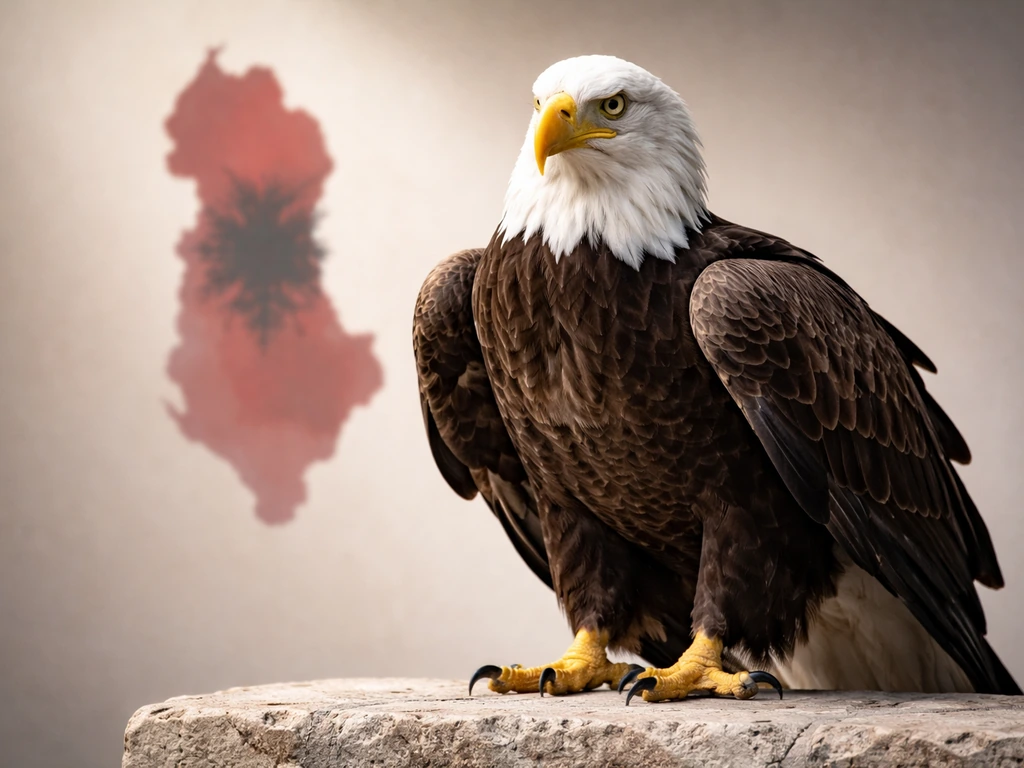
The country and the bird connection at a glance
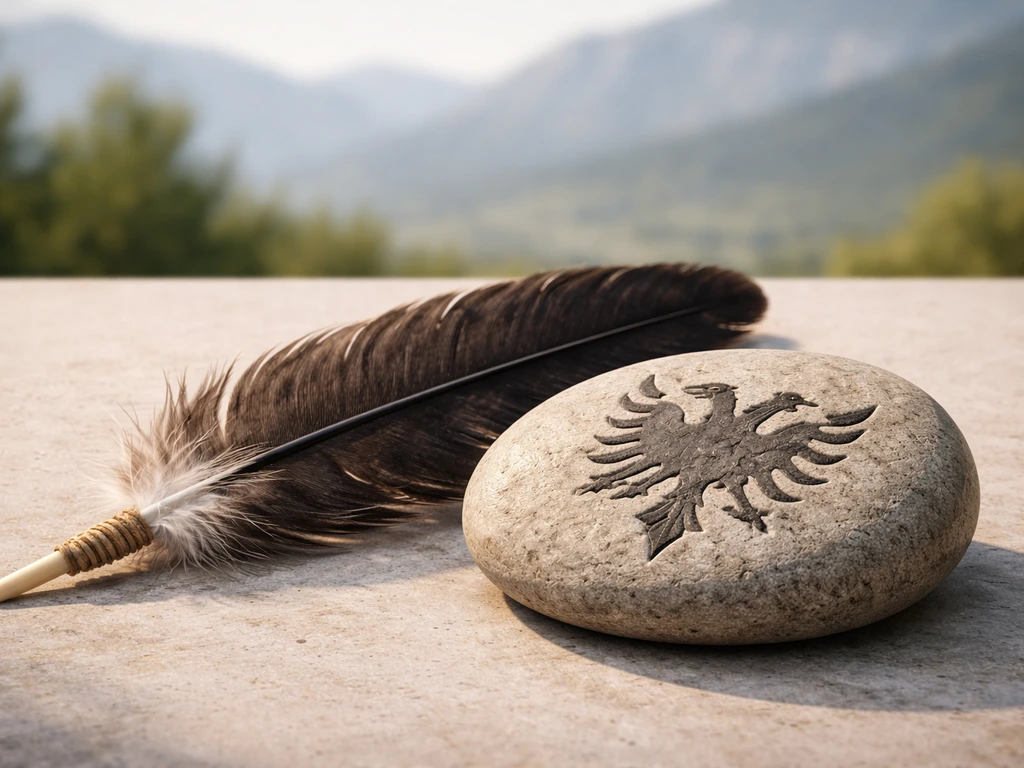
When people ask this question, they usually expect a short, punchy answer: one country, one bird. Albania delivers that. The country's own name in the Albanian language, Shqipëria, is widely understood to mean 'land of the eagles.' The people call themselves Shqiptarë, which follows the same root. The double-headed eagle on the Albanian flag is not a coincidence, it reflects the same identity that the name expresses.
It is worth being clear about one thing: the English name Albania does not itself come from the bird word. Albania is a Medieval Latin label applied by outsiders. The bird etymology lives inside the Albanian language, in the word Shqipëria. That distinction matters when you are trying to verify the link rather than just repeat it.
What bird word is actually involved
The bird in question is the eagle, specifically rendered in Albanian as shqiponjë (you will also see the shorter form shqipe). The Albanian name for the country, Shqipëria, and the ethnonym Shqiptar are both traditionally traced back to this root. Etymonline summarizes it neatly: Albania is the Medieval Latin name for a country the inhabitants themselves call Shqipëri, 'literally land of eagles, from shqiponje eagle.'
So the bird word that matters here is shqiponjë. Not 'albatross,' not any Latin or Greek bird term, an eagle word from the Albanian language itself. Keep that in mind because it is easy to assume the connection lives in a European language rather than in the local tongue.
How the name evolved: the linguistic pathway

The words Shqipëri and Shqiptar are attested from the 14th century onward in historical sources. However, those terms did not fully replace older ethnonyms and place-names among Albanian speakers until the late 17th and early 18th centuries, a gradual shift that shows how place-name origins can take generations to solidify. By the time you reach modern usage, Shqipëria is firmly the Albanian self-designation, carrying the eagle meaning with it.
The proposed pathway looks like this: the Albanian root word shqipe or shqiponjë (eagle) feeds into the adjective shqip, which then underpins both Shqiptar (Albanian person) and Shqipëria (Albania, the country). Wiktionary's entry for Shqipëri traces the eagle-related root and also notes historical dialect variants like Shkypënia, which illustrates how the spelling and pronunciation evolved across regions before stabilizing.
It is worth being honest that scholars debate whether this etymology is the true origin or a folk etymology that became attached to the name over time. Wikipedia's entry on the Names of the Albanians and Albania presents at least two competing theories for Shqiptar and Shqipëria, the eagle derivation being the most popular and widely cited, the other connecting shqip to 'to speak clearly' or related ideas. The eagle story is compelling and well-supported in popular tradition, but linguists treat it with some caution. That nuance does not erase the connection; it just means you should not present it as a completely settled case if accuracy matters to you.
Common mix-ups and how to sort them out
A few other countries come up when people search this question, and it is easy to see why. Here is how each one actually shakes out:
| Country | Bird connection claim | Reality |
|---|---|---|
| Albania (Shqipëria) | Named after the eagle (shqiponjë) | Supported — this is the correct answer |
| New Zealand (nicknamed Kiwi) | Named after the kiwi bird | Reversed — 'Kiwi' is a nickname for New Zealanders from the bird, not the country name itself |
| Turkey | Country named after the turkey bird | Reversed — the bird was named after the country, not the other way around |
| Guinea | Named after a bird (guinea fowl)? | No — Guinea comes from Portuguese Guiné, unrelated to any bird word |
Turkey is probably the most famous confusion here. blank" rel="noopener noreferrer">The bird turkey gets its English name from the country Turkey (through a complicated trade-route mix-up involving guinea fowl and European merchants), not the reverse. So Turkey is a country that gave its name to a bird, which is the opposite of what the question asks. The naming history of the turkey bird is genuinely fascinating, and worth exploring separately if that rabbit hole interests you.
New Zealand is interesting because Kiwi really is a bird-derived identity term. Etymonline’s kiwi entry likewise treats kiwi as the fruit used in the U. S. from around 1966, and it addresses the bird/term history separately rather than supporting a country-name derivation for New Zealand [Kiwi really is a bird-derived identity term](https://www.
etymonline. com/word/kiwi). New Zealanders have been called Kiwis since the 19th century, and they embraced it. But the country's actual name, New Zealand, has nothing to do with the kiwi bird, it comes from the Dutch province of Zeeland.
The kiwi word itself comes from Māori and is thought to be imitative of the bird's call. ) So New Zealand is a country with a bird-based nickname, not a country with a bird-based name.
Ecuador is another occasional guess, probably because people assume it might have a bird story. It does not, Etymonline ties Ecuador directly to Medieval Latin aequator, meaning 'equalizer of day and night,' referencing the equator. No birds involved.
How to verify a bird-country etymology yourself
Whenever you encounter a country-name-meets-bird claim, the method for checking it is pretty consistent. Here is what I actually do when I want to confirm or debunk one of these connections:
- Start with Etymonline (etymonline.com) and search the country name in English. It will usually give you the Medieval Latin or Old French root and flag whether any bird word is involved.
- Then look up the country's native-language name. In Albania's case, that means searching Shqipëria rather than Albania. Wiktionary is genuinely useful for this step because it handles non-English etymologies well.
- Check Wikipedia's page specifically titled 'Names of [Country]' — these pages collect scholarly debate about ethnonyms and place-names in one place, including competing theories.
- Look for historical attestations. If a name is supposed to come from a bird word, you want to see evidence that the bird-word form appeared before or alongside the place-name form, not centuries after.
- Cross-check the bird word itself. If the claim is that Country X is named after Bird Y, find the etymology of Bird Y in the relevant language. Do the roots actually match? With Albania and shqiponjë, they do — and the double-headed eagle on the flag reinforces the cultural embedding of that identity.
- Watch for reversal errors. The question 'what country is named after a bird' has a different answer than 'what bird is named after a country.' Turkey is the classic reversal trap. Always confirm which direction the naming went.
Where to go next for bird-name etymology
If this kind of bird-language crossover is your thing, there is a lot more territory to explore. The story of how the turkey bird got its name is one of my favorites, it involves a genuinely confused chain of European trade, mistaken geography, and guinea fowl that somehow ended up lending their name to a completely different American bird.
The story of how the bird turkey got its English name is a great example of how names can shift through trade and geography. The kiwi fruit's naming history runs through similar territory, with the bird coming first and the food borrowing the name for commercial reasons in the 1960s.
You may also find it helps to ask whether the kiwi fruit is named after the bird, because that is the key direction in the story kiwi fruit's naming history. These cases show how bird names ripple outward into culture, commerce, and even national identity.
For etymology research specifically, Etymonline is your best quick-reference tool for English-language word histories. For deeper dives into non-English roots, Wiktionary's reconstruction pages and etymology sections are surprisingly thorough. For country names in particular, the Wikipedia 'Names of...' series pages are underrated, they compile linguistic scholarship in an accessible format. And if you want the cultural side of how birds become embedded in national identity (flags, nicknames, folklore), encyclopedias like Britannica often have the background context that pure etymology sources skip.
The short version: Albania is your answer, Shqipëria is the form that carries the eagle meaning, and shqiponjë is the bird word at the root of it all. A related example of an old-fashioned bird name is the throstle, an older term for a small songbird (often referring to the song thrush). Everything else, Turkey, New Zealand, Guinea, either reverses the direction of naming or has no bird connection at all. Chicken is a good example of how English names can come from different roots entirely, which helps explain why you hear “tuna fish” but not “chicken bird.” Turkey, New Zealand, Guinea.
FAQ
How do I know whether a country name is truly derived from a bird, rather than just sounding similar?
Check the direction of naming. If the English country name comes from a different language but the native self-name has the bird root, the bird link is real and internal (like Shqipëria and shqiponjë). If the bird’s name is borrowed from the country instead, the relationship runs the other way (as with Turkey and the bird turkey).
Is Shqipëria the official language term for the country in Albanian, or just a poetic nickname?
Shqipëria is the country name used by Albanian speakers as a standard designation, not merely a nickname. The eagle meaning is tied to the root that also appears in how Albanians refer to themselves (Shqiptarë).
Why do some people say the bird connection is uncertain if Shqipëria is so well-known as “land of the eagles”?
Some linguists treat the eagle derivation as the most popular account, but they also discuss alternative roots for the Shqiptar and Shqipëria family, such as connections to words meaning “to speak clearly.” If you need strict accuracy, present the eagle story as widely cited rather than a single universally settled fact.
Does the Albanian eagle word refer to all eagles, or is it specific in meaning?
The root word is shqiponjë, which is used for “eagle.” You may also see the shorter form shqipe, but the country name is linked specifically to the shqiponjë root concept in most mainstream explanations.
Could another bird-related country name exist in a different language, even if the English name does not match?
Yes. Many countries have different exonyms and endonyms, so bird roots can show up in the local name even when the English label has a separate origin. The article’s Albania example is a case where the English form is not the bird-derived part, but the native term is.
What’s the best way to verify a “country named after a bird” claim without falling for folk etymologies?
Look for dated attestations (when the terms first appear in records) and compare competing etymological proposals. Also confirm whether the claim explains the native endonym, the ethnonym, or only an English nickname, because folk theories often attach to the most familiar form.
Do any of the commonly mentioned alternatives, like Ecuador, actually have bird etymologies?
Not in the usual sense people expect. For Ecuador, the standard explanation connects the name to Medieval Latin terms related to the equator, not to any bird-related root.
Why does this question sometimes pull up kiwi and New Zealand?
Kiwi is a bird-derived identity nickname for New Zealanders, used since the 19th century, but the country name “New Zealand” comes from the Dutch province of Zeeland. So New Zealand has a bird-based nickname, not a bird-based country name.
If I’m writing a quiz or trivia question, how should I phrase it to avoid being technically wrong?
Use a formulation like, “Which country’s native name is built on a word meaning ‘eagle’?” rather than “named after a bird” in the English sense. That phrasing aligns with the distinction that Albania’s English name is not itself bird-derived, but Shqipëria is.