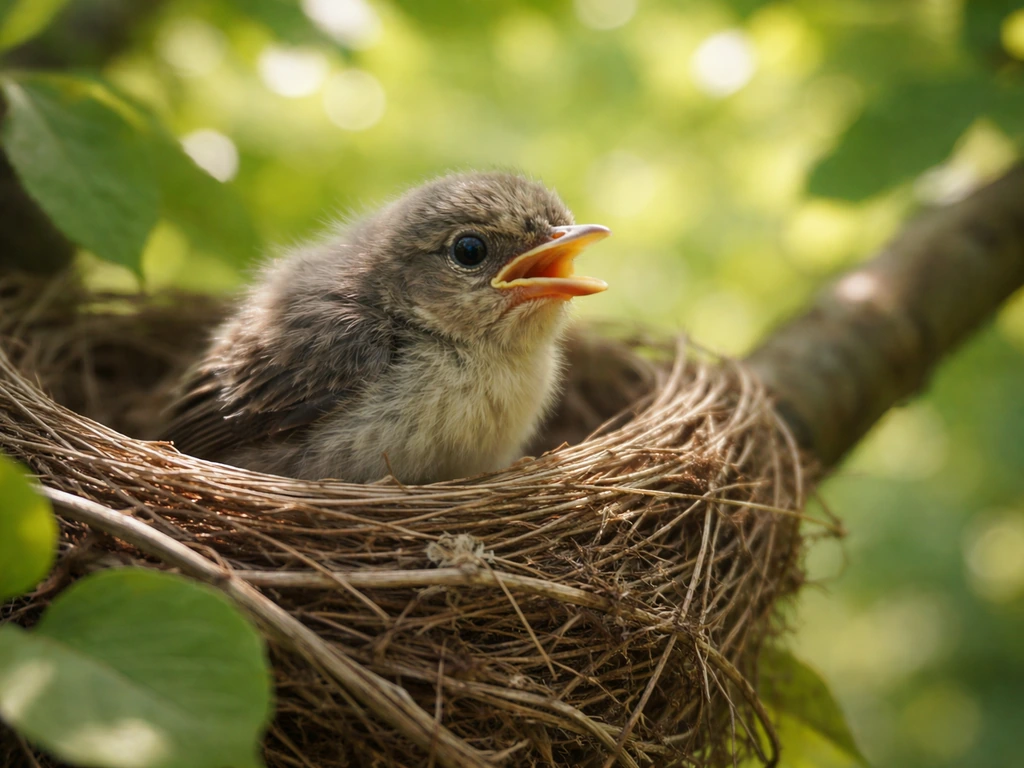
A female bird is most commonly called a "hen." That single word covers the broadest ground in everyday English, and every major dictionary from Merriam-Webster to Cambridge confirms it: a hen is "the female of any bird," not just a chicken. So if someone asks what a female bird is called and you say "hen," you are technically correct for nearly any species on the planet. That said, the more specific you get about the species, the more precise (and sometimes very different) the vocabulary becomes.
Female bird is called what Find the right term for any species

Maya Castellanos
20 May 2026
Why "hen" works as the general answer
The word "hen" has been in English since before the 12th century. Its roots are Old English (henn), closely related to Dutch hen and German Henne. Originally it likely referred specifically to chickens, but the meaning expanded early on to cover the female of any gallinaceous (ground-dwelling, chicken-like) bird and eventually any bird at all. That broad definition is why you will see it used confidently in wildlife guides, birdwatching field notes, and conservation materials for everything from ducks to grouse to raptors.
There is no equivalent single word in everyday English that does the same job for males across all species (the word "cock" exists but carries too much baggage in modern American English to be universally comfortable), which is one reason "hen" has such staying power as the default female-bird term. In everyday English, a male bird is most often called a cock, though some species use different terms. When in doubt, hen is your safe, universally understood answer.
How the term shifts depending on the species
Here is where things get interesting. While "hen" is technically correct for any female bird, many species groups have their own preferred or traditional female names that feel more natural to people who work with those birds. Using the wrong term in a specialist context can make you sound like an outsider, so it is worth knowing the most common deviations.
Ducks are a great example of this split. In everyday speech, people tend to say "a female duck" or even just "a duck" when they see a brown, mottled bird sitting on a nest, because the word "duck" itself defaults to female in casual use. Wikipedia's entry on ducks puts it plainly: a male is called a drake and the female is called a duck in everyday language, but "hen" in ornithological terminology. So the same animal has two different accepted female labels depending on your audience.
Gamebirds like ruffed grouse follow a different pattern. Wildlife agencies and hunters consistently use "hen grouse" or simply "hen" for the female, paired with "cock" for the male. The hen harrier, a medium-sized raptor found across Europe and North America, has the word baked right into its common name, a nod to how thoroughly "hen" became attached to female birds in the English-speaking tradition.
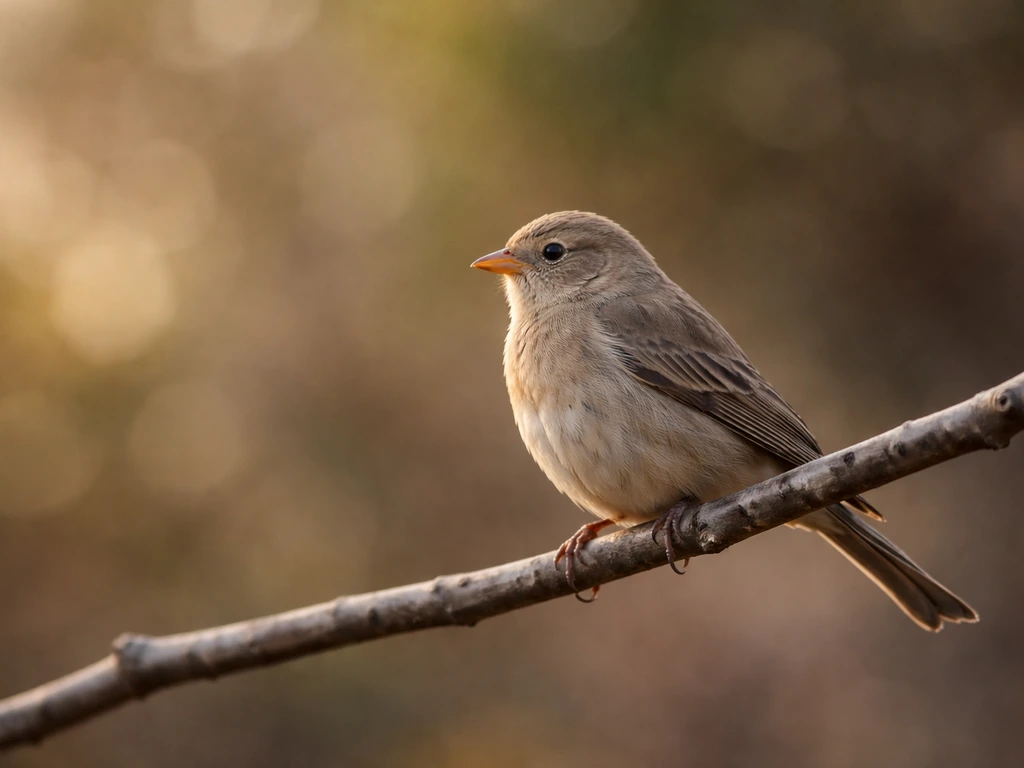
For songbirds like the American robin, there is no special everyday term for the female at all. Ornithologists and birdwatchers simply say "female robin" or "the female." The sex distinction matters for identification (the female has a paler breast and less vivid coloring than the male), but the English language never bothered to give her a dedicated noun. This is the pattern for the majority of songbird species.
The paired gender nouns you actually need to know
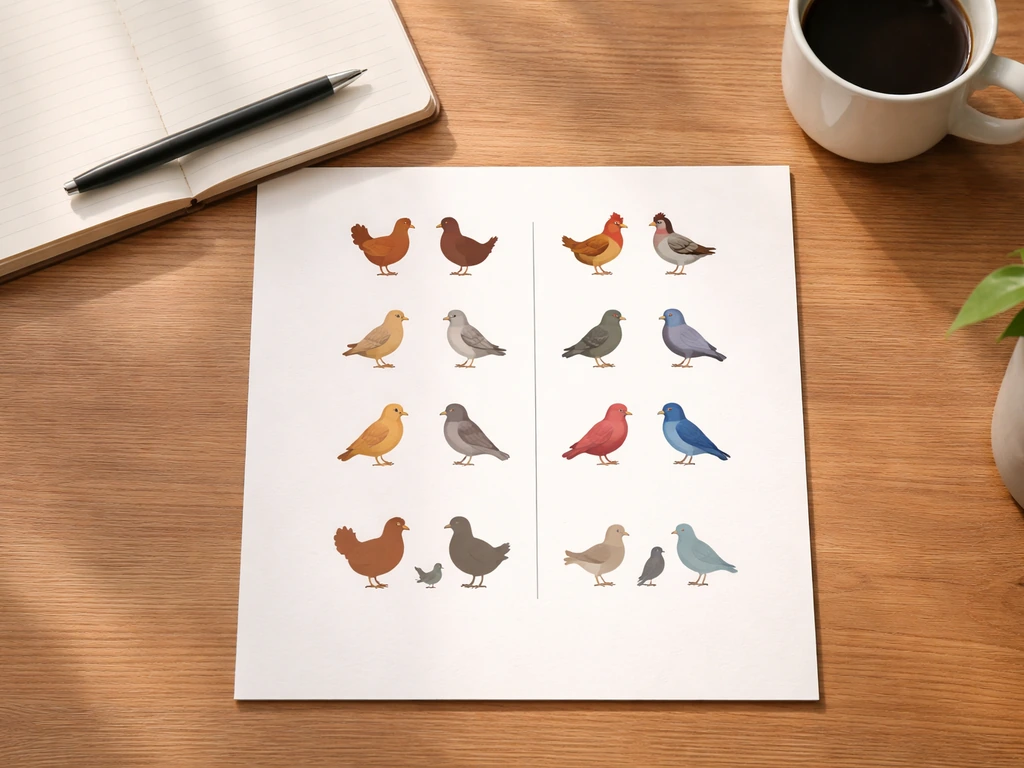
English loves giving animals gendered noun pairs, and birds are no exception, though the pairings are inconsistent across species groups. Below are the most commonly used male/female pairs you will encounter in bird talk. Think of these as the vocabulary a gamekeeper, birder, or poultry keeper would actually use.
| Bird Group | Female Term | Male Term |
|---|---|---|
| Chicken (domestic) | Hen | Rooster (or Cock) |
| Duck | Hen (ornithology) / Duck (casual) | Drake |
| Goose | Goose | Gander |
| Turkey | Hen | Tom (or Gobbler) |
| Peacock / Peafowl | Peahen | Peacock |
| Ruffed Grouse | Hen | Cock |
| Falcon / Hawk (falconry) | Falcon / Hen | Tiercel |
| Songbirds (general) | Female [species name] | Male [species name] |
A few of these deserve a quick note. Peafowl is one of the cleaner examples because the female has her own distinct common name, peahen, built from the same root as peacock. Geese work differently from ducks: the word "goose" itself is the female term, and "gander" is the male, which is the opposite of how ducks work. In falconry, the female hawk or falcon is traditionally called simply "the falcon" (the larger bird, which females almost always are in raptors), while the male is the tiercel, from the Latin for "one-third" because males are about a third smaller.
Scientific and technical language versus everyday names
In formal ornithology, sex is described in biological terms rather than folk vocabulary. Female birds are the heterogametic sex, meaning they carry two different sex chromosomes: Z and W. Males carry two identical chromosomes (ZZ). This is the reverse of the mammal system (where females are XX and males are XY), which trips people up when they first encounter it. You will see this ZW/ZZ system referenced in genetics papers, veterinary records, and avian biology textbooks, but almost never in a field guide or birdwatching app.
In scientific species descriptions, researchers do not use "hen" or any vernacular term. They refer to "female specimens," "adult females," or use the sex symbols (the female symbol for female, male symbol for male). Scientific names (genus and species in Latin) are entirely sex-neutral: Anas platyrhynchos is the mallard regardless of whether the individual is a drake or a hen. The gendered vocabulary only appears in the common-name layer of language, not the taxonomic layer.
Everyday birdwatching sits in the middle. A field guide will say "female" routinely, occasionally use "hen" for species groups where the word is conventional (ducks, grouse, turkeys), and almost never use "cock" in modern American publications because of its double meaning. British publications are more comfortable with cock/hen as a pair. So the register you are reading or writing for should guide your word choice.
Finding the right word for your specific bird, especially if it's a pet
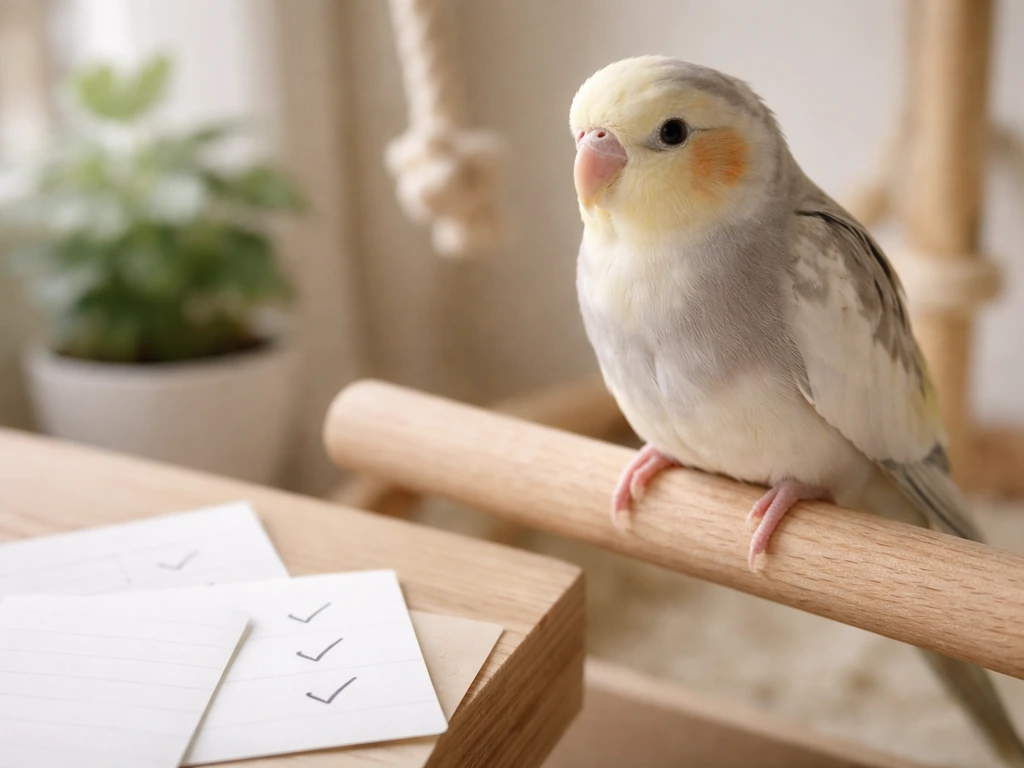
If you have a pet bird and you want to know what the female of that species is properly called, or you want to confirm whether your bird is female in the first place, the approach depends heavily on the species. Petco’s vet-run bird Q&A also walks through how you can tell whether a lovebird is male or female using common pet-terminology signs whether your bird is female. Here is a practical workflow.
- Start with the general term: call her a "hen" if you need a quick, universally understood answer. This works in conversation for any species.
- Check species-specific guides: for ducks, geese, turkeys, peafowl, and gamebirds, look up the traditional paired terms (see the table above). These are the words you will encounter in breed registries, husbandry guides, and birding forums.
- For songbirds, parrots, and most pet species: just say "female" followed by the species name. There is no special noun. A female cockatiel is a female cockatiel.
- To confirm the sex of a pet bird: look for physical cues first. With budgerigars (budgies), cere color is the most reliable visual indicator: adult males typically have a blue cere, while adult females have a brownish-pink or tan cere. For lovebirds, visual sexing is much harder since most species show little outward difference between sexes.
- When visual cues are not enough: a veterinarian can confirm sex through feather sampling for DNA analysis, which is the most accurate and least invasive method available for most pet species.
For pet naming purposes, the sex of the bird mostly matters for behavioral context (egg-laying patterns, hormonal behavior, compatibility with a paired bird) rather than for what label you use day to day. Most pet owners simply pick a name they love regardless of grammatical gender, and that is completely fine. But if you are filling in a veterinary intake form or talking to a breeder, knowing whether to say "hen" or "female" for your specific species will make the conversation go more smoothly.
Quick-reference examples across common species
To pull everything together, here is a fast lookup covering the female terms you are most likely to need. This covers both the everyday word people actually use and the more formal/ornithological alternative where one exists. The poultry vocabulary sheet defines “HEN” as a mature female chicken and pairs it with “ROOSTER” as the male term for beginner naming conventions female terms you are most likely to need.
| Species | Everyday Female Term | Formal / Ornithological Term | Notes |
|---|---|---|---|
| Chicken | Hen | Hen (same) | "Hen" originates here culturally, even though it applies to all birds |
| Mallard / Duck | Duck | Hen | "Duck" defaults to female in casual speech; "hen" in ornithology |
| Goose | Goose | Female goose | "Goose" is already the female form; male is gander |
| Turkey | Hen | Hen (same) | Tom or gobbler for the male |
| Peafowl | Peahen | Peahen (same) | One of the few species with a fully separate female common name |
| Ruffed Grouse | Hen | Hen (same) | Cock/hen pairing standard in gamebird contexts |
| American Robin | Female robin | Female (adult) | No dedicated folk noun; described by sex + species name |
| Budgerigar (Budgie) | Hen or female budgie | Female (adult) | Cere color helps distinguish: brownish-pink = female |
| Cockatiel | Female cockatiel | Female (adult) | Some color mutations make visual sexing difficult |
| Lovebird | Female lovebird | Female (adult) | DNA testing often needed for reliable sexing |
| Hawk / Falcon (falconry) | Falcon (the larger bird) | Female (adult) | Tiercel = male in falconry terminology |
The pattern that emerges is pretty consistent: domesticated and game birds tend to have established folk nouns (hen, peahen, goose), while wild songbirds and most pet parrots and hookbills just get "female" plus the species name. If you remember nothing else, remember that "hen" is the safe, correct, general answer, and that the word has been doing this job in English for over a thousand years.
A note on related bird vocabulary
If you are building out your bird vocabulary, the female question connects naturally to several others worth exploring. The male bird side of this topic has its own set of interesting paired terms and historical quirks. Young birds bring in an entirely different set of words: chick, fledgling, nestling, and more species-specific terms like cygnet (young swan) or gosling (young goose). The term “young bird is called” can refer to different names depending on how old the bird is and whether it has left the nest. And the question of what to call a bird's home, or how to describe a small bird versus a large one, each opens up their own linguistic rabbit holes. If you are also wondering how to describe a small bird by name, that vocabulary shifts again depending on the size and species. If you are wondering about that, the home of a bird is called a nest a bird's home. Bird naming is one of those corners of English where folk tradition, hunting culture, falconry, and modern science all left their fingerprints, and the result is wonderfully inconsistent in the best possible way.
FAQ
Is “hen” always the right word for any female bird, even in wildlife or birdwatching contexts?
Not in the general sense. “Hen” is a common, widely understood everyday term for the female of many bird types, but in many groups people prefer “female” plus the species name in everyday talk (especially songbirds). If you want to match how bird guides and birders actually write, default to “female + species” unless the species has a well-known folk term (like “peahen” or “gander/goose”).
Why do bird guides avoid saying “cock” in some places?
Yes, especially for readers in American English. “Cock” is sometimes used as the male pair to “hen” in UK usage, but in modern American publications “cock” can be read as slang for the male chicken, or as a sexual term, which is why many US field guides avoid it except in clearly poultry or traditional contexts. If you are writing for an American audience, stick to “male” or the species-specific male term.
Are there species where the male and female labels do not follow the hen/cock idea?
For some species pairs it flips. A classic example is geese, where “goose” is the female and “gander” is the male (opposite of ducks, where the male is a “drake” and the female is “a duck” in everyday speech). If you are unsure, do not rely on the hen/cock pattern, check the species-specific pair.
When should I use “adult female” instead of “hen”?
Sometimes, but it depends on the context. “Hen” can mean a female bird by itself in casual conversation or in certain species groups, but scientific descriptions, veterinary notes, and many modern field-guide entries prefer “female” (or “adult female”) to avoid ambiguity across species. If you are entering information into a form, use the category the form asks for, often “female” rather than “hen.”
What is the difference between calling her “hen” versus just saying “female”?
“Female” refers to biological sex in bird talk, while “hen” is a vernacular label used in everyday English and some ornithological usage depending on the species. In practice, “hen” is a safe shortcut for many common species, but if the bird’s sex is known from a test or documentation, “female” is more precise and less likely to confuse readers.
Does “hen” work for baby birds too?
Yes. For game birds and some domestic or semi-domestic birds, folk terms usually assume adult birds, so “hen” may not be the best label for juveniles. For young birds, English often switches to age-based terms (for example, “chick” in poultry contexts) rather than sex-based ones. When you are describing a baby bird, use the appropriate age term and only apply sex labels when the bird is old enough to be reliably described as such.
If I can’t tell by appearance, can I still call her “hen”?
Often, but with an important caveat. Many species have different plumage between sexes, but some females look similar to males, and some juveniles look like either sex. For reliable sexing in pet or breeding settings, use veterinary sexing methods (behavior can also be misleading). Language then follows the biological result.
Does the best term for a female bird change depending on whether I’m writing in US or UK English?
Bird naming conventions differ by register and region. UK English often uses “cock/hen” as a pair more readily, while American English may prefer “male/female” or species-specific terms to avoid misunderstanding. When you are following a style guide, match the register you are reading or writing for.
What should I write on veterinary or breeder forms for the female of my species?
When the species is a domestic bird, “hen” may be accepted shorthand, but some owners and breeders prefer “female” for clarity, especially for non-chicken species (like ducks) where everyday English can differ from ornithology. For pet paperwork, the safest approach is to use “female” plus the species name unless the form explicitly accepts “hen.”
Which common birds have a distinct everyday female name instead of “female + species”?
Yes, for peafowl the female is commonly called a “peahen,” and for geese the female is “goose.” These species are worth memorizing because they break the pattern people expect from chickens and ducks. For everything else, if there is no widely used folk noun for the female in that species group, “female + species” is usually the most widely understood choice.
Next Article
Young Bird Is Called What: Chick, Nestling, Fledgling
Learn what a young bird is called: chick, nestling, or fledgling, based on its life stage and nest status.