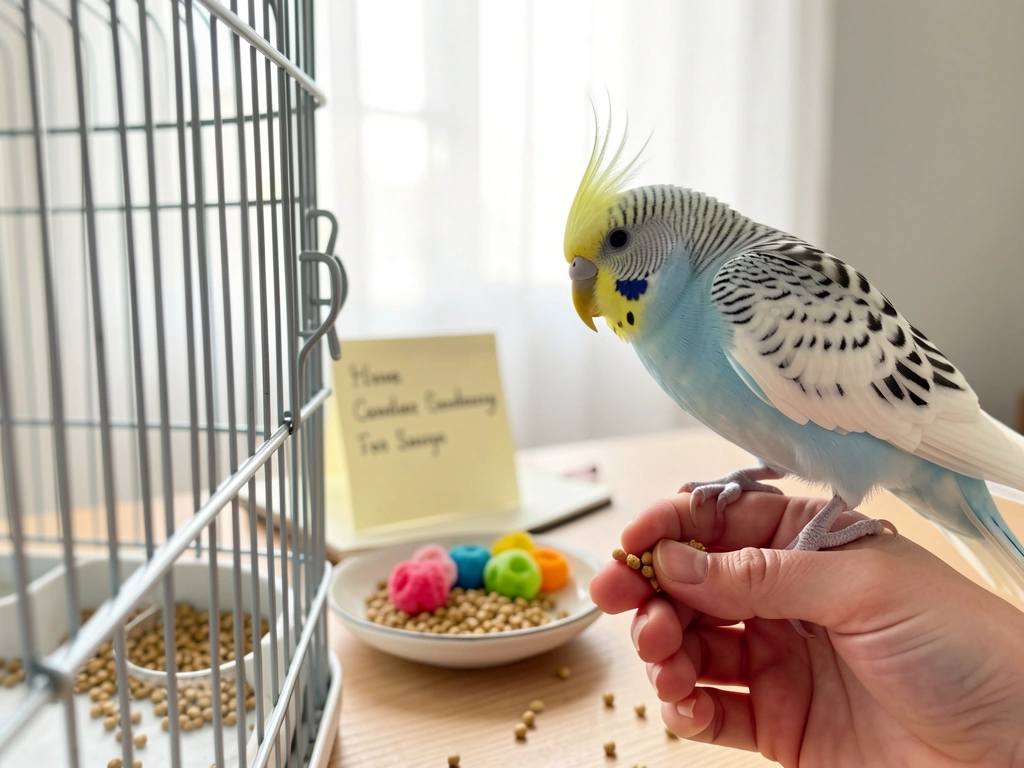
A good bird name is short, distinct, ends on a strong vowel sound, and fits the actual bird in front of you — not some imaginary bird you planned to get. That's the core of it. If you want the quick answer: names like Kiwi, Mango, Rio, Pip, Luna, Coco, and Sunny hit almost every practical criteria for a great bird name. But if you want to find the one that actually clicks for your specific bird, read on — because the best name is the one your bird will actually respond to, and that depends on a few things worth knowing.
Good Name for a Bird: Best Options and How to Pick

Maya Castellanos
22 Mar 2026
Quick rules for choosing a great bird name
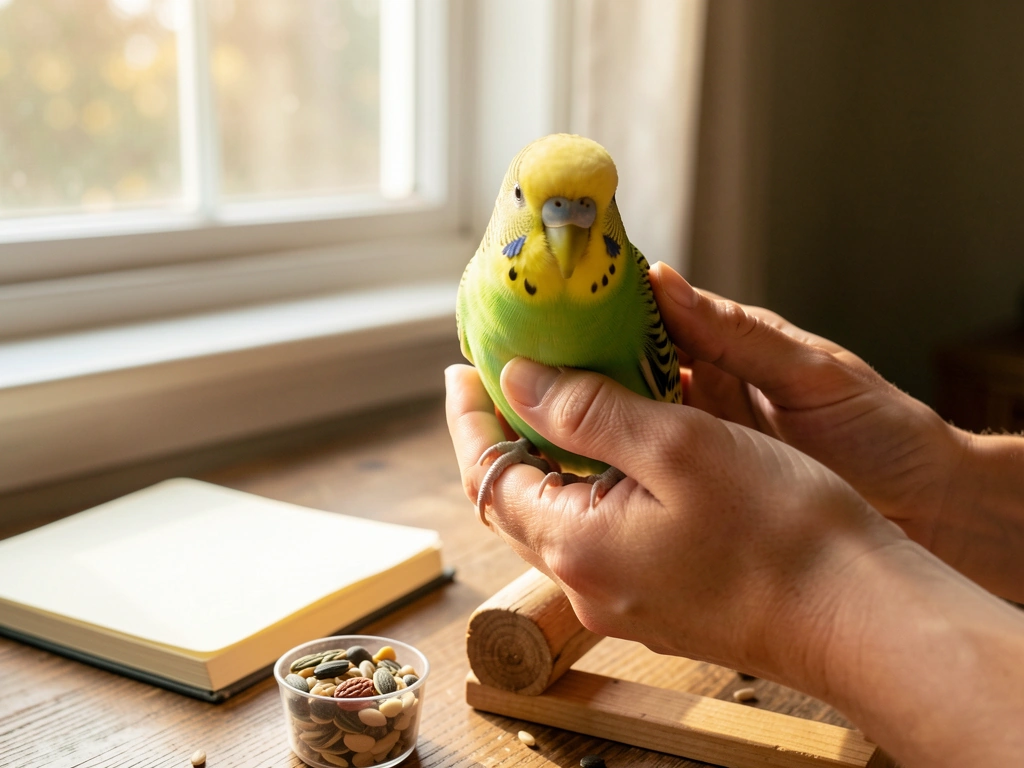
Before you dive into name lists, it helps to know what makes a name work in practice. Birds are not dogs — they're highly social, vocally attuned animals that pick up on sound patterns in their environment. Cornell Lab research on wild parrots shows they actually learn to recognize individual names through repeated social listening. That means the name you choose will literally shape how your bird categorizes sounds in their world. Here's what to keep in mind:
- Keep it to 1–2 syllables. Short names are dramatically easier for birds to discriminate, repeat, and respond to. Training guides consistently recommend this as the single most practical rule.
- End on a vowel or a bright vowel sound. Names like Mango, Kiwi, Coco, Sunny, or Rio have open, loud endings that land clearly on a bird's ear. That trailing vowel carries.
- Avoid names that sound like common commands or household words. If you say 'no' a lot and your bird's name is 'Mo,' you're going to have problems. Same with names that rhyme with 'step,' 'stay,' or 'come.'
- Make it easy to say consistently. You'll say this name hundreds of times. If it's awkward to pronounce quickly or cheerfully, you won't say it the same way twice — and consistency is everything in training.
- Fit the name to the bird you actually have, not the bird you imagined. Personality, coloring, size, and quirks all matter. A tiny, shrieking parakeet named 'Duke' is funny but it might not feel right after a year.
- Say it out loud several times before committing. It should feel natural at full volume, in a happy tone, across the room.
Name ideas by bird personality and type
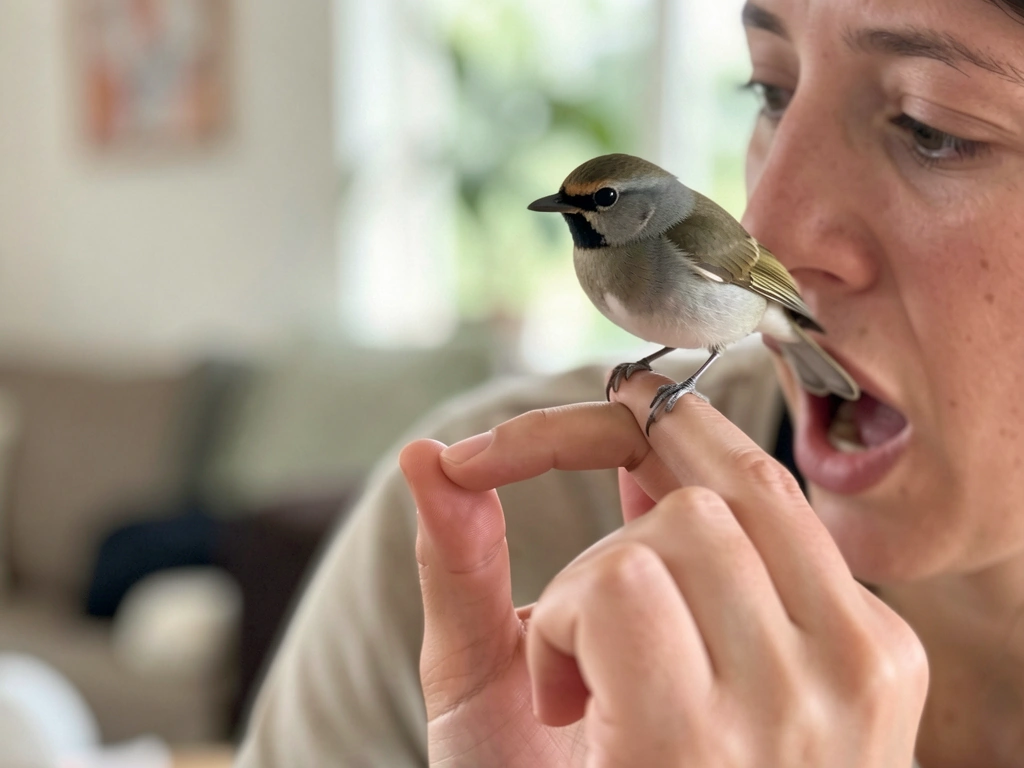
The best approach to a name list isn't to scroll through 500 options and hope something jumps out. It's to figure out what kind of bird you have, then narrow from there. Here's a breakdown by personality and vibe, with names that genuinely fit each one.
Cute and sweet birds
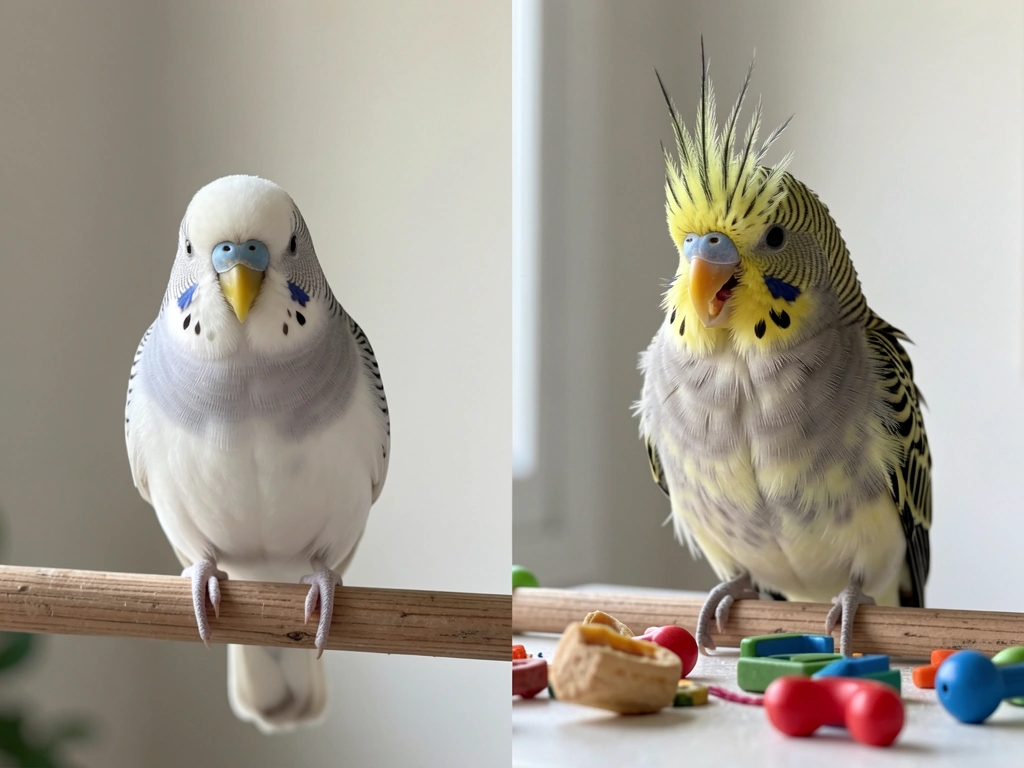
These names work well for small, gentle birds — budgies, lovebirds, and soft-natured cockatiels especially.
- Peanut
- Pip
- Biscuit
- Mochi
- Dewdrop
- Jellybean
- Buttons
- Pudding
- Peaches
- Nibble
Funny and chaotic birds
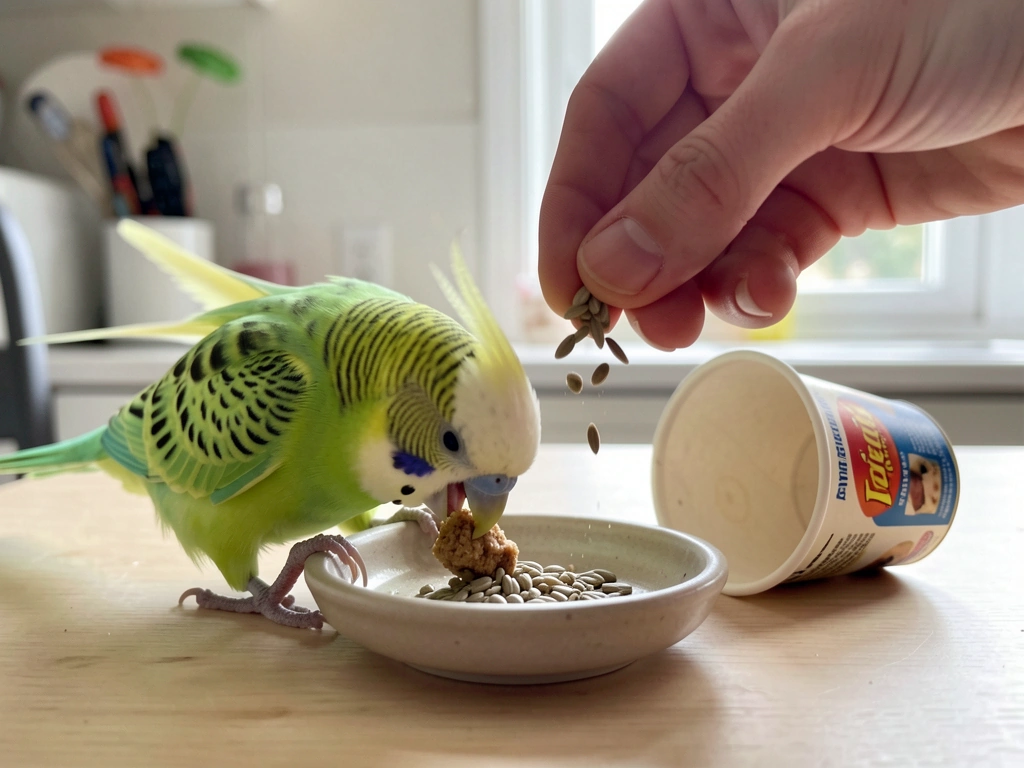
Got a bird that screams at 6am, steals food, and causes general mayhem? Lean into it.
- Chaos
- Gremlin
- Waffles
- Nacho
- Bandit
- Ruckus
- Mayhem
- Squawk
- Pickles
- Biscotti
Regal and dignified birds
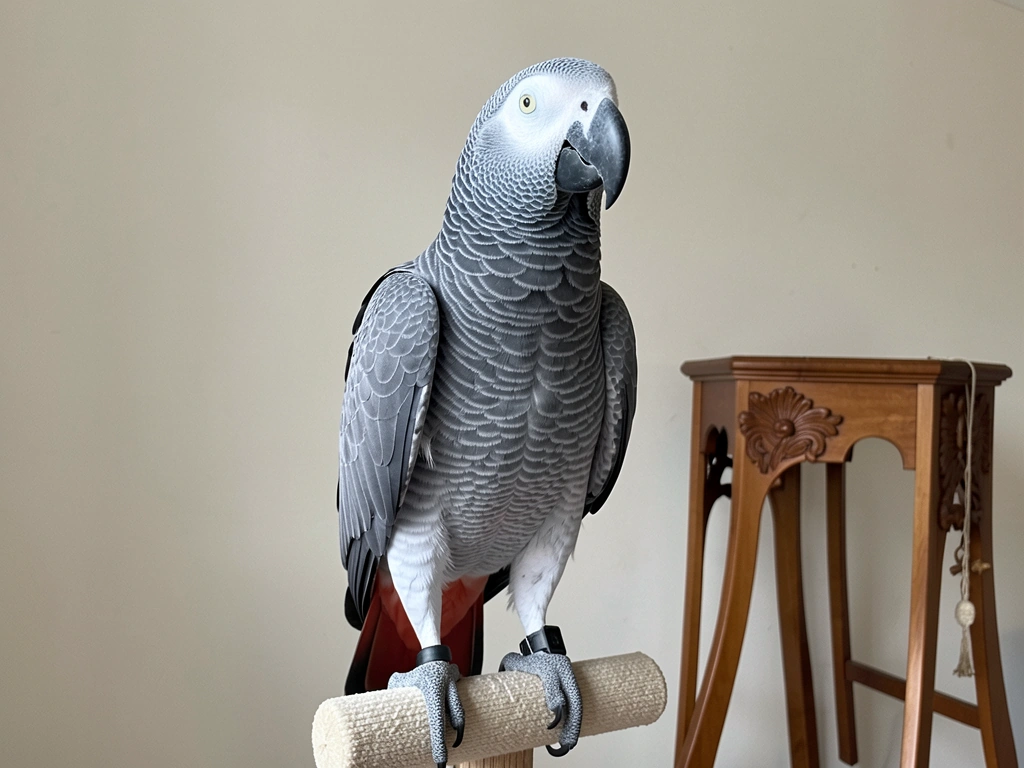
Some birds carry themselves like they own the place. African Greys, large cockatoos, and certain macaws fall into this camp.
- Apollo
- Caesar
- Athena
- Duchess
- Magnus
- Orion
- Cleo
- Ptolemy
- Juno
- Nero
Quirky and unique birds
For birds with odd habits, unusual looks, or that special energy that's hard to categorize.
- Ziggy
- Pixel
- Queso
- Nimbus
- Pebble
- Tofu
- Hobbit
- Noodle
- Figaro
- Blip
Classic and timeless birds
Sometimes you just want a solid name that doesn't need explaining. These are reliably good.
- Coco
- Charlie
- Sunny
- Bella
- Kiwi
- Mango
- Rio
- Luna
- Oscar
- Lola
Short, easy-to-say names (1–2 syllables only)
If your bird is young, new to your home, or you plan to train them seriously, start here. Research on bird training consistently points to short names — ideally one syllable, absolutely no more than two — as the easiest for birds to isolate and respond to. Think of it this way: when you call your bird's name 30 times a day in varying tones and situations, a clean, punchy sound is going to register more reliably than 'Bartholomew.'
- One syllable: Pip, Rue, Beau, Jay, Fen, Flo, Kit, Bean, Dot, Max, Rex, Zee, Blu, Ace, Gio
- Two syllables: Mango, Kiwi, Coco, Rio, Luna, Sunny, Peanut, Ziggy, Lola, Oscar, Biscuit, Pixel, Mochi, Waffles, Nacho
Notice how almost all of them end with a vowel or open sound: Mango, Kiwi, Rio, Sunny, Lola, Coco. That's not a coincidence. Pet training guidance specifically flags this pattern — names that end on a strong, open vowel carry better across a room and are easier for a bird's auditory system to latch onto.
Names by color, species, gender, and vibe
Sometimes the name is staring you in the face — literally. If your bird has a striking color, a well-known species identity, or a clear gender, those are great starting anchors. Here's a practical breakdown.
By color
| Color | Name ideas |
|---|---|
| Yellow | Saffron, Goldie, Citrus, Sunny, Lemon, Mustard, Honey, Buttercup |
| Blue | Indigo, Azure, Navy, Cobalt, Blu, Sky, Storm, Iris |
| Green | Sage, Fern, Basil, Kale, Juniper, Ivy, Mossy, Verde |
| Red/Orange | Paprika, Ember, Blaze, Cinder, Sienna, Cayenne, Rusty, Crimson |
| White | Pearl, Ghost, Ivory, Frost, Dove, Cloud, Blanche, Cotton |
| Grey | Ash, Sterling, Smoky, Flint, Misty, Granite, Slate, Pebble |
| Multi-color | Mosaic, Prism, Pixel, Confetti, Marbles, Calico, Fiesta, Carnival |
By species
Species personality often suggests a name direction. Cockatoos tend toward dramatic, theatrical names. Budgies can handle something playful and small. African Greys often suit something a bit more intellectual. Lovebirds? Anything affectionate works. Macaws can handle big, bold names. If you have a parrot specifically, there's a whole separate naming universe worth exploring — parrot names tend to be a specific conversation because of how vocal and personality-forward they are.
By gender
Plenty of great bird names are completely gender-neutral (Kiwi, Pip, Mango, Rio), which is helpful since sexing birds isn't always straightforward. But if you do know your bird's sex, you might want a name that leans in. For male birds, names with harder consonants and single punchy syllables often work well: Rex, Ace, Beau, Marco, Duke, Kai. For female birds, softer endings and flowing sounds tend to feel natural: Luna, Bella, Cleo, Iris, Lola, Fiona. These aren't rules — they're just patterns that tend to feel intuitive to most people.
By vibe
Sometimes the bird doesn't suggest a color or species name — it suggests a feeling. A bird with a tropical energy might be Papaya, Calypso, or Mambo. A bird that seems ancient and wise might suit Merlin, Odin, or Sage. A bird with pop-culture energy might be Spock, Yoda, Gandalf, or Hedwig. Leaning into your personal taste here is completely valid — you're the one saying this name every day for potentially 20 or 30 years.
Naming multiple birds: matching themes vs. going for contrast
Multi-bird households need a slightly different strategy. The core challenge is that your birds need to be able to distinguish their own name from their cagemate's name — and so do you, especially when you're training them separately. Cornell Lab's research on how parrots recognize individuals in social groups is relevant here: birds actually do develop distinct auditory associations with specific names when those names are used consistently and separately.
The matching theme approach
This is the most popular route and the most fun for the human. Pick a theme and name all your birds within it. The key is that the individual names within the theme must still sound different from each other — don't choose Coco and Cocoa, or Mango and Mongo. Here are theme ideas that produce genuinely distinct-sounding names:
| Theme | Name pair/trio examples |
|---|---|
| Fruits | Mango + Kiwi + Papaya |
| Space | Orion + Luna + Nova |
| Mythology | Athena + Apollo + Hermes |
| Spices/food | Saffron + Basil + Cayenne |
| Jazz musicians | Miles + Ella + Coltrane |
| Planets | Mars + Venus + Jupiter |
| Seasons/nature | Sunny + Fern + Frost |
| Pop culture duos | Bowie + Mercury, Frodo + Bilbo, Han + Leia |
The contrast approach
Some people prefer names that are deliberately different in sound — one short/punchy and one longer/melodic, or one serious and one silly. Pip and Duchess. Chaos and Pearl. Rex and Mochi. This works especially well if your birds have very different personalities, because the name becomes part of how you signal which bird you're addressing. Whatever approach you choose, just make sure the names are distinct enough that you can say them clearly in training without the wrong bird responding.
How to test a name and train your bird to respond to it
Picking the name is step one. Getting your bird to actually respond to it is step two — and it's easier than most people expect if you follow a simple protocol. The approach here comes directly from clicker training and operant conditioning principles used in professional bird training.
- Say the name once, in a calm, happy tone. Don't repeat it immediately. Give the bird a moment.
- The instant your bird looks toward you, makes eye contact, or shows any sign of attention, mark the moment (with a click if you're clicker training, or a bright verbal 'yes!') and immediately offer a small treat or enthusiastic praise.
- Repeat this several times per short session — keep sessions to 5 minutes or less. Birds have sharp but short attention spans for formal training.
- Over days, you'll notice your bird starts orienting toward you faster when they hear the name. That's the association forming.
- Once the association is solid, you can begin using the name to get attention before other requests: say their name, wait for them to look at you, then give the next cue (step up, come, etc.).
- Always keep the name positive. Never use it right before something the bird dislikes — a nail trim, being put back in the cage when they don't want to go, or any stressful event. If the name becomes associated with unpleasant experiences, the bird will start ignoring it or showing avoidance behavior.
The critical rule from fear-free training principles: the name should never be followed by punishment, harsh handling, or aversive experiences. You want the bird to hear their name and think 'good things are coming' — not brace for something bad. This sounds obvious but it's easy to slip up when you're frustrated and you call out their name right before grabbing them to do something they hate.
To test whether the name is working: stand a few feet away, say the name once (not repeatedly), and watch. A bird that's learning their name will turn their head, make eye contact, or move toward you. A bird that hasn't made the association yet just won't react — that's fine, keep training. A bird that actively moves away has likely had the name paired with something stressful, and you'll need to rebuild that positive association from scratch.
Mistakes to avoid — and when it's okay to change the name
Common naming mistakes
- Choosing a name that sounds like a common word or command. 'Boo' is cute, but if you say 'boo' to your bird as a game, they'll never know which context is their name.
- Picking a name that's hard to say consistently. Long, multi-syllable names like 'Bartholomew' or 'Persephone' sound great in theory but you'll inevitably shorten them, and then your bird learns the nickname, not the name.
- Using the name when you're frustrated or scolding. Even if you're not scolding the bird directly, saying their name in a sharp, angry tone will create a negative association fast.
- Changing the name constantly in the first few weeks. Pick something and commit to it for at least 2–3 weeks before deciding it isn't working.
- Using names that sound too similar if you have multiple birds. Kiwi and Kira, or Mango and Marco, will confuse both you and your birds.
- Repeating the name over and over without reinforcement. Saying 'Mango, Mango, Mango' without any reward teaches the bird to tune it out, not respond to it.
When to change the name — and how
Birds can learn a new name at any age, though it takes longer with an older bird that has years of association with a previous name. If you've adopted a bird who already knows their name, think hard before changing it — 'Polly' might be cliche, but if that bird has responded to 'Polly' for seven years, you're working against strong conditioning. If you do need to change it, the cleanest method is to use both names together for a few weeks: 'Polly-Rio' said together, then gradually drop the old name as the new association forms. Don't just switch cold — that creates a period where the bird has no reliable name cue at all.
The signs that a name genuinely isn't working: your bird never orients to it after 3–4 weeks of consistent, positive training; you consistently forget to use it or feel uncomfortable saying it; or you've accidentally paired it with too many negative experiences to recover easily. In any of those cases, starting fresh with a new name is a legitimate call. Just go through the full association-building process again from the beginning.
FAQ
Can a bird learn its name if I only use it during training sessions?
Yes, but it usually learns faster when the name cue is used throughout the day in short, calm moments. Aim for frequent, low-pressure repetitions, call it once, then follow with a clear positive outcome (treat, attention, or a favorite activity), so the bird consistently links the sound to good things.
What if my bird ignores the name but still takes treats when I call something else?
That pattern often means you have the reward timing off (you are rewarding too late) or the name sounds are not distinct in your setting. Try shortening the delay between saying the name and delivering the treat (within a second), and reduce background noise for a few sessions so the bird can isolate the cue.
Should I repeat the name multiple times when my bird does not respond?
Usually no. Repeating can turn the name into background noise and teaches the bird to wait for the “real” signal. If there is no response, use a different strategy: pause, make the name sound once, then increase reward strength or adjust placement (slightly closer, lower voice, calmer environment) rather than calling it over and over.
Is it a problem if the name sounds similar to my other bird’s name in a multi-bird home?
It can be. Birds need to distinguish cues used for different individuals, and names that are too close in sound often cause mix-ups during training. Keep names different in at least one obvious feature (one ends with a vowel and the other ends with a consonant, different first sound, or different rhythm) so you can train each bird reliably.
What should I do if I accidentally paired the name with something stressful (like catching or medication)?
Start a recovery phase. For several days, use the name only in “safe” moments, pair it with high-value rewards, and avoid calling it right before handling. If your bird still reacts negatively to the sound, consider using a temporary placeholder name during desensitization, then transition later once the association is rebuilt.
Can I use a longer name, like two syllables or a nickname?
Two syllables can work, but one-syllable names tend to be easier for birds to isolate. If you choose a longer name, keep a consistent “clean” version (same syllables, same cadence) and avoid random variations, because inconsistent pronunciation can dilute the cue even when the name length itself is acceptable.
Do birds respond better to certain tones or pitches?
They often do. Many birds learn faster when you use a consistent, upbeat tone that is the same every time the name is spoken, rather than a wide range of emotional tones. After the bird shows reliable orientation, you can gradually vary volume and inflection to make the cue robust.
Should I change my bird’s name if it already responds to it?
Only if necessary. Long-term conditioning makes the old name sticky, and a cold switch can leave the bird without a reliable cue. If you must change it, use both names together consistently for a few weeks, then phase out the old one by reducing its frequency while keeping the rewards tied to the new name.
How long should I wait before concluding the name is not working?
A reasonable checkpoint is about 3 to 4 weeks of consistent, positive pairing and proper timing. If the bird still never or rarely orients after that window, or if the bird reliably avoids you when you say it, you likely need a different name or a reset of the association process.
What is the safest way to test a new name before using it for real training?
Do quick, controlled association checks: stand a few feet away, say the name once, and watch for a head turn or eye contact. If you see any orienting behavior, reward immediately and note the context. If there is zero response, do not escalate by repeating, instead adjust environment and reward value for the next session.
What if my bird already has a human-like voice impression (mimicry), will that interfere with name learning?
It can, because extra vocal cues may compete with the name signal. Reduce overlapping sounds during early training (less talking, fewer background noises), and choose a name that is distinct from other words in your household so the bird has a clear pattern to learn.
Next Article
What to Name a Pet Bird: Easy Steps and Name Ideas
Simple steps to name your pet bird, plus practical name ideas that fit color, species, personality, and how to teach it.