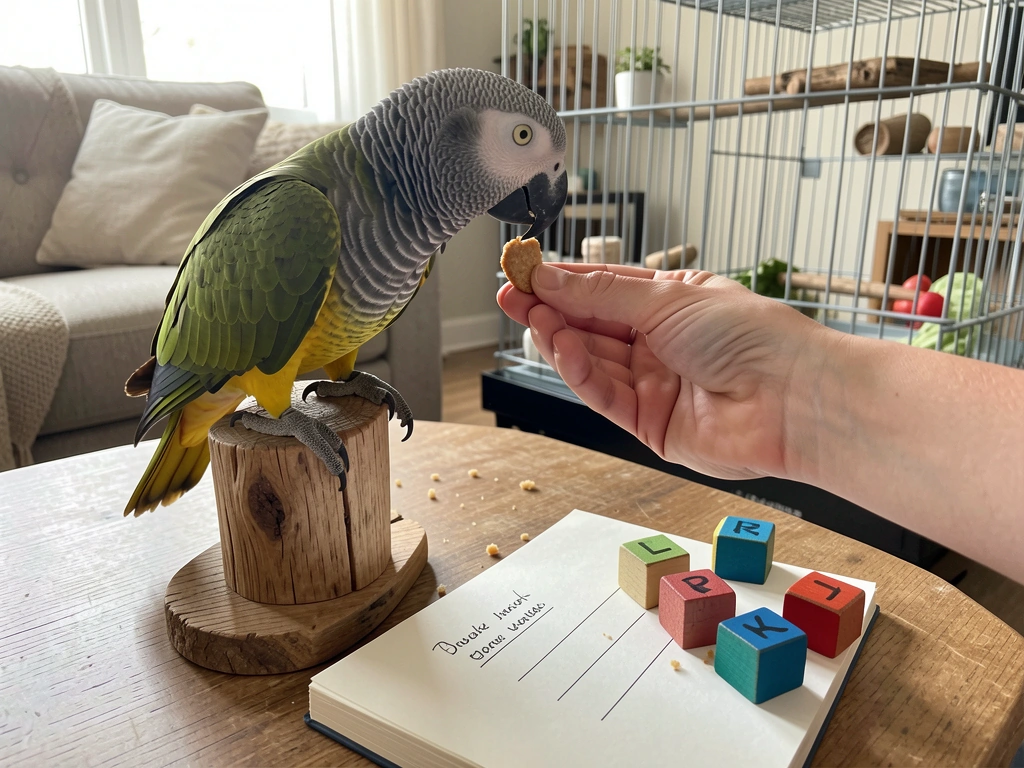
If you've got a blue bird in front of you and you're drawing a blank on the name, here's the short answer: pick something short, shade-specific, and easy to say out loud without sounding like a dog command. Names like Azure, Cobalt, Indigo, Sky, and Reef are all solid starting points. But the best name depends on what you actually need it for, what shade of blue your bird is, and how it acts. Let's work through all of that quickly.
What Is a Good Name for a Blue Bird? Ideas and How to Choose

Maya Castellanos
22 Mar 2026
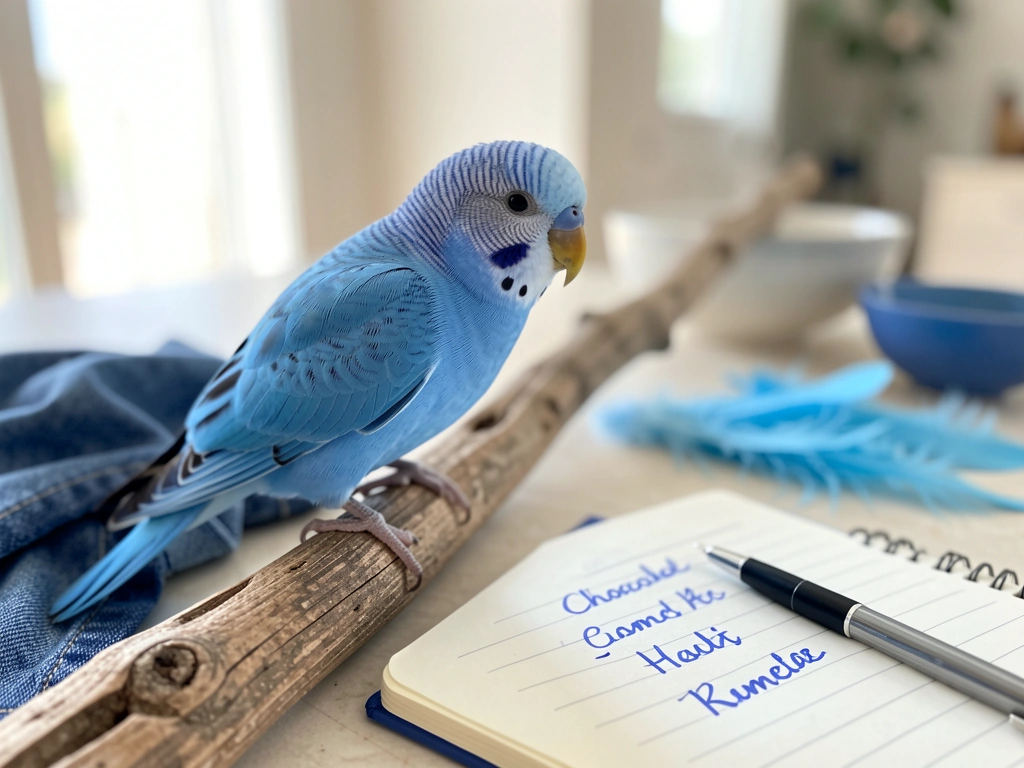
First, figure out what you're actually naming
The word 'blue bird' gets searched for a lot of different reasons. Someone naming a pet parakeet has totally different needs than someone naming a character in a story, a craft project bird, or a stuffed animal on a shelf. The name that works best in each case is genuinely different, so it's worth taking ten seconds to identify your situation. If you are wondering what to name a pet bird in the first place, start with the short-list and naming criteria that match your bird’s shade, personality, and sound.
- Pet bird (live bird you interact with daily): prioritize short names, easy pronunciation, and training compatibility. You'll be saying this name hundreds of times.
- Fictional character or story bird: you have more freedom. Longer, more dramatic names work fine because you never have to shout them across a room.
- Craft project, collectible, or stuffed animal: whimsical and playful wins. Nobody's training a plush bird to step up.
- Nickname for a person: lean into color puns, pop culture, or personal inside jokes. Elegance matters more than brevity here.
This article covers all four, but the pet-naming advice is the most specific and practical because it comes with real constraints. If you're naming a live bird, read the training-compatibility tips especially carefully.
How to pick a name that actually fits
Three things should drive your choice: the exact shade of blue, the bird's personality or behavior, and how the name sounds when you say it out loud. Let's look at each.
Match the shade
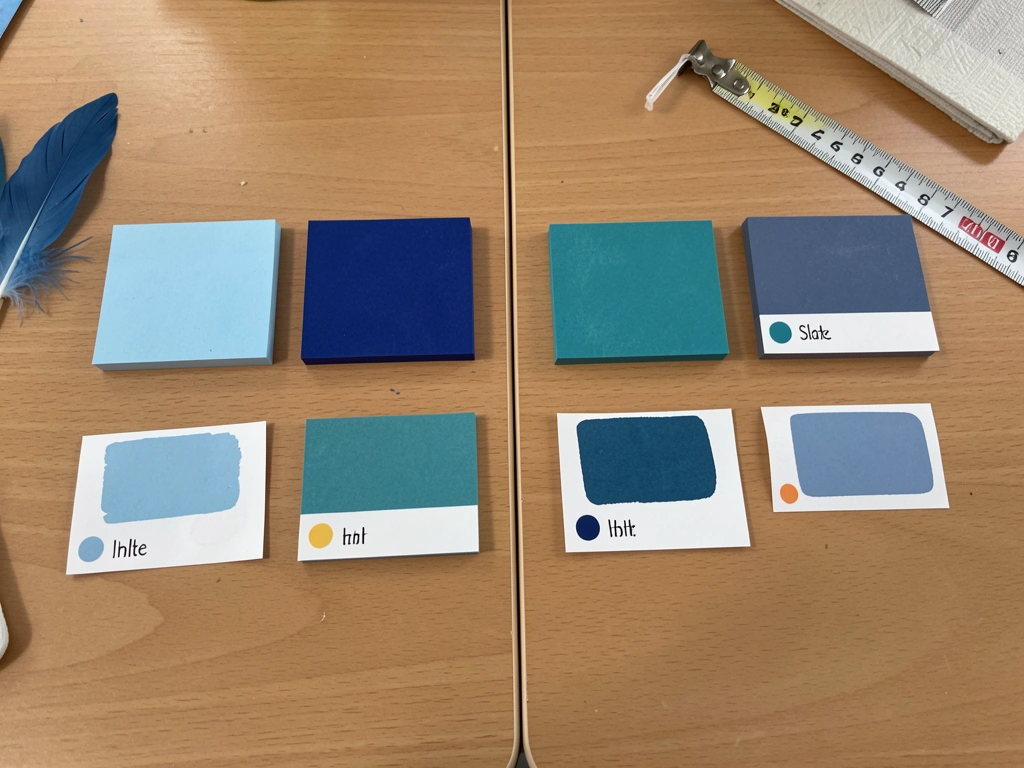
Blue covers an enormous range. A pale powder-blue parakeet and a deep navy-blue lory are both 'blue birds,' but they feel completely different, and the right name reflects that. A bird with icy, silvery-blue feathers suits names like Frost, Mist, Silver, or Glacier. A rich cobalt or royal blue bird earns something bolder: Cobalt, Royal, Indigo, or Neptune. Teal and turquoise birds lean toward ocean names: Reef, Lagoon, Cove, or Teal itself. A stormy slate-blue bird could be Storm, Slate, Ash, or Dusk.
Match the personality
I always watch a bird for a few days before committing to a name, because behavior tells you so much. A bold, loud, mischievous bird deserves a name with energy: Bandit, Chaos, Rocket, or Rascal. A calm, gentle, elegant bird suits something quieter: Pearl, Sage, Luna, or Zen. A fast, flighty bird might earn names like Dart, Flash, or Zip. A curious, clever bird? Edison, Scout, or Pixel all work well. The name should feel like it fits the animal in front of you, not just a generic blue color.
Match the sound
Say any candidate name out loud three times fast, then say your most common training phrases right after it. Names that rhyme with or sound like common commands create genuine confusion for birds you're training. For example, 'Bo' sounds like 'no,' 'Kay' sounds like 'stay,' and something like 'Bit' gets too close to 'sit.' This isn't a made-up concern: birds (and dogs) really do respond to sound patterns, not spelling. Stick to names that land in their own distinct sonic space.
Name ideas by style
Here are ready-to-use names grouped by the vibe you're going for. These are all genuinely usable, not filler. Pick a category that matches your bird's personality and your own taste.
Cute and sweet
- Bluebell
- Bubbles
- Dewdrop
- Pip
- Periwinkle (Peri for short)
- Blueberry
- Pebble
- Biscuit
- Chicory
- Wren
Elegant and refined
- Azure
- Indigo
- Celeste
- Cobalt
- Sapphire
- Marina
- Lyric
- Sterling
- Caelum (Latin for sky)
- Soleil
Funny and playful
- Sir Flaps-a-Lot
- Wingston
- Beaky Blue
- Captain Cerulean
- Smurfy
- Bluey
- Chirpsworth
- Feather Ledger
- Squawkington
- Cluck Norris
Nature, sky, and sea inspired
- Sky
- Storm
- Reef
- Glacier
- Cove
- Breeze
- Lagoon
- Dusk
- Frost
- Zephyr
- Mist
- Tidal
- Cirrus
- Nimbus
Gender-neutral options
- River
- Ocean
- Quinn
- Sage
- Blue
- Scout
- Pixel
- Ash
- Robin
- Indigo
Names tied to specific species
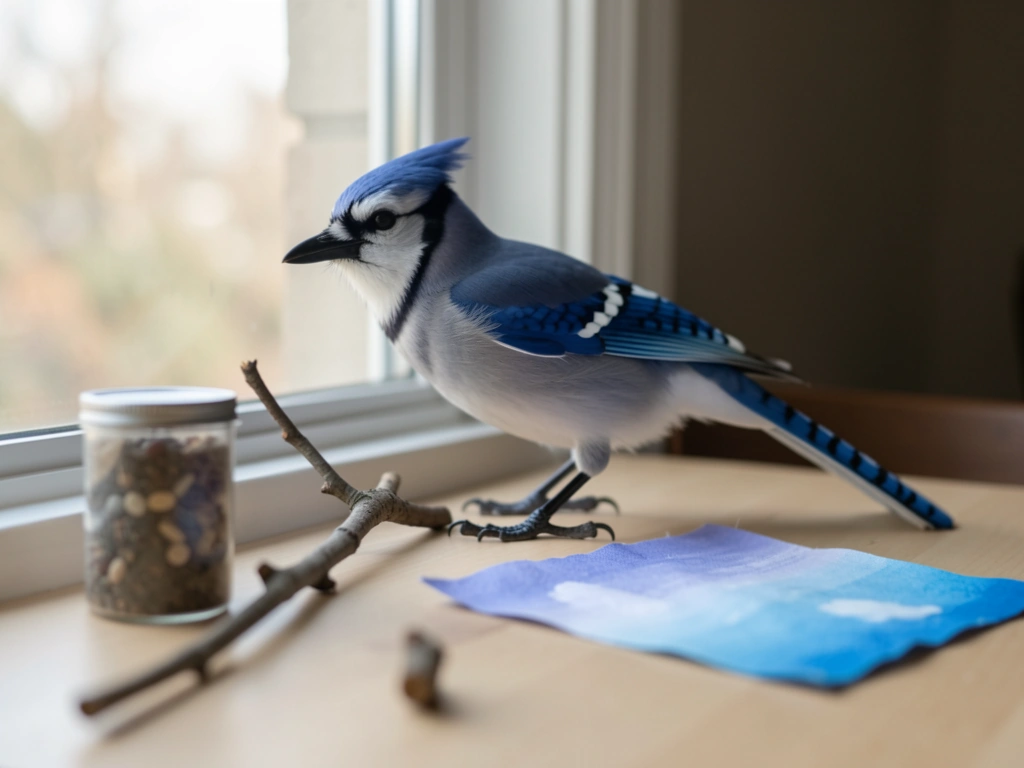
If your bird is a well-known blue species, you can play off its identity directly. Parakeets and budgies suit cheerful, light names: Nimbus, Breeze, or Pip. Hyacinth macaws, being the dramatic giants they are, suit dramatic names: Titan, Hyacinth, Royal, or Atlas. Blue jays lean into their feisty reputation with names like Jett, Bandit, or Rogue. Bluebirds (the Eastern bluebird species) suit gentler names: Meadow, Robin, Clover, or Willow. Encyclopaedia Britannica describes the bluebird as belonging to the North American genus Sialia and distinguishes eastern, western, and mountain bluebirds blank" rel="noopener noreferrer">bluebird is a North American genus Sialia with eastern, western, and mountain types. The U.S. Fish & Wildlife Service lists the Eastern bluebird’s scientific name as Sialia sialis blank" rel="noopener noreferrer">Eastern bluebird species. If you want more ideas for specific species, a guide focused on parrot names covers macaws and cockatoos in more depth.
Name length and how it sounds in real life
The most consistently useful piece of naming advice for pet birds is also the simplest: keep it to one or two syllables. That's not a hard rule, but it's grounded in real practice. Short names are easier for birds to recognize, easier for you to repeat consistently, and easier to say with a clear, distinct tone. 'Sky' lands faster than 'Periwinkle' in the middle of a training session. That said, longer names work fine as long as you use a shortened form daily. 'Periwinkle' becomes 'Peri.' 'Sapphire' becomes 'Saph.' 'Cobalt' is already two syllables, so it stays as is.
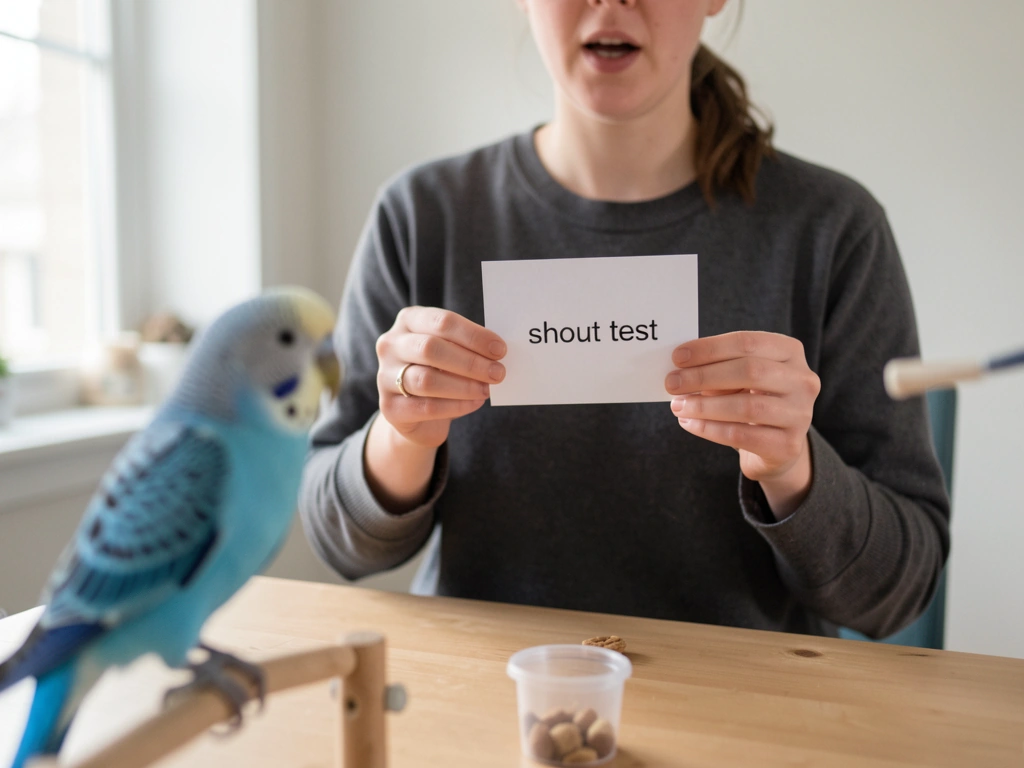
The other thing to test is what I call the 'shout test.' Stand across the room, say the name like you're trying to get the bird's attention, and notice how it sounds. Names that end in a clear vowel sound (Sky, Azure, Indigo, Zoe) tend to carry well. Names that end in a hard consonant (Cluck, Jett) are punchy and attention-grabbing. Both work. What doesn't work as well is names that trail off or blur into ambient noise, like very soft-sounding names in a noisy household.
Also avoid names that accidentally rhyme with or closely resemble your most common training words. If you say 'no' constantly, 'Bo' is a bad choice. If 'step up' is your main cue, avoid anything that rhymes with 'up.' This applies whether you're naming a parakeet or a more complex bird you plan to train actively. The confusion is real, and it's easier to sidestep it at the naming stage than to retrain later.
Compare the best options side by side
| Name | Best for shade | Best for personality | Syllables | Training-friendly |
|---|---|---|---|---|
| Azure | Medium to bright blue | Calm, graceful | 2 | Yes |
| Cobalt | Deep, bold blue | Confident, bold | 2 | Yes |
| Sky | Pale or powder blue | Light, friendly | 1 | Yes |
| Indigo | Deep blue-violet | Mysterious, elegant | 3 | Yes (use 'Indi') |
| Reef | Teal or ocean blue | Energetic, curious | 1 | Yes |
| Frost | Icy or silvery blue | Calm, independent | 1 | Yes |
| Bluebell | Any blue | Sweet, gentle | 2 | Yes |
| Zephyr | Any blue | Playful, fast | 2 | Yes |
| Storm | Slate or dark blue | Bold, feisty | 1 | Yes |
| Bluey | Any blue | Silly, affectionate | 2 | Yes |
| Bo | Any blue | Any | 1 | Caution: sounds like 'no' |
| Kay | Any blue | Any | 1 | Caution: sounds like 'stay' |
Your shortlist and how to make the final call
If you want a ready-to-use shortlist right now, here are my top picks across different needs. For a pet bird you'll train: Sky, Reef, Cobalt, Azure, or Frost. For an elegant or fictional bird: Celeste, Caelum, Indigo, or Sapphire. Once you can do that for blue birds, you can apply the same approach to the best names for a yellow bird too a gender-neutral name. For a funny or whimsical bird: Bluey, Wingston, Chirpsworth, or Captain Cerulean. For a gender-neutral name that works anywhere: River, Sage, Pixel, or Blue itself. If you want male options specifically, you can still use the same shortlist logic while picking names that fit a more masculine vibe and sound male bird names.
To get to your single final pick, run through this checklist:
- Look at your bird's exact shade of blue and match the name to it. Pale blue gets something airy. Deep blue gets something bold.
- Watch the bird for a day or two. Is it bold or shy? Loud or quiet? Let the personality influence your shortlist.
- Say your top two or three candidates out loud, multiple times, in a normal speaking voice and then in a calling voice.
- Check each name against your most common commands. Does it rhyme with or sound like 'no,' 'stay,' 'sit,' or 'step up'? If yes, drop it.
- Ask yourself: does this name feel right to say every single day, for the next ten to fifteen years? If you're naming a parrot or macaw, that's not a hypothetical.
- Pick the one that passed all the above steps and feels the most like the bird in front of you. That's your name.
One last thing: don't overthink it. Bird names feel permanent, but they're not. Birds respond to tone and consistency more than the specific word. A bird called 'Reef' and a bird called 'Cobalt' can both learn their names equally well if you use them consistently. The perfect name is the one you'll actually use with enthusiasm every day, not the one that looks best on paper.
FAQ
What should I do if my blue bird is already bonded to a nickname?
For a live pet, the best “good” name is one you can say the exact same way every day, even when you are stressed or calling quickly. A practical test is to record yourself saying the full name at normal volume, then again in a short, upbeat tone. If you notice you naturally shorten, blur sounds, or change cadence, switch to a simpler name now rather than after you start training.
Can I change my blue bird’s name, and how do I do it without confusing the bird?
Keep the nickname that works, then add the new name only after the bird consistently responds to the current cue. Use a two-step approach: say the current trusted nickname to get attention, reward, then introduce the new name immediately after (new name becomes “the same thing”). Avoid switching entirely in one day, because that forces the bird to relearn the sound pattern.
Are longer names like Periwinkle or Sapphire actually practical for training?
Yes, but choose carefully. If your household already uses a lot of “-ee” sounds, for example, “Zoe” may blend in less than a softer trailing sound. A good compromise is to pick a two-syllable name with distinct consonants at the beginning, then create a daily shorthand you always use during training (example, “Sapphire” becomes “Saph” consistently).
How do I choose a name if I have multiple pets and names get mixed up?
If your bird lives with other birds or shares rooms with people who call different names, pick one that is clearly different from the other animals’ names. The easiest way is to list every name you say around the bird, then check for overlap in starting sounds and ending sounds. If two names start similarly (like “Sky” and “Skye”), separate them by choosing a name with a different first syllable.
Do I need to say the full name, or is a nickname acceptable during training?
Use the first syllable most of the time when calling, because that is often the loudest, most repeated part. If the full name is three or more syllables, create a consistent short form and use it for rewards and cues. The full name can still be used for praise, but training should rely on the same quick sound each time.
What if my name idea sounds similar to a training cue like “sit” or “stay”?
If you plan to teach specific tricks, avoid names that sound too close to your cues even if the spelling is different. For instance, if “sit” is a cue, names that begin with “sit” or rhyme with it will slow learning. After you pick a candidate, say it right before and right after each training cue to see if your mouth movements and timing match.
How important is the “shout test” if I train in a noisy home?
A “shout test” is useful, but also check what it sounds like in your exact home acoustics. In a noisy room, names that end in a clear vowel often cut through better, but punchy endings can work too if you can project cleanly. Do one real-world test: stand in your usual training spot, call the name, and listen for whether it stays distinct over background sound.
What name should I choose for a baby blue bird when I do not yet know its personality?
If the bird is very young or still settling, prioritize a name that is easy to repeat with consistent tone rather than a super specific color-name. You can start with something broadly “blue-adjacent” and switch later only if the bird’s personality becomes clear and you find a better fit. Avoid frequent changes, though, since learning depends on repetition.
Do these naming rules apply the same way if I’m naming a character or a stuffed blue bird?
If it is for a fictional character or craft bird, you can be freer, but you still benefit from “say it out loud” checks for readability and memorability. Aim for a name that matches the character’s role, not just its color, and ensure it does not clash with other character names you mention often. For a story, consider how the name reads on the page and how it sounds when characters call it.
Next Article
Good Bird Names Male: Best Ideas and How to Choose
Lists of good male bird names plus a quick method to test and avoid hard, confusing, or mismatched name choices