
There is no bird species officially or widely known as 'Venus.' No accepted common name in the major bird checklists (IOC, eBird/Clements, BirdLife) uses 'Venus' as a species label, and while 'Venus' does appear in scientific nomenclature across the animal kingdom, it attaches to shellfish and other invertebrates, not birds. What you will find when you search 'Venus' in bird contexts is a mix of pet bird names, naming-guide suggestions, and mythological associations, none of which point to a recognized bird taxon. If what you really want is a bird that starts with T, you can look for common examples like toucan and tern to match your criteria.
Is There a Bird Called Venus? How to Verify the Name

Maya Castellanos
27 May 2026
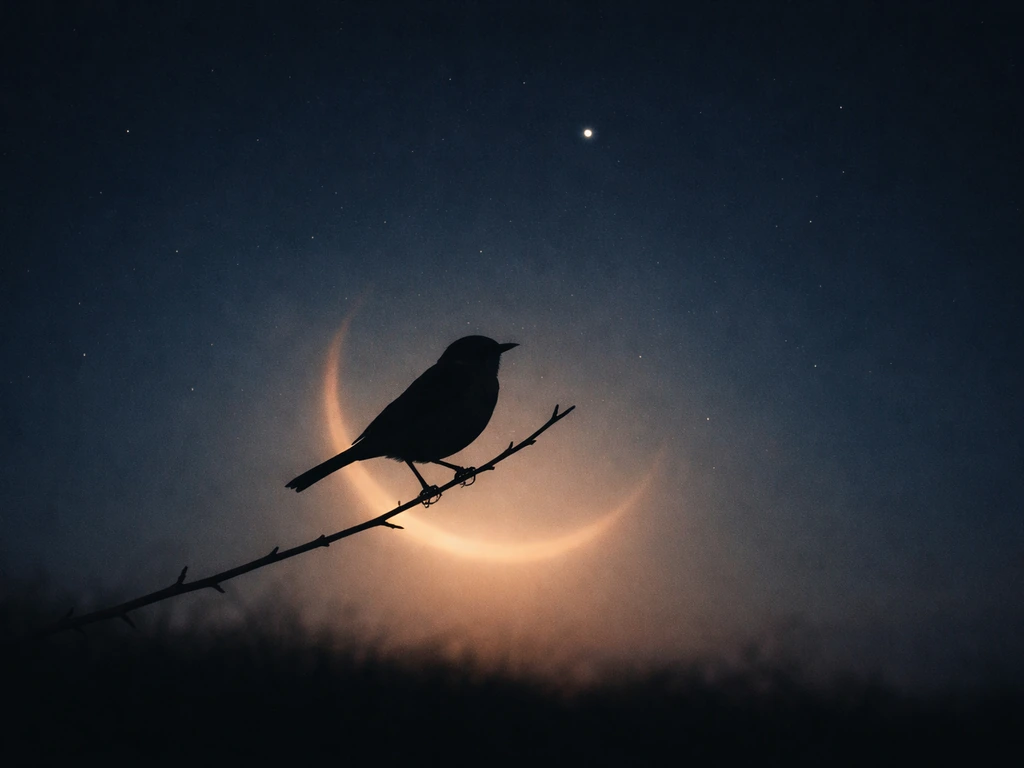
What people actually mean when they search 'Venus' + birds

Most searches for 'Venus' in a bird context fall into one of three buckets: someone curious whether a species by that name exists, someone who heard a bird called Venus and wants to know what kind it is, or someone who wants to name a pet bird Venus and is checking whether the name already belongs to a species. If you are also wondering, is there a bird called fancy, the same idea applies: it is usually an individual pet name or a non-bird term showing up in search results. All three are totally valid reasons to land here, and the answer to each is slightly different, so it helps to know which camp you are in before diving into databases.
The confusion is understandable. 'Venus' is a loaded word in taxonomy broadly. It shows up as a genus name for clams (Venus fasciata, Venus gallina striatula), as a common name for plants like the Venus flytrap, and even as part of animal descriptors like 'venus girdle' for a comb jelly. Search engines do not always filter by kingdom, so a general 'Venus bird' search pulls in a noisy mix of these results alongside pet listings and mythology pages.
Real species check: common names and scientific names
The two most authoritative sources for bird common names are the IOC World Bird List and the eBird/Clements checklist. Between them they cover roughly 11,000 bird species with standardized English names. Neither list contains 'Venus' as a recognized common name for any species. The IOC also publishes archived versions of its English name list going back multiple versions, with footnotes tracking every name change, so if 'Venus' had ever been a standardized name or had been retired from use, there would be a record of it. There is not.
On the scientific name side, the genus or species epithet 'venus' or 'veneris' (the Latin genitive of Venus) does appear in zoological nomenclature, but not for birds. The Integrated Taxonomic Information System (ITIS) returns Venus-related entries for mollusks and invertebrates. The Integrated Taxonomic Information System (ITIS) reports Venus-related entries for mollusks and invertebrates, not birds ITIS returns Venus-related entries for mollusks and invertebrates.. In bird scientific names, Venus-derived epithets are essentially absent from accepted taxonomy. So both the common-name route and the Latin-name route come up empty for birds.
How to confirm this yourself in a few minutes

If you want to verify any bird name quickly, here is the fastest reliable path today.
- Go to the IOC World Bird List (worldbirdnames.org) and use the search field. Type 'Venus' and look at both English and scientific name columns. If it returns no bird entries, the name is not a recognized species name.
- Open eBird (ebird.org) and use the species search bar. eBird also indexes 'Alternate Common Names,' so even informal or regional names surface here. A blank result for 'Venus' means it is not in the Clements taxonomy or its alternate-name database.
- Cross-check with the Handbook of the Birds of the World (HBW) via the Birds of the World platform if you have access. HBW is one of the most comprehensive single sources for bird English names and would flag any older or regional use of 'Venus' as a bird name.
- If you get hits in a general web search, trace each result back to its source. Pet adoption listings, naming-idea articles, and Reddit threads are not taxonomic references, even when they rank highly.
One practical tip: when a search string like 'Venus' returns mixed results across animal kingdoms, filter by adding 'bird species' or 'Aves' to your query, or use the advanced search inside a dedicated bird database rather than a general search engine.
Why 'Venus' keeps showing up in bird searches anyway
The name Venus has strong cultural gravity. It is the Roman goddess of love and beauty, the second planet from the sun, and one of the most recognized names in any language. That cultural weight makes it a popular choice for pet names, and parrots and cockatiels named Venus appear regularly on adoption sites, in Reddit threads, and in pet-name guides. At least one cockatoo naming resource explicitly lists Venus as a suggested name, and real adoption listings (for cockatiels and parrots specifically) use 'Venus' as the individual animal's name.
There is also a taxonomy-adjacent confusion worth knowing about. The word 'veneris' crops up in Latin scientific names across biology, and 'Venus' appears in common names for non-bird organisms that share search space with bird queries. The Venus flytrap, venus girdle, and various Venus-genus mollusks all create false positives when you search for Venus in a broad biological context. ITIS also shows Cestum veneris with the English common name “venus girdle,” illustrating how “veneris/venus” epithets can create bird-search false positives blank" rel="noopener noreferrer">Venus flytrap, venus girdle. None of these are birds.
Pop culture adds another layer. Individual birds in media, zoos, wildlife sanctuaries, and social media accounts often have given names, and Venus is a plausible choice for a striking or charismatic bird. If someone tells you they saw a bird called Venus, they most likely mean a pet or a named individual, not a species.
Naming a pet bird Venus: does it work?
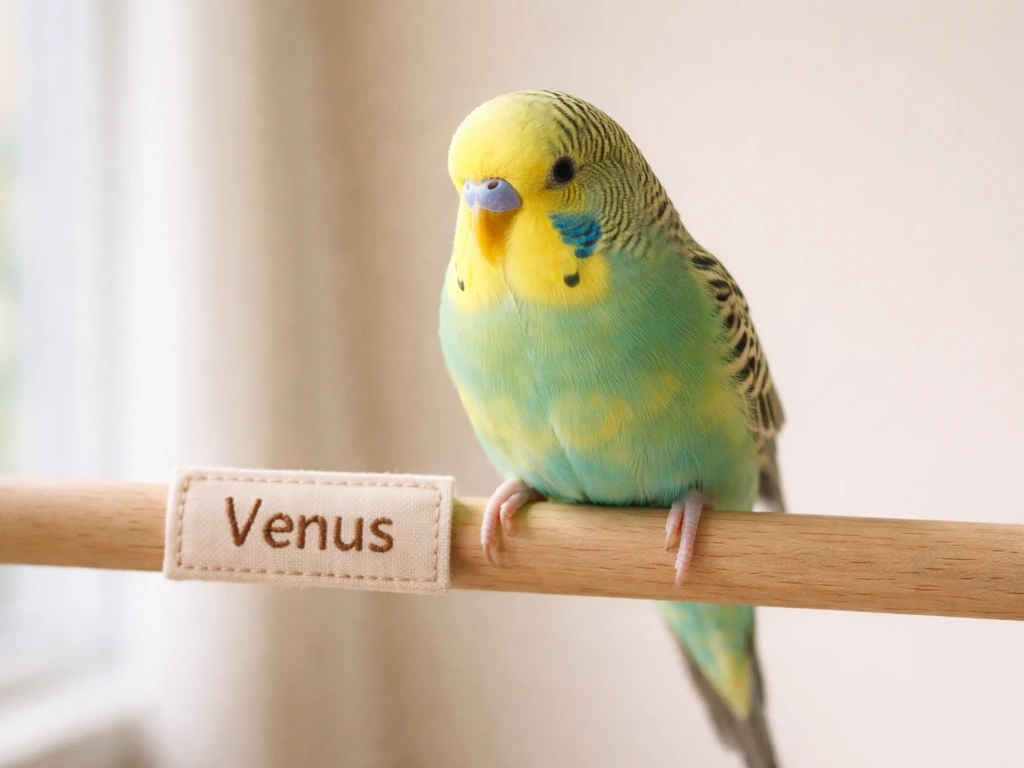
Venus is a genuinely good pet bird name. It is short enough to be practical (two syllables, clear vowel sounds), distinctive enough to avoid confusion with common commands, and carries a clear thematic meaning that many bird owners appreciate. The celestial and mythological association works especially well for birds that have a dramatic or showy appearance: think white cockatoos, brightly colored macaws, or any species with an elegant bearing.
Because 'Venus' is not a species name, there is no risk of confusing your pet's name with a taxonomic label, which is actually a point in its favor. Names like Robin, Martin, Jay, or Swift can blur the line between a species and an individual, which occasionally causes communication confusion when talking to vets or other bird owners. Venus sidesteps that entirely.
Alternatives if Venus does not feel quite right
If you like the celestial or mythological angle but want something a little different, there are plenty of directions to explore. Names from Roman and Greek mythology that are similarly elegant include Juno, Clio, Luna, Iris, and Lyra. If the planet connection appeals, consider names from other planets or astronomical objects. If it is the 'beauty and grace' meaning of Venus you are drawn to, names meaning beautiful or brilliant in other languages are worth exploring too.
| Name | Origin / Theme | Best fit |
|---|---|---|
| Venus | Roman goddess / planet | Showy, elegant, or white-plumaged birds |
| Juno | Roman queen of gods | Bold, confident birds |
| Luna | Latin for moon | Pale or nocturnal species |
| Iris | Greek goddess / rainbow | Colorful parrots or lorikeets |
| Lyra | Constellation | Melodious singers like canaries or finches |
| Clio | Greek muse of history | Intelligent species like African greys |
The naming logic here is the same whether you are naming a cockatoo, a cockatiel, or a budgie. Pick something that feels right to say dozens of times a day, that your bird can eventually recognize, and that reflects something true about the bird's personality or appearance. Venus clears all of those bars easily.
What to do if you find conflicting results
If a source tells you Venus is a bird name but another says it is not, here is a quick triage checklist to sort out the conflict.
- Check whether the source is a taxonomic authority (IOC, eBird/Clements, BirdLife, HBW) or a general reference. Wikipedia's 'list of birds by common name' is an alphabetical index, not a taxonomy source, and it can surface informal or regional names without vetting them.
- Confirm whether 'Venus' is being used as a species common name or as an individual animal's given name. These are fundamentally different things, and conflating them is the single most common source of confusion in bird-name searches.
- If a scientific name containing 'Venus' or 'veneris' appears, verify the kingdom. Use ITIS or the Catalogue of Life to check whether the organism is in class Aves before assuming it is a bird.
- Look at the date of the source. Older regional field guides sometimes used common names that have since been standardized or replaced. The IOC archives track these changes and are the fastest way to check whether a historical name was ever in use.
- When in doubt, post the conflicting sources to a birding community (eBird forum, BirdForum, or a relevant subreddit). Experienced birders and ornithologists resolve these naming ambiguities quickly and usually cite their sources.
The bottom line is simple: Venus is not a bird species name, but it is a perfectly legitimate name for a pet bird and a surprisingly common one. If what you really mean is Tennessee, there is no bird called “Tennessee” in the standard bird checklists either. If you came here to settle a trivia question, now you have your answer. If you are really looking for a different bird name such as the teetar bird, you may want to check its correct English common name and origin in a bird database. If you came here to name a bird, Venus is a solid choice with real precedent in the pet bird community. And if a web search pointed you here after throwing up confusing results, the databases listed above will clear things up in under five minutes.
FAQ
If I find a website claiming “Venus” is a bird species, how can I tell whether it is legit or just a pet name list?
Check whether the claim includes an accepted English bird common name and a corresponding standardized scientific name for a bird taxon. If the page only lists “Venus” as a pet, a theme name, or a named individual shown in media, it is not functioning as a species reference.
Could “Venus” appear in bird scientific names under another spelling, like “veneris”?
Sometimes “veneris” shows up in Latin across biology, but in bird taxonomy it is effectively not used as an accepted Venus-derived epithet for birds. If a proposed bird scientific name contains veneris, verify it in a bird-focused taxonomy database rather than a general IT or species search that may surface invertebrate matches.
What if I saw a “Venus” bird in a zoo, sanctuary, or social media post? Is that likely a species?
Most of the time it is an individual given name. Species would normally be described with a species label (for example, “cockatoo, species X”) and “Venus” would appear as the animal’s personal name, often in captions or animal profiles.
Are there any recognized birds whose common name includes the word “Venus” (for example, “Venus something”)?
Not in the standardized major bird common-name checklists used for birding and conservation. If you encounter “Venus” in a bird common name, it is usually a misunderstanding from cross-kingdom searches or a local nickname rather than an official common name.
How should I search to avoid the non-bird results that show up when I type “Venus bird” into a normal search engine?
Add bird-specific terms and filters, such as “Aves,” “species,” the name of your target bird database, or a region plus “bird.” Also try exact-phrase searches like “Venus” plus “cockatiel” or “parrot” to surface pet-name contexts rather than taxonomy pages.
If my goal is to name a pet bird Venus, will a vet or boarding staff understand what I mean?
Usually yes, because Venus is clearly a personal name and not a species label. Still, it helps to provide your bird’s actual species and age, since some staff systems expect species terms for records and medication guidance even when the given name is Venus.
Does naming a bird Venus cause confusion with commands or typical training language?
It can, but usually less than names that match common bird-training sounds. “Venus” is not a standard command word, but try saying it during short sessions to confirm your bird responds preferentially to the name versus sounds in the environment.
What are good alternatives if I like the Venus theme but want something that sounds similar?
Consider other mythology or sky-themed names that are less likely to be mistaken for non-bird terms, such as Juno, Luna, Iris, Clio, or Lyra. If you want an astronomy vibe, planet-adjacent names can work too, but test name clarity by speaking it repeatedly and listening for easy pronunciation.
Is there any risk that “Venus” conflicts with a real bird name in another region or language?
You are unlikely to encounter a conflicting official species name for Venus in standard English bird checklists. Regional nicknames can exist, but if the bird trade or adoption context uses “Venus” as an individual name, the context is usually enough to prevent confusion.
Next Articles
Is There a Bird Called Tennessee? How to Verify
Quick verdict on whether a bird is literally called Tennessee, plus steps to verify via common and scientific names.
Good Names for a Dodo Bird: Ideas and How to Pick
Cute, funny and elegant dodo bird names plus how to pick one, with language meanings for flightless island vibes.
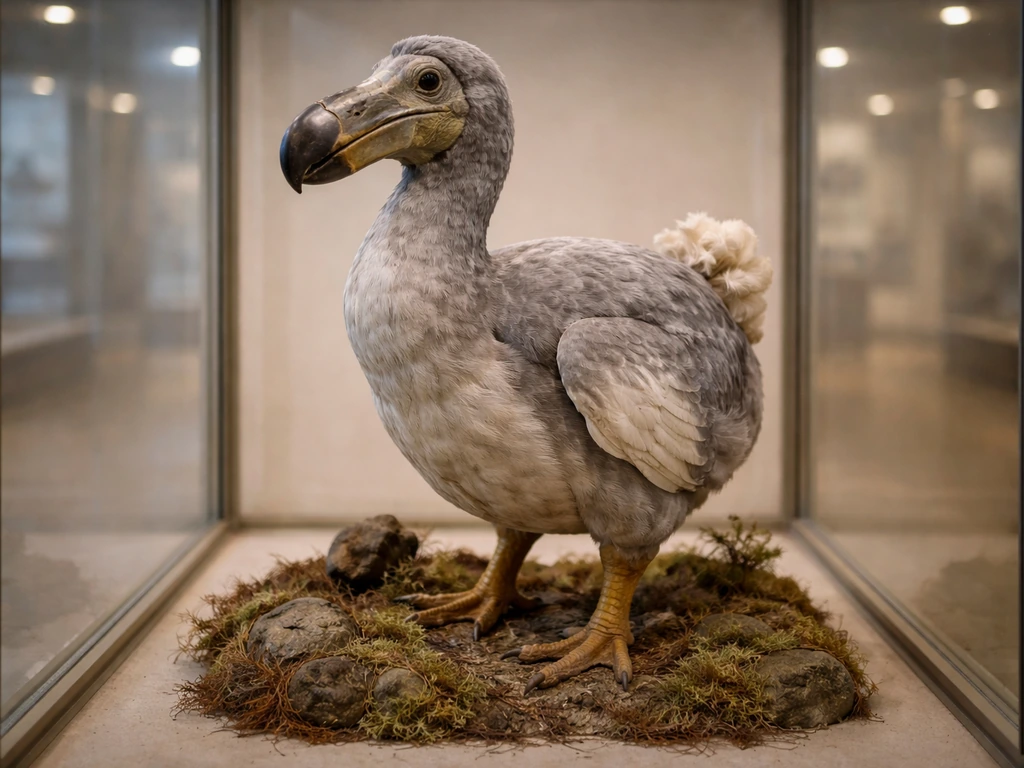
How to Pronounce Dodo Bird Correctly in English
Learn standard and US UK pronunciation of dodo bird, with syllables, stress, etymology, and practice drills.