
If you want a name that means 'fire bird,' your best real-world anchors are Phoenix (Greek myth, literally the fire-rebirth bird), Ember (Old English, 'glowing coal'), Blaze (English, 'open flame'), and Zhar (from Russian zhar-ptitsa, 'heat' or 'ember bird'). For a pet bird specifically, Phoenix and Ember tick every practical box: two syllables, clear vowel sounds, easy to call across a room. If you want something less common or want to pull from Hebrew, Arabic, Spanish, or Hindi roots, there are solid options in each language covered below.
Names Meaning Fire Bird: Real Bird Name Ideas

Maya Castellanos
21 Jun 2026

What 'fire bird' actually means (and why it matters for naming)
The phrase 'fire bird' sits at the crossroads of three very different ideas, and which one you're after will steer your name search completely differently. First, there's the mythological creature: a blazing, magical bird from Slavic folklore called the Zhar-ptitsa (жар-птица), which literally breaks down as zhar ('heat' or 'ember') plus ptitsa ('bird'). This is the glowing supernatural bird of Russian fairy tales that brings either fortune or catastrophe to whoever captures it.
Second, there's the Greek phoenix, a separate but thematically similar mythological bird that dies in flame and rises reborn from its own ashes. Third, there's the practical naming angle: someone wants a name for their red, orange, or yellow pet bird that carries 'fiery' energy without necessarily being a direct translation of 'fire bird. '
Most people searching for 'names meaning fire bird' are actually in that third camp. They have a scarlet macaw, a sun conure, or a flame-colored lovebird and want a name that feels fitting and has real etymological weight behind it. The myth and the etymology overlap helpfully here, because the most usable names (Phoenix, Ember, Blaze, Zhar) all root back to one of those traditions anyway.
The fire side of things: roots, meanings, and real names

Fire-meaning names come from a handful of recurring linguistic roots. Old English and Germanic languages give us words like blaze and ember. Greek gives us pyr (fire), which feeds names like Pyra and Pyrrhus. Latin ignis (fire) is the root behind Ignacio/Ignatius. Sanskrit agni (fire) is the source of the Vedic fire-god name Agni. Arabic nar (fire) appears in names like Nara and Nour. None of these are made up or pop-culture inventions; they're documented roots that name scholars trace back centuries.
Ember is worth a closer look because it's both a common English name and a precise fire term. Etymologically it refers to a glowing coal or cinder, the remnant of fire that still holds heat and chemical energy. That's a beautiful image for a bird with warm plumage. Blaze, meanwhile, is a fully documented given name of English origin, directly aligned with the meaning 'open flame.
Blaze is documented as a modern given name of English origin, explicitly tied to fire imagery like open flame Blaze is a documented modern given name of English origin tied to open-flame fire imagery. ' It works well for brightly colored birds with bold personalities.
Ignatius/Ignacio feels more formal, but the nickname Iggy is short and punchy enough to work as a pet-bird call.
| Name | Language Root | Fire Meaning | Syllable Count |
|---|---|---|---|
| Phoenix | Greek | Fire-rebirth / the fire bird itself | 2 |
| Ember | Old English | Glowing coal / cinder | 2 |
| Blaze | English | Open flame | 1 |
| Pyra | Greek (pyr) | Fire | 2 |
| Ignacio | Latin (ignis) | Fire | 4 (nickname: Iggy, 2) |
| Agni | Sanskrit | Fire / fire god | 2 |
| Nara / Nour | Arabic (nar) | Fire / light | 2 |
| Zhar | Russian / Slavic | Heat / ember | 1 |
Bird-rooted names that pair well with fire meanings
Once you have a fire root, you can layer in an actual bird meaning to get closer to a true 'fire bird' combination. The cleanest examples are names that already carry an avian meaning on their own and can be paired with a fiery context or physical appearance. blank" rel="noopener noreferrer">Jonah (Hebrew Yonah, יונה) literally means 'dove' and is one of the oldest documented bird-meaning names in any language. Altair comes from Arabic and abbreviates a phrase meaning 'the flying eagle,' making it one of the most striking bird-root names with genuine cross-cultural appeal. Háukon (Scandinavian) contains an element tied to 'hawk.' Falcon, used historically as both a surname and occasional given name, connects directly to the raptor.
For a pet bird, combining a fire name with a bird appearance works better as a concept than a literal compound. You're not going to name your conure 'Firebird' as a call name (too many syllables, too hard to say quickly), but you can pick Phoenix because it captures the fire-bird idea in a clean, two-syllable package. Similarly, Ember works for a bird whose feathers are orange and red but fade to yellow at the tips, exactly like cooling embers.
- Phoenix: Greek myth, the fire-rebirth bird, 2 syllables, immediately recognizable
- Yonah / Jonah: Hebrew, means 'dove,' one of the oldest bird-name traditions
- Altair: Arabic origin, 'the flying eagle,' elegant and distinctive as a pet name
- Háukon / Hawk: Scandinavian / English, hawk-connected, short and punchy
- Falcon: English/surname tradition, direct raptor reference
- Dove: English given name, directly means the bird, soft and easy to call
- Zhar: Slavic, 'heat/ember,' the fire half of the Russian firebird compound
Fire bird names across languages
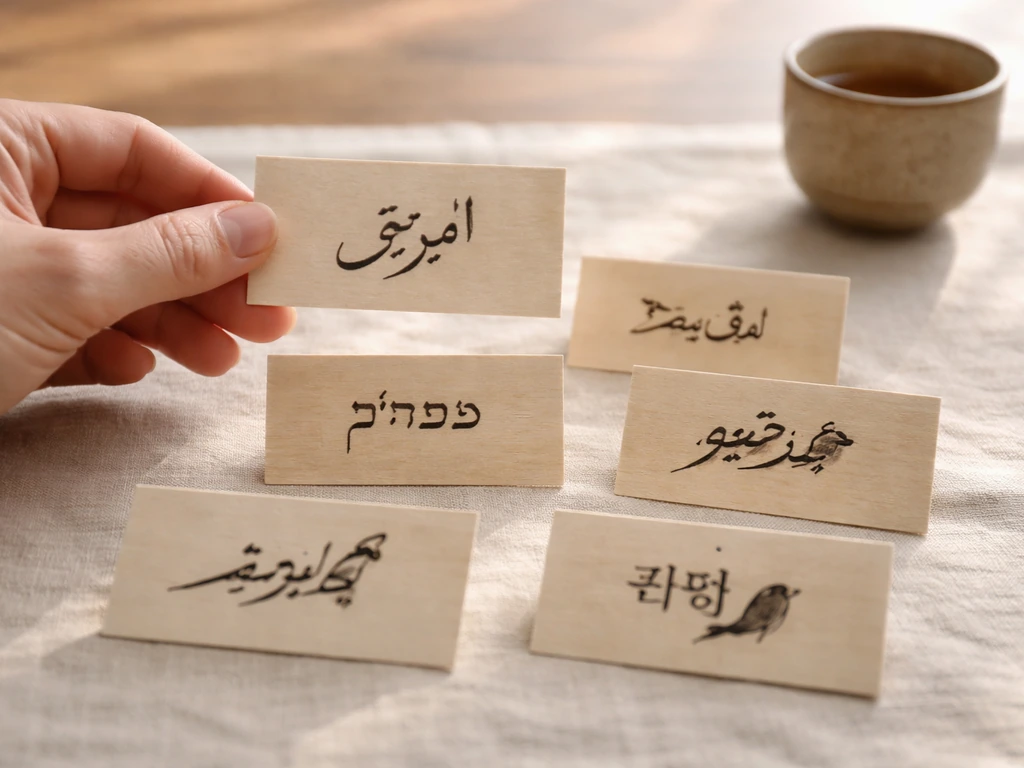
If you want something that feels less familiar or more culturally specific, these are real options with documented roots across several languages. Hebrew and Arabic are especially rich for fire and bird meanings. Spanish, Hindi, and Japanese each offer distinct phonetic flavors that can suit different birds.
| Name | Language | Meaning Connection | Notes |
|---|---|---|---|
| Yonah | Hebrew | Dove / pigeon (bird) | Biblical, used for any gender in modern naming |
| Nour / Nura | Arabic | Light / fire-glow | From nar (fire/light), soft sound |
| Altair | Arabic | Flying eagle (bird) | Star name, cross-cultural appeal |
| Anka | Turkish / Arabic | Mythical phoenix-like bird (Anqa) | Close to the Arabic firebird myth |
| Agni | Sanskrit / Hindi | Fire / fire god | Vedic root, used in modern Hindi names |
| Jyoti | Sanskrit / Hindi | Flame / light | Common Indian given name, means 'flame' |
| Fuego | Spanish | Fire | Descriptive rather than a given name, but used as pet names |
| Llama / Flama | Spanish | Flame | Descriptive fire term, usable as a playful pet name |
| Pyra | Greek | Fire | Feminine form of pyr, uncommon but documented |
| Hi no Tori | Japanese | Fire bird / phoenix | Literally 'bird of fire,' famous in Japanese pop culture |
| Feniks | Slavic / Polish | Phoenix | Direct phoenix variant in Slavic languages |
| Zhar | Russian | Heat / ember (fire half of Zhar-ptitsa) | Short, distinctive, works as a call name |
A few of these deserve extra attention. Anka (or Anqa in classical Arabic) refers to a mythical bird in Islamic tradition that parallels the phoenix, making it a genuine fire-bird name from a completely separate mythological tradition. Jyoti is extremely common as a given name in India and means 'flame' or 'light,' so it's a fire-meaning name with proven day-to-day usability. For Japanese speakers or anime fans, Hi no Tori ('bird of fire') is familiar through Osamu Tezuka's iconic manga, though as a call name for a pet it's three words and too long to use practically.
Picking a name your bird will actually respond to
This is where etymology meets real life. Pet bird training research and avian veterinary guidance consistently point in the same direction: one or two syllables works best, sounds ending in a bright vowel (like 'a' or 'ee') tend to carry better across a room, and the name needs to be something you'll say clearly and consistently dozens of times a day. A bird's name is also its primary training cue, so the cleaner and more distinct it sounds, the faster the bird associates it with attention and response.
Phoenix lands at two syllables with a hard 'P' at the front and a clear 'nix' ending, which is easy to project. Ember is two syllables with a strong first beat. Blaze is one syllable with a hard consonant, which cuts through ambient noise well. Zhar is one syllable but the 'zh' sound (like the 's' in 'measure') is unusual in English and may trip you up mid-training session. Agni and Jyoti are two syllables each and both end in vowel sounds that roll cleanly, making them solid choices if you like those cultural roots.
- Aim for one or two syllables: Phoenix, Ember, Blaze, Zhar, Agni, Jyoti, Nour, Hawk
- Prefer names ending in a vowel or bright vowel sound ('a,' 'ee,' 'oh') for easier projection
- Avoid names that rhyme with common commands like 'no,' 'go,' or 'stop'
- Say the name out loud fast, slow, and in a happy tone: it should feel natural all three ways
- Test it against your bird's species: a tiny budgie named Blaze works; a giant macaw named Dove is charmingly ironic but still works fine
- Repeat the name consistently in the same tone during bonding sessions to build recognition
How to check if a name really means what it claims to mean

This is genuinely important because the baby-name blog world is full of invented or stretched etymologies. A name described online as meaning 'fire bird' might actually mean 'gift from God' in the original language, with the fire-bird connection being a romanticized invention. Here's how to verify before you commit.
- Start with Etymonline (etymonline.com) for English-root names. It traces documented historical uses, not speculation.
- For Hebrew names, Chabad.org and academic sources like biblical lexicons (BDB, HALOT) give accurate root meanings. The name Yonah meaning 'dove' is confirmed in both.
- For Arabic names, look for entries in Hans Wehr's Arabic-English Dictionary or Lane's Lexicon rather than baby-name sites.
- For Sanskrit/Hindi names, check Monier-Williams Sanskrit Dictionary online, which is freely accessible.
- For any name, search for the root word (not just the name) in Wiktionary's reconstructed Proto-Indo-European or proto-language entries, which often trace chains of meaning more reliably than name-specific sites.
- Be skeptical of any site that lists a name's meaning without a language source or root word. A meaning claim without a root is a flag.
- Cross-check at least two independent sources. If both a scholarly dictionary and a reputable reference site agree, you're on solid ground.
A common trap: the name Aiden is sometimes listed as meaning 'little fire' from the Irish Aodhán (related to Aodh, a fire deity). Little bird name meanings often come from words for dove or sparrow, so it helps to match the root in the original language A common trap: the name Aiden is sometimes listed as meaning 'little fire'. That connection is real and documented. But many names get similar fire-associations invented for them simply because they sound warm or energetic. Always trace it back to the actual word root, not just the poetic description a naming blog assigned it.
The firebird in culture: names borrowed from pop culture and sports
The firebird concept has spread well beyond folklore, and that pop-culture layer is worth knowing if you're drawing naming inspiration from it. This broader “blank" rel="noopener noreferrer">Firebird)” pop-culture usage includes bands like The Firebird, an indie rock group from Chicago. Stravinsky's 1910 ballet 'The Firebird' (L'Oiseau de feu) is probably the most famous Western treatment of the Slavic myth, centering on the magical bird and Prince Ivan. The name Phoenix has been adopted by sports teams (the Phoenix Suns, the Arizona Coyotes' former city association), musicians, and characters across film and comics, which gives it a modern edge on top of the mythological depth.
The Pontiac Firebird turned the name into an American automotive icon, and Gibson's Firebird guitar is a beloved instrument shape, showing how the term works as a pure cultural shorthand for 'powerful and striking' without any mythology required. In Marvel Comics, the Firebird character (Bonita Juarez) uses the name explicitly tied to the fire-bird symbolism. Japan's Hi no Tori (Phoenix) manga by Osamu Tezuka is perhaps the most philosophically deep treatment of the fire-bird concept in pop culture, running from the 1960s through the 1980s and exploring life, death, and rebirth.
For pet-naming purposes, all of this pop-culture weight means that a name like Phoenix or Blaze carries cultural resonance that your bird's vet, your friends, and any bird-forum regulars will immediately 'get.' That recognizability is actually a practical asset: people remember the name, spell it correctly, and don't mispronounce it in ways that confuse your bird's training. If you're drawn to something less familiar, like Zhar or Anka, just know you'll be explaining the etymology at every vet visit, which is either charming or annoying depending on your personality.
Your shortlist: fire bird names worth serious consideration
If you want a practical shortlist to walk away with, here it is, ranked loosely by how well they balance etymological accuracy, day-to-day callability, and 'fire bird' resonance. Phoenix and Ember are the top two for most people. Blaze is ideal for a bold, loud bird. Zhar is the most linguistically precise option if you specifically want the Slavic firebird root. Altair is the best choice if you want the bird/flying meaning to lead rather than the fire meaning. Jyoti is the strongest pick if you want a South Asian root with a genuine 'flame' meaning and an easy call sound.
If you're exploring broader avian name traditions beyond fire specifically, the territory covered by names meaning bird, little bird, or bird of prey overlaps interestingly here. Many of the bird-root names in those spaces (Yonah, Altair, Falcon, Hawk) pair naturally with a fire-related nickname or second name. But for a single name that does the most work on its own, Phoenix is still the one that shows up at every intersection of myth, fire, bird, and recognizability.
FAQ
Is it okay to name my pet bird “Phoenix” or “Ember” if the bird is not red or orange?
Yes, the name can be symbolic rather than literal. If your bird is a different color, pick a fire cue that matches your experience (energy level, vocal volume, or how active it is), and keep the name short and consistent so training stays easy.
Which is easier for call training, one-syllable names like Blaze or two-syllable names like Phoenix?
Two-syllable names (Phoenix, Ember) are often easier to distinguish in casual conversation, but one-syllable names (Blaze) can cut through background noise. The best choice is the one you can repeat cleanly without rushing, since birds respond to timing and consistency more than “perfect” meaning.
What if I want the most “true” Slavic “fire bird” meaning, is Zhar the best pick?
Zhar is the closest phonetic option to the “zhar” heat or ember element, but it is also the one most likely to be mispronounced by English speakers. If you do choose it, decide on a pronunciation you will use every time (and correct family members), otherwise the name becomes unreliable as a training cue.
Are there common online mistakes where “fire bird” names are given incorrect roots?
Yes. The most frequent issue is romanticized meanings that sound right (heat, flame, rebirth) but do not match the actual original word. Before committing, confirm the root in the source language and check whether the bird-meaning part (dove, bird, or raptor) is truly part of the same name.
Should I choose a “bird meaning” name like Jonah or Falcon instead of a “fire meaning” name?
If your goal is “fire bird” as a concept, either works, but they behave differently in practice. Bird-meaning names (Jonah, Falcon, Hawk) stay closer to “avian identity,” while fire-meaning names (Ember, Blaze, Agni, Jyoti) communicate energy or color. Many owners combine them indirectly by adding a fire-themed nickname during play.
Can I use a name with a nickname, like Ignacio with Iggy?
Often, yes. The key is to train with one consistent primary cue. You can use Iggy affectionately, but during training sessions stick to the same chosen form, since switching between forms can slow recognition.
What about longer options like Hi no Tori, are they workable for a pet bird?
They are usually impractical as a daily call name because they are multiple words and take longer to say. A better approach is to take a shorter portion as the cue (for example, a one-word nickname you repeat consistently), while keeping the full phrase as a personal reference.
If my bird has a loud or high-pitched call, should I avoid certain sounds?
Consider avoiding names with sounds you find hard to project clearly (especially if your voice tends to soften). Bright, distinct endings and clear vowel closure typically work better. With unusual consonants like the “zh” in Zhar, do a quick test by saying the name at normal volume across the room, then again near the cage.
Do popular culture associations with Phoenix or Firebird matter for pet naming?
They usually help more than they hurt. Recognizability makes it easier for others to spell and say the name correctly, which reduces training confusion. If you prefer less attention, choose a more linguistically specific option (like Zhar or Anka) but be prepared to explain pronunciation.
How can I verify “fire” meanings if I only see the meaning in an English baby-name list?
Look for the original language root and whether the name is actually derived from that root rather than merely “associated with” it. If the listing mentions multiple possible origins or uses vague wording like “inspired by,” treat it as unverified and cross-check with a source that states the etymological derivation.