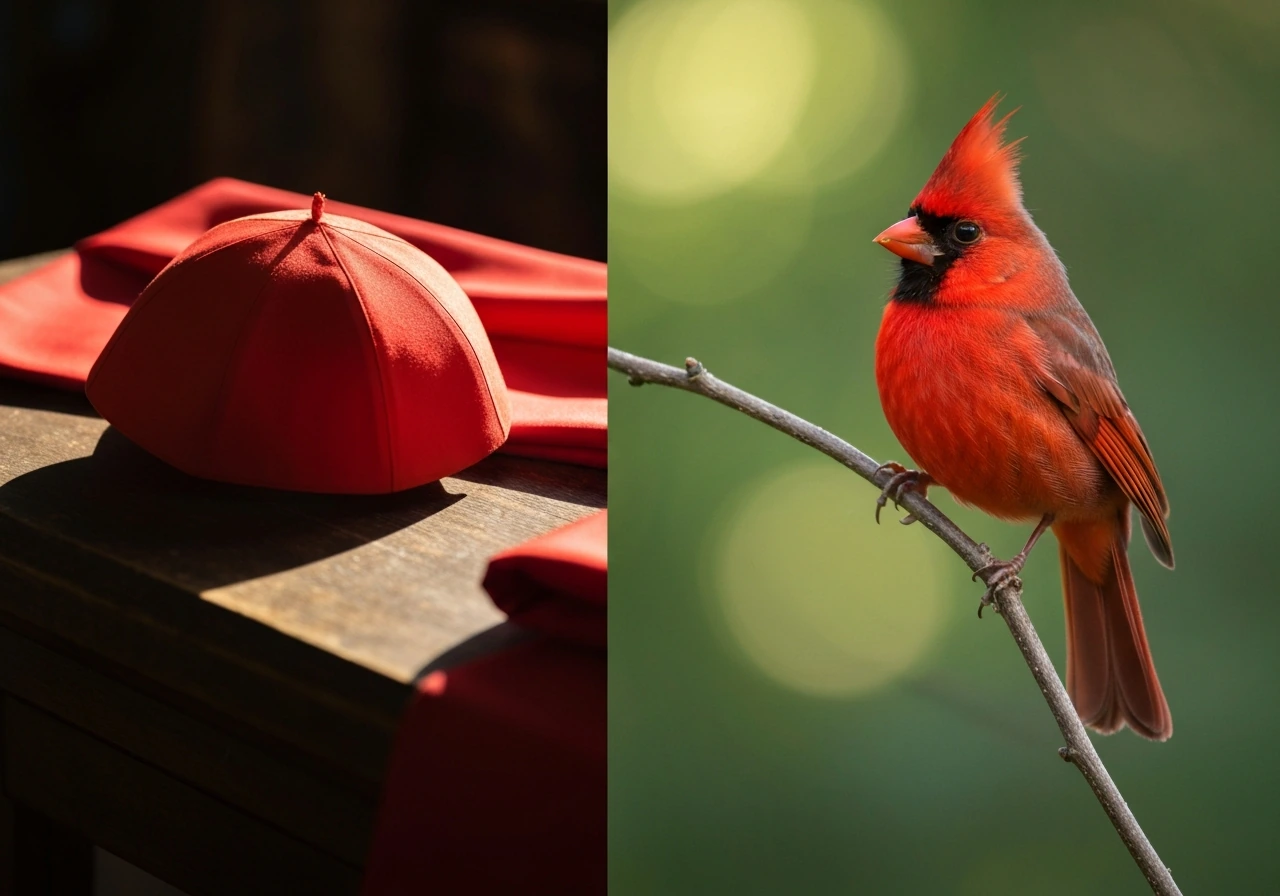
Yes, "bird" is a common noun. It refers to a general category of animal, not a specific named individual, so it gets no capital letter in a regular sentence and can take articles like "a" or "the." You'd write "I saw a bird" the same way you'd write "I saw a dog", lowercase, generic, no fuss.
Is bird a common noun? Meaning, examples, and quick checks

Maya Castellanos
14 May 2026
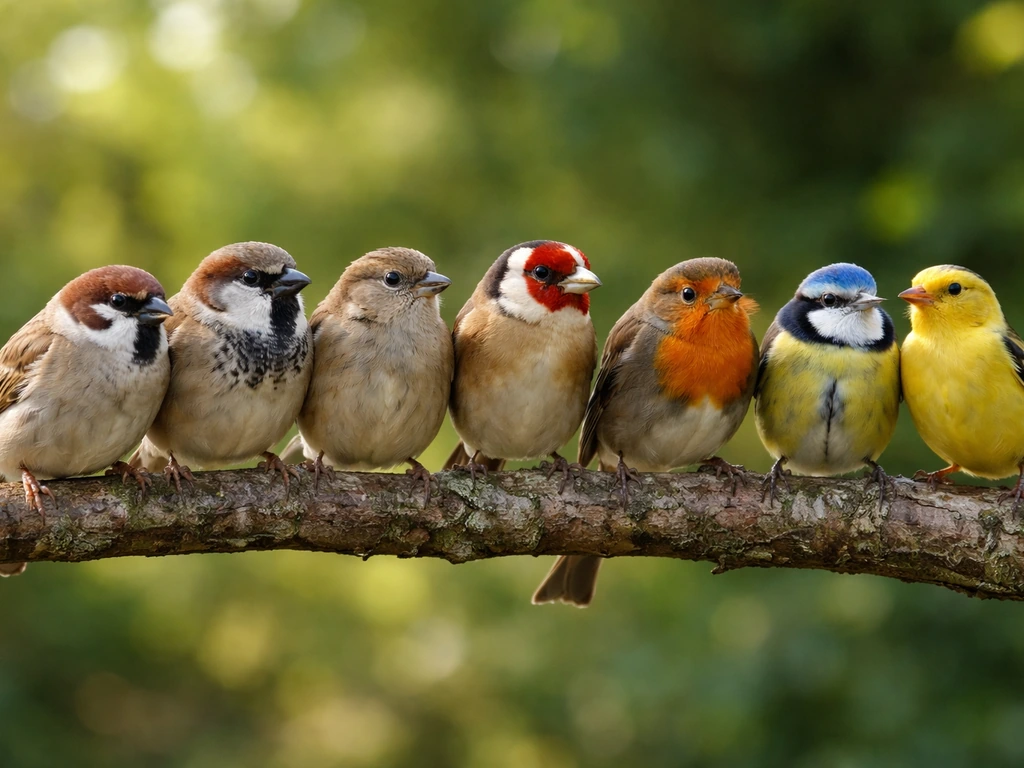
Common noun vs proper noun (the quick version)
A common noun names a general class of people, animals, places, or things. Cambridge English Dictionary similarly defines a common noun as one that refers to a general class of people, animals, or things rather than a specific named entity [A common noun names a general class of people, animals, places, or things. ](https://dictionary. cambridge.
org/us/dictionary/english/common-noun). It doesn't point to one specific, named entity. A proper noun, by contrast, names a particular person, place, or thing and almost always starts with a capital letter. Cambridge English Dictionary explains that a proper noun names a specific person, animal, or thing, which is why it contrasts with common nouns [proper noun names a particular person, place, or thing](https://dictionary.
cambridge. org/us/dictionary/english/proper-noun). Think of it this way: "city" is common, "Paris" is proper. "bird" is common, "Tweety" is proper.
The key test is specificity. Common nouns are broad. Proper nouns are pinned to one thing.
| Type | What it names | Capitalized? | Example |
|---|---|---|---|
| Common noun | A general class or category | No (mid-sentence) | bird, dog, tree, river |
| Proper noun | A specific, named entity | Yes | Tweety, Paris, Robin (a name) |
Why "bird" is definitely a common noun
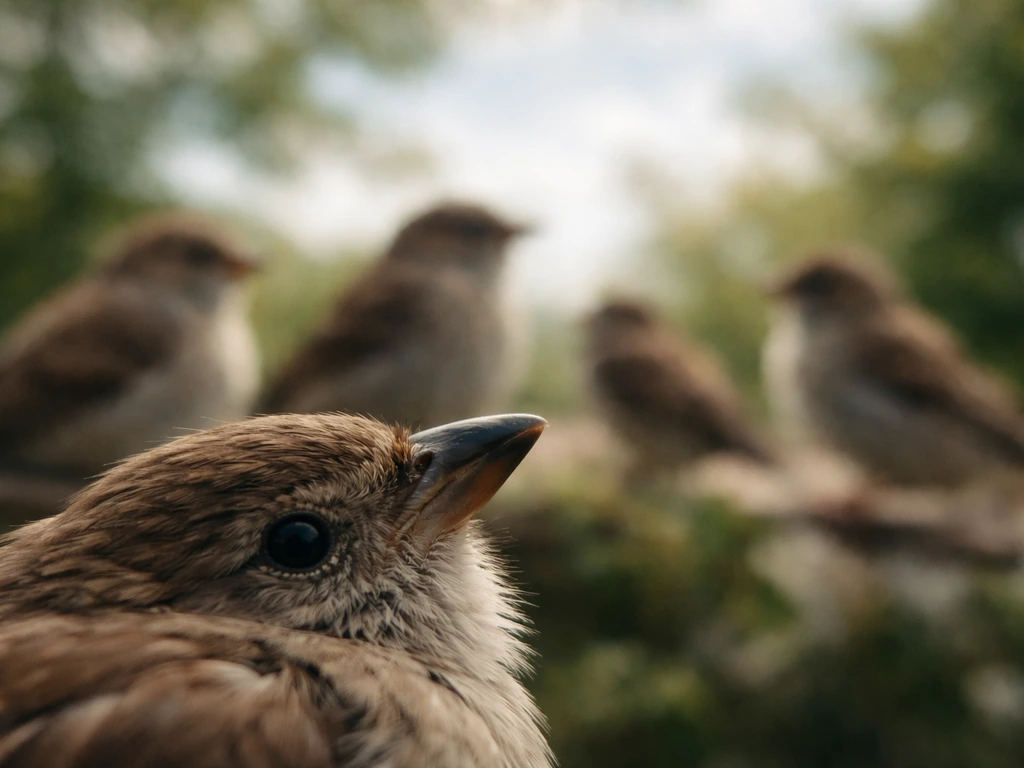
"Bird" describes any member of a huge class of feathered, egg-laying vertebrates. It doesn't tell you which one, where it lives, or what species it is. That generality is exactly what makes it a common noun. Merriam-Webster puts it plainly: a common noun refers to a person, place, or thing but is not the name of any particular one. "Bird" passes that test easily. You can slot it after "a," "an," or "the," you can pluralize it to "birds," and it never needs a capital letter when used in its ordinary sense. Nothing about the word points to a single unique creature.
Examples in everyday sentences and bird names
Here's what ordinary common-noun use looks like in practice. Notice the lowercase and the articles doing their usual job:
- A bird landed on the fence post.
- The birds were gone by morning.
- She has always loved watching birds.
- That was a very noisy bird.
- We counted twelve birds in the garden.
Now compare those to specific bird names. "Sparrow" on its own is still a common noun (same logic as "bird", it names a type, not an individual). But when you use a specific species common name like "House Sparrow," style guides treat that capitalization differently, which we'll get to in a moment. The word "bird" itself? Always common, always lowercase when you're just talking about the animal in general.
Edge cases: when "bird" or bird names get capitalized
Here's where it gets fun. Just because "bird" is a common noun doesn't mean you'll never see it with a capital B. If you want the plain grammar backdrop for why this happens, see how the article treats “is bird a proper noun” and capitalization tests for common versus proper nouns. Context can change things, and it's worth knowing why so you don't get tripped up.
Titles and nicknames: "The Bird"

Mark Fidrych, the charismatic 1970s Detroit Tigers pitcher, was famously nicknamed "The Bird." When a common word becomes a proper nickname for a specific person, it gets capitalized because it's now functioning as a proper noun. The capital letter signals that "The Bird" means one particular person, not any random bird. Same goes for titles of books, films, or albums: headline-style capitalization (per Chicago Manual of Style guidelines) capitalizes major words in a title, so "bird" would be capped if it appeared as a significant word in a title regardless of its grammatical category.
Sports teams and brand names
The Baltimore Ravens, the Philadelphia Eagles, the Louisville Cardinals, all team names that use bird words as proper nouns. Once a common noun is adopted as the official name of a specific organization, it shifts into proper-noun territory and earns its capital letter. "The Eagles scored last night" is not about a flock of birds; it's about a specific NFL franchise. Context is everything.
Species common names: a gray area worth knowing
This one is especially relevant on a site about bird names. Many ornithologists and birding publications capitalize the English common names of specific bird species, so you'll see "American Robin" and "House Sparrow" written with capitals. The MLA Style Center discusses this capitalization pattern specifically for bird common names, noting that many include place-name components that drive the caps. Whether to capitalize depends on your style guide and context. But the word "bird" used generically? Still no caps. And even when "House Sparrow" gets capitalized as a species common name, it's still technically a common name (as opposed to the scientific, binomial name), not a proper noun in the strict grammatical sense.
Plurals, articles, and compounds: how "bird" behaves grammatically
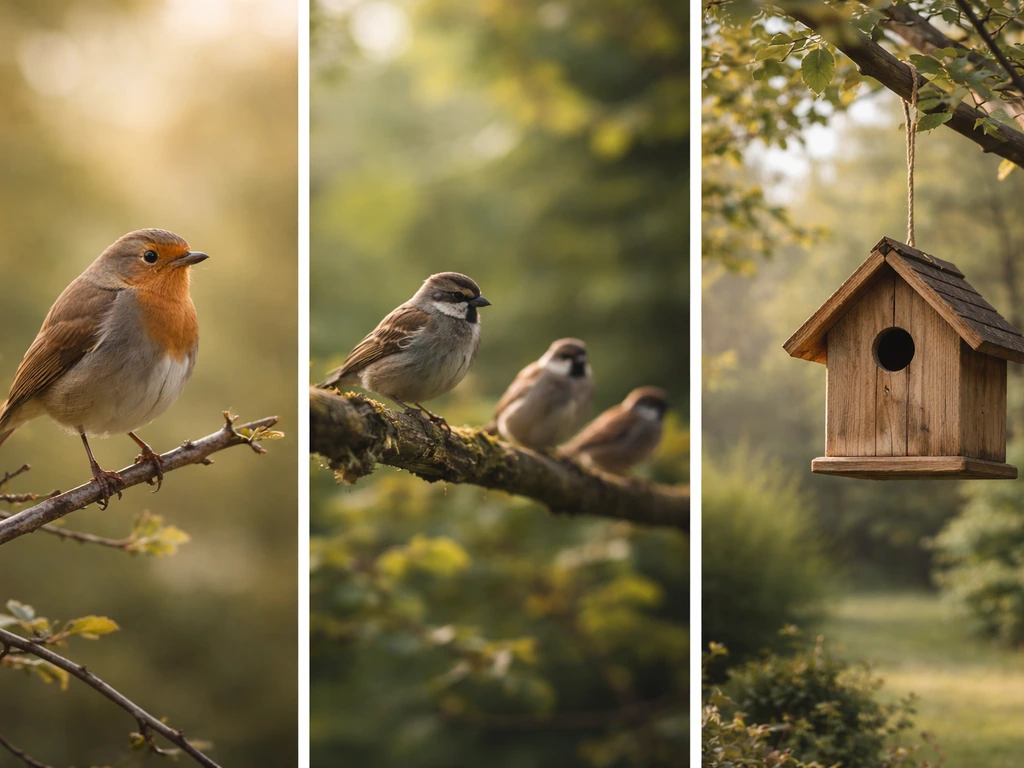
One of the clearest signs that "bird" is a common noun is how naturally it follows all the standard count-noun rules. It pluralizes to "birds" with no drama. That same kind of bird-name naming happens in other contexts too, including whether cardinals are named after the bird cardinals named after the bird. It takes "a" before the singular ("a bird") and "the" when you mean a specific one ("the bird in that tree"). You can say "some birds," "many birds," "those birds." None of this works with proper nouns, you'd never say "a Paris" or "some Tweedys."
"Bird" also works as the first element in compound words, all staying lowercase because the base word is a common noun. Birdhouse, birdcage, birdsong, birdbath, birdwatcher, Cambridge Dictionary lists "birdhouse" as a straightforward common count noun ("noun [C]"), which nails the point. The compound inherits the common-noun nature of its parts. When "bird" combines with another word to describe a general object or concept, there's no reason for capitals.
| Form | Example | Note |
|---|---|---|
| Singular | a bird / the bird | Takes articles like any count noun |
| Plural | birds / the birds / some birds | Regular plural, no irregularities |
| Compound (closed) | birdhouse, birdsong, birdbath | Lowercase throughout, common noun |
| Compound (open) | bird feeder, bird call | Still common noun, still lowercase |
How this connects to bird species naming
If you're into bird names specifically, the common vs proper noun question maps neatly onto the two main naming systems used in ornithology: common names and scientific (binomial) names. Both are different from each other, and "bird" sits at the most general, common-noun end of the whole spectrum.
Take the House Sparrow as an example. The U.S. Fish and Wildlife Service lists it with a common name (House Sparrow) and a scientific name (Passer domesticus). The common name "House Sparrow" is an English-language descriptive name, general enough that it refers to an entire species, not a single individual. The scientific name follows binomial nomenclature: the genus (Passer) is capitalized, but the species epithet (domesticus) is always lowercase, even at the end of a title. That formatting rule comes from international taxonomic convention, not standard grammar. "Bird" is even more general than either of these, it's the broad category above all species names.
| Level of specificity | Example | Noun type | Capitalized? |
|---|---|---|---|
| General category | bird | Common noun | No |
| Type/group | sparrow | Common noun | No (in general prose) |
| Species common name | House Sparrow | Common name (style-guide caps) | Often yes, per birding style guides |
| Scientific genus | Passer | Proper noun (taxonomic) | Yes, always |
| Scientific species epithet | domesticus | Part of binomial | No, always lowercase |
| Individual pet name | Tweety | Proper noun | Yes, always |
Quick self-checks you can run on any noun
If you're ever unsure whether a word is a common noun or a proper noun, run through these checks. They work on "bird" and on any similar word you might be puzzling over:
- Try the article test: can you put "a" or "the" in front of it in a normal sentence? "A bird," "the bird" — yes, easily. That's common-noun behavior. You can't say "a Paris" in normal usage.
- Try swapping in a vague replacement: can you say "some bird" or "any bird" without sounding odd? If yes, it's a common noun. Proper nouns resist that swap — "some Tweety" doesn't work.
- Check the capital letter: is it only capitalized because it starts a sentence, or does it always get a capital mid-sentence? "Bird" mid-sentence stays lowercase unless it's part of a proper name or title.
- Ask: does it name one specific, unique entity? If the word refers to a whole class of things (all birds, any bird), it's common. If it names one particular individual or organization, it's proper.
- Try pluralizing: common nouns typically pluralize normally. "Birds" works fine. Proper nouns usually don't pluralize in the same way (you don't say "the Parises" in everyday use).
Run these same tests on related words and you'll get consistent results. "Dog", common noun (a dog, the dog, some dogs). "Cat", common noun. "Sparrow", common noun in general use. "Robin" used as a person's name, proper noun. The patterns hold. And if you're wondering about related questions like whether bird names as a whole group are capitalized, or whether a specific bird like a robin or cardinal should be capped, those are great follow-up threads worth exploring because style guides have some genuinely interesting things to say about where common names and proper nouns blur together in ornithology.
FAQ
If I write “Bird” at the start of a sentence, is it still a common noun?
Yes. Capitalizing “Bird” at the start of a sentence is a rule of sentence position, not a sign it is a proper noun. In the middle of a sentence you would still write “bird” in lowercase when you mean the animal category.
Does “bird” become a proper noun if it appears in a book title like “The Bird”?
Often it will look capitalized because titles follow title-casing rules. That capitalization is formatting for a title, not proof that “bird” is functioning as a grammatical proper noun in normal sentence use.
Should I capitalize “bird” in a phrase like “Bird watching” or “bird watching” in general writing?
For ordinary writing, keep it lowercase as a generic activity, “bird watching.” Capitalize it only when it is the official name of a program, club, event, or a specific heading that your style guide treats as a proper title.
Is “the bird” common or proper noun in “the bird in that tree”?
It remains a common noun phrase. “The” just narrows which bird you mean in context, it does not make the word proper. Proper nouns refer to a specific named entity, like an organization name or a titled nickname.
What about “the Birds” when referring to a sports team or publication?
If “the Birds” is an official nickname, team name, or the title of a publication, it is being used as a proper-noun label, so capitalization is appropriate. If you mean birds in general, keep it lowercase, “the birds,” when it is generic.
Can “bird” be an uncountable noun, like “bird is rare here”?
In standard usage, “bird” is a count noun. You typically use “a bird,” “birds,” or “birdlife” for a general concept. If you write “bird is rare,” a reader may expect a count-based rewrite like “birds are rare” or “bird species are rare” to match common grammar.
Is “bird” still a common noun when used as a generic example, like “A bird is an animal”?
Yes, it stays common. This is generic use of a count noun, so you can use “a bird” or “birds” depending on whether you mean a typical member of the class or the class as a whole.
Do compounds like “birdhouse” always stay lowercase because “bird” is common?
In general, yes. Compounds that function as ordinary category words are written as common nouns in lowercase in normal sentences, like “birdhouse” and “birdbath.” You would only capitalize the whole compound if it is an official product name, title, or brand.
If a species common name includes “bird,” should the word “bird” itself be capitalized?
It depends on the specific species name capitalization pattern in your style guide and the convention of that publication. Often the entire species common name is capitalized in titles or headings, so “House Sparrow” has capitals, even though the underlying word “bird” is not a grammatical proper noun by itself.
What mistake do people commonly make with “bird” and capitalization?
They capitalize “bird” inside a normal sentence just because it appears as part of a named thing. The correct approach is to capitalize only when it is part of a proper label (nickname, team name, official title) or due to title-casing, otherwise keep “bird” lowercase.
Next Article
Are Cardinals Named After the Bird? Etymology Explained
No, Catholic cardinals and the red bird use the same Latin root for cardinal, not a bird-to-title naming.