Cute bird names tend to be short, soft-sounding, and just a little bit silly in the best way. Think Pip, Mochi, Biscuit, Sunny, Kiwi, Pudding, or Coco. The domestic canary article also explains that canary singing is organized into syllables or phrases and notes that the Spanish name “Timbrado” means “ringing,” from timbre the Spanish name “Timbrado” means “ringing”. They work because they're easy to say repeatedly (which matters a lot for training), they feel warm and personal, and they usually match something real about the bird, whether that's its color, its size, or the chaos it causes at 6am.
What Are Cute Bird Names? Ideas and How to Pick One

Maya Castellanos
20 Jun 2026
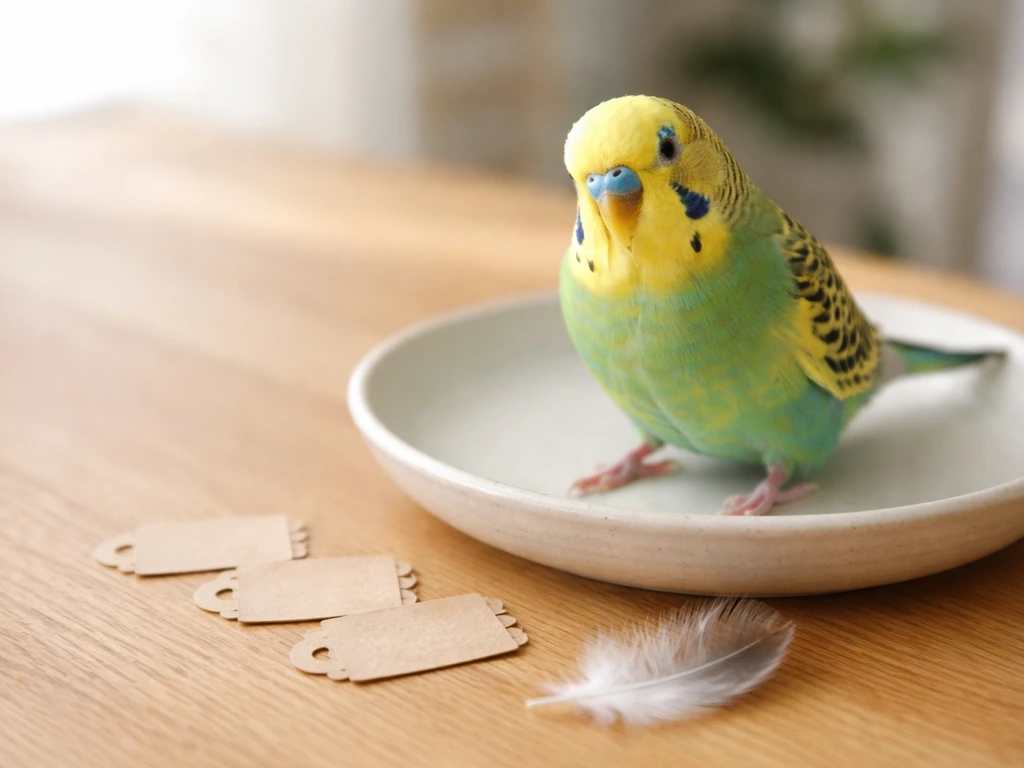
What actually makes a bird name 'cute'
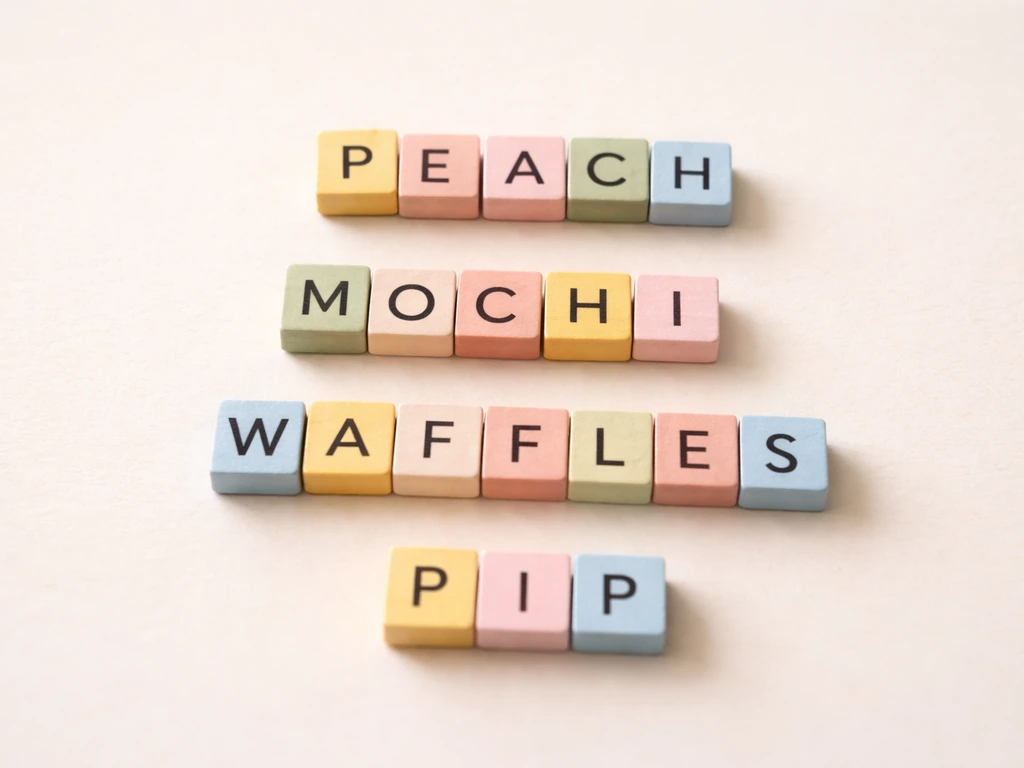
Cuteness in a name isn't random. A good way to start is by learning which bird name style you like most, then matching it to your bird's look and personality. Linguistically, names that end in a vowel sound (especially a long 'ee' sound) trigger what's called a diminutive response, the same psychological warmth we get from words like 'teeny,' 'sweetie,' or 'fuzzy.' In English, the '-y' and '-ie' suffixes are textbook diminutive markers, which is exactly why Birdie, Beanie, Sunny, and Pippy feel so naturally affectionate. Researchers studying diminutives across languages consistently point to this pattern as a cross-cultural cue for smallness and tenderness.
On top of that, short names (one or two syllables) just land better with birds. Pet bird trainers and avian care guides are pretty consistent on this: one- to two-syllable names are ideal for training and bonding because you say them constantly and your bird hears the same sound pattern each time. A name like 'Mango' is cleaner to repeat 40 times a day than 'Bartholomew.' There's also the soft consonant effect: names built around sounds like M, B, P, and W feel rounder and less harsh than names heavy in K, T, or hard G sounds. That's why Mochi, Boba, Pebble, and Waffles all sit so comfortably in the 'cute' category.
- Ends in an 'ee' or vowel sound (Sunny, Kiwi, Coco, Mochi)
- One or two syllables maximum for easy daily use
- Soft consonants like M, B, P, W give a warm, round feel
- Has a meaning that matches something real about the bird (color, vibe, size)
- Feels slightly playful or food-adjacent (humans love naming small animals after snacks)
Cute bird name ideas by vibe
Not all cute names hit the same note. Some are sweet and gentle, some are silly, some lean into the bird's tiny-ness, and some just feel cozy like a warm drink on a rainy day. Here's a breakdown by mood so you can find the vibe that fits your bird.
Sweet and gentle
- Peach
- Honey
- Blossom
- Sugar
- Mochi
- Pudding
- Daisy
- Maple
- Pip
- Buttercup
Funny and a little ridiculous (in the best way)
- Waffles
- Nacho
- Biscuit
- Pretzel
- Nugget
- Pickles
- Tater
- Crouton
- Dumpling
- Smudge
Names that lean into tiny-ness
- Pebble
- Dot
- Bean
- Sprout
- Itty
- Micro
- Pip
- Bitsy
- Nubbin
- Dinky
Cozy and warm
- Cinnamon
- Cozy
- Muffin
- Cocoa
- Hazel
- Walnut
- Mocha
- Biscotti
- Chai
- Autumn
Names that match how your bird looks and acts
One of the oldest tricks in bird naming (and genuinely good advice) is to let the bird tell you its name through its appearance or personality. Audubon's educational materials literally instruct beginners to 'give your bird a name based on what it looks like,' and that approach scales surprisingly well to pet birds. A name that describes something true about your bird also sticks better in your memory and feels more personal.
Color-based names
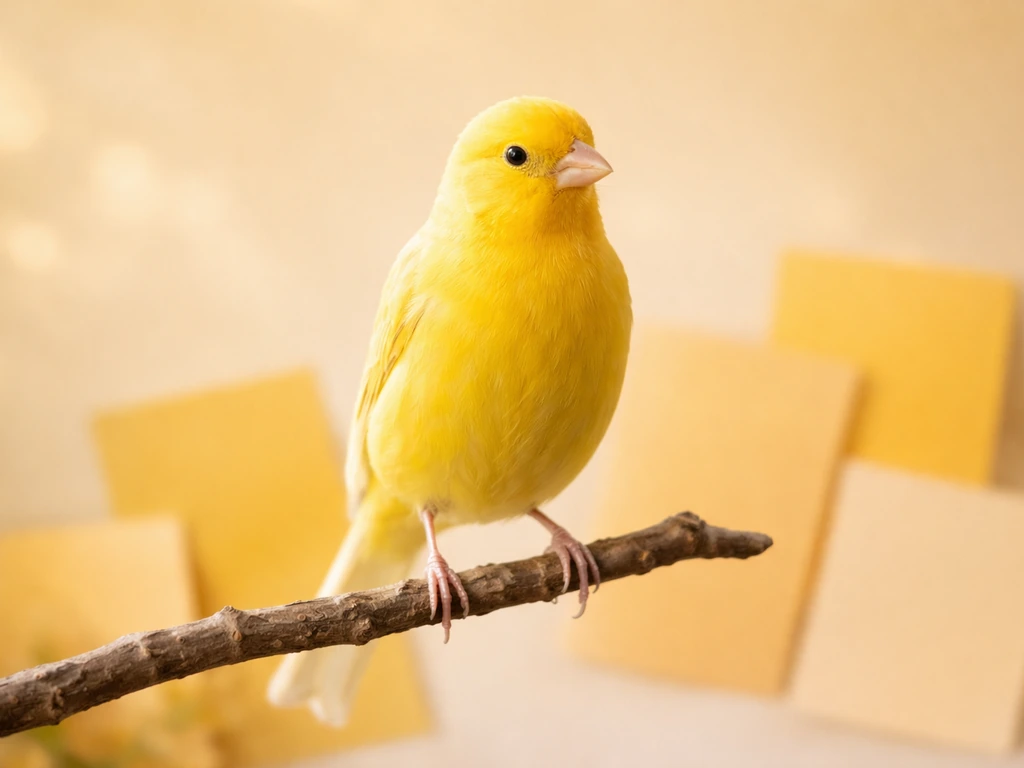
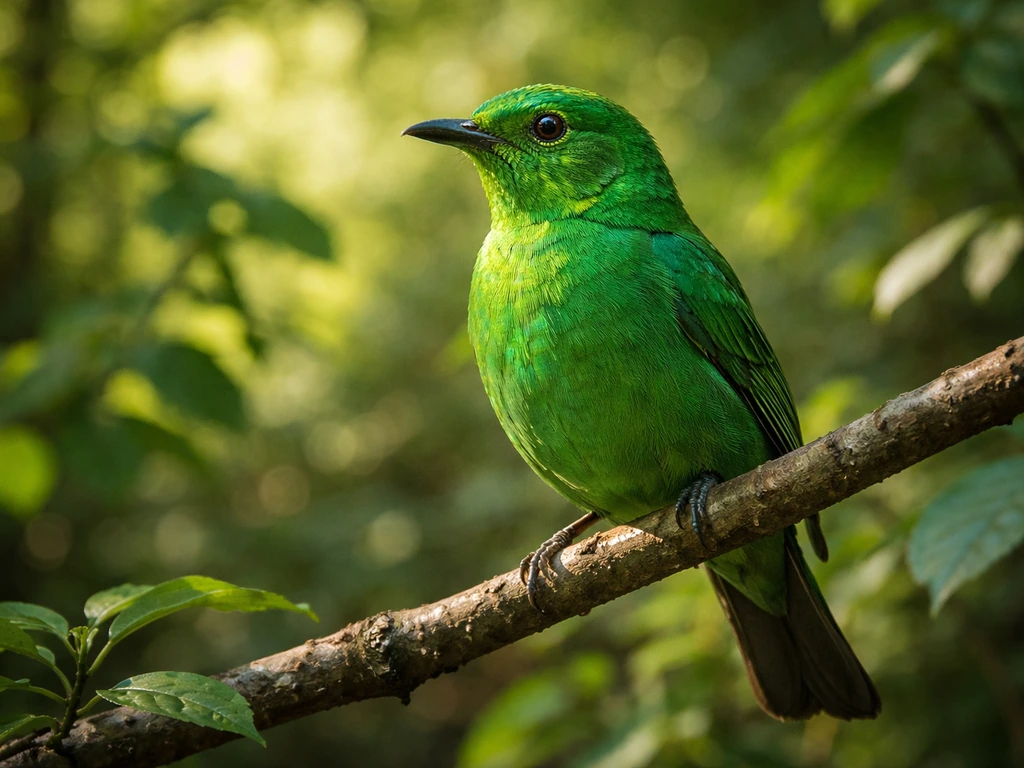
Color is the most obvious starting point. If your bird is yellow or golden, Sunny, Goldie, Saffron, or Citrus all work naturally. For green birds, Kiwi, Sage, Fern, or Pickle are charming picks. Blue birds suit Pearl, Sky, Bluebell, or Azure. White or grey birds lean beautifully into names like Pebble, Silver, Frost, or Ghost. For birds with speckled or mixed markings, Freckle, Pepper, Mosaic, or Patches fit well. Bird color guides note that even within one color family (like budgie blues or greens) there are subtle mutations and shades, so you can get even more specific: a soft lavender budgie might suit Lilac or Thistle perfectly.
Personality-based names
Some birds announce their personality within 48 hours of arriving home. The absolute chaos gremlin? Try Ruckus, Menace, or Gremlin (ironic cute names are their own genre). Black birds have their own cute-name vibe too, like names inspired by their color or common black-bird species black bird name. The bird that never stops making noise might suit Jangle, Chatterbox, or Echo. The affectionate, cuddly bird who wants to be on your shoulder constantly? Velcro, Limpet, or Snuggle. The aloof, dignified little creature who tolerates you at best? Earl, Duchess, or Majesty. Personality names work especially well once you've had the bird for a week or two and its character has shown itself.
Cute names by bird species
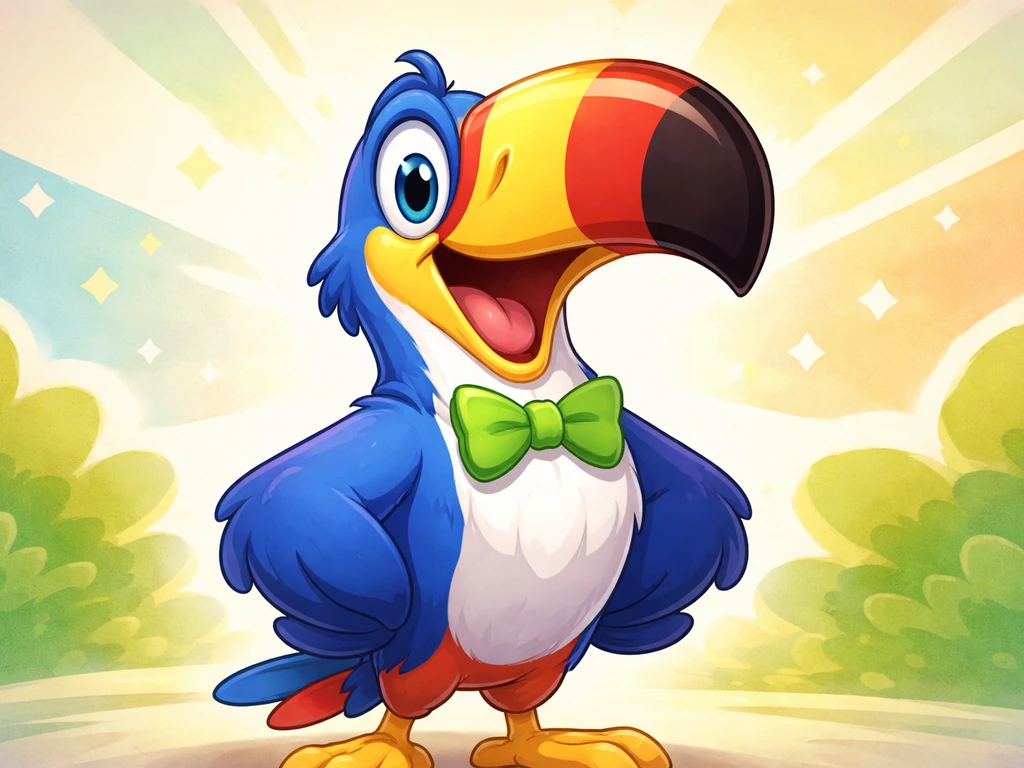
Different species have different energy, and the best name usually matches the bird's size and personality type. The classic “Froot Loops” bird is often referred to as Toucan Sam, and his name matches the brand’s bright, tropical vibe. Here's a quick reference list organized by common pet bird species.
| Species | Cute Name Ideas | Why They Work |
|---|---|---|
| Budgerigar (Budgie) | Pip, Sunny, Mochi, Biscuit, Kiwi, Jellybean | Short, bright names match their energetic, chirpy nature and are easy to repeat during training |
| Cockatiel | Cinnamon, Peaches, Pebble, Biscotti, Hazel, Dusty | Cockatiels are warm and cuddly; cozy food and nature names fit their gentle temperament |
| Lovebird | Honey, Sugar, Mango, Boba, Peanut, Cupid | Pairs or solo lovebirds respond well to sweet names that reflect their affectionate behavior |
| Canary | Sunny, Trill, Lark, Melody, Biscuit, Goldie | Song-focused names celebrate their singing; color names work for yellow canaries especially |
| Finch | Dot, Bitsy, Sprout, Pebble, Pip, Freckle | Tiny and quick; small-sounding names with soft consonants suit their delicate size |
| Conure | Mango, Nacho, Taco, Ruckus, Zesty, Paprika | Conures are loud and bold; bright, energetic names with a bit of spice reflect their personality |
| African Grey | Sage, Earl, Coco, Professor, Hazel, Biscuit | Intelligent and observant; names with a slightly dignified or cozy feel work well |
| Amazon Parrot | Mango, Salsa, Guava, Verde, Coco, Lemon | Tropical fruit and plant names match their vivid colors and lively personalities |
Where these names actually come from (the etymology is genuinely interesting)
Part of what makes this site tick is that names mean something, and knowing the origin of a name can make it feel even more right. Here are the language roots behind some of the most popular cute bird names.
Peach traces back through Middle French and Medieval Latin all the way to the Latin phrase 'mālum Persicum,' meaning 'Persian apple.' Persians were famous in the ancient world for their orchards, and the fruit literally carried the name of its origin across Europe. Naming a soft, warm-colored bird Peach is, in a roundabout way, giving it a name with ancient geography baked in.
Mango has an equally well-traveled etymology. The English word comes from the Portuguese 'manga,' which itself came from the Malayalam or Tamil word built from 'mā' (mango tree) plus 'kāy' (unripe fruit). So Mango is essentially 'mango-tree fruit' distilled into one punchy syllable in English. It's a great name for a green or orange bird with tropical energy.
Kiwi refers to the flightless New Zealand bird (Apteryx), and the word comes from Māori, where it's considered onomatopoeic, meant to echo the bird's call. The fruit was named after the bird because of its similar brown, fuzzy exterior. So if you name your bird Kiwi, you're actually borrowing a bird name to name another bird. That's its own kind of poetic.
Coco and Coco-derived names (Cocoa, Coquette) come from the Spanish and Portuguese 'coco,' originally a word for a grinning face or grotesque head, used to describe the coconut's face-like shell. Over time it softened into a generic term of endearment and a sound-name for warmth and sweetness. It's also related to the name of the cockatoo family in some naming lineages.
Pip is a lovely old English word with multiple meanings: the seed of a fruit, a small spot (as on a playing card), and historically a squeaking call. All three meanings work perfectly for a small bird. It's one of those names where every single etymology fits the animal you're naming.
On the scientific naming side, it's worth noting that official English bird names follow standardized conventions managed by bodies like the American Ornithological Society, which governs how common names are assigned and updated. Pet bird nicknames operate in a completely different register: they're personal, affectionate, and governed only by what makes you smile when you say it out loud. The '-y' and '-ie' endings you see in so many pet names (Sunny, Birdie, Biscuity) are a direct expression of English diminutive grammar, the same linguistic mechanic that gives us 'teeny-weensy' and 'sweetie-pie.' They signal affection and smallness simultaneously, which is exactly the energy a good bird name needs.
How to come up with your own cute bird name
If nothing on a list feels quite right, here's a simple process that actually works. It takes about ten minutes and results in a shortlist you can test with the bird directly.
- Write down three things you notice about your bird: its main color, one physical quirk (tiny feet, big eyes, fluffy head), and one personality trait you've already spotted (loud, shy, bossy, cuddly).
- For each of those three things, brainstorm two or three words or objects that remind you of them. A yellow fluffy bird might give you: lemon, butter, dandelion, cloud, marshmallow, popcorn.
- Run those words through the 'cute filter': is it one or two syllables? Does it end in a vowel or 'ee' sound? Can you add a '-y' or '-ie' to make it feel warmer? Lemon becomes Lemony. Butter becomes Buttercup or just Butter. Dandelion becomes Dandi.
- Narrow to three candidates and say each one out loud ten times in a row, as if you're calling the bird. The one that feels least awkward after ten repetitions is probably the right one.
- Test it with the bird. Say the shortlisted names near the cage over a few days (during feeding or play time, when the bird is relaxed) and watch for any reaction, a head tilt, a step closer, a whistle back. Birds don't always respond immediately, but within one to three weeks of consistent use they'll start to recognize a name.
- Commit and use it consistently. Parrots and many other pet birds learn their names through repetition in context, hearing the name paired with positive interactions. Short training sessions work better than one long one, so weave the name into every feeding, every play session, every hello.
A quick note on timing: younger birds and those who already trust you tend to pick up their names faster, sometimes within a week. Older or newly rehomed birds may take closer to three weeks. The RSPCA's bird training guidance echoes this: let the bird set the pace, keep sessions short, and stay consistent. The RSPCA also recommends using multiple short training sessions over several days, since birds can be suspicious of new objects appearing suddenly keep sessions short. The name doesn't need to be clever. It just needs to be yours, and the bird's.
If you're focused on finding the single best name rather than a list, or you want options specifically for female birds, those are their own rabbit holes worth exploring separately. If you want options specifically for female birds, check out the best female bird names for inspiration that fits their personality. And if you're curious about how bird names work in popular culture, from cartoon birds to cereal mascots, that world has its own surprisingly rich naming history too.
FAQ
How many syllables should a cute bird name be for training?
Stick to one or two syllables when possible. Longer names can work, but they tend to be harder for birds to distinguish consistently, especially if you use the name during moments of excitement (like feeding or step-up). A good test is saying it clearly 10 to 20 times in a row, without trailing off.
Are names that sound “soft” actually easier for birds to learn?
Often, yes. Birds generally respond better to names that have a clear, repeatable rhythm and prominent sounds. Names built around easy-to-articulate consonants (like M, B, P, and W) and vowel-heavy endings are typically smoother to say consistently, which matters more than fancy meaning.
What if my bird is already bonded to a different name from the previous owner?
You can keep the old name as a basis and add a new nickname, rather than changing everything at once. Try pairing the new name with the bird’s current response, same time of day, same reward. Once the bird reacts reliably to the new cue, you can slowly reduce use of the old one.
Can I use a two-word cute name, like “Little Pip” or “Sunny Buddy”?
You can, but make it function like one cue. Keep the word order fixed, say both parts with the same pace every time, and avoid inserting pauses. If your bird starts responding only to the second word, shorten it to a single consistent cue.
Should I choose a gendered cute bird name right away?
Not necessarily. If you are not sure of sex yet, you can choose a name that fits behavior more than biology, like “Snuggle” or “Echo.” If you learn your bird’s sex later, switching is easier if you already use the name during calm, consistent routines (and you introduce any new name gradually).
What should I do if my bird never seems to respond to the name?
First, check timing and clarity. Use the name right before a reward, step-up opportunity, or familiar routine, and keep sessions short. Also avoid saying the name repeatedly without reinforcement, because that can turn the sound into background noise. If the bird does not respond after a couple of weeks of consistent pairing, test a shorter or more distinct-sounding option.
Are ironic cute names a bad idea for training?
They are not bad by default. The risk is not the irony itself, it is inconsistency. If you sometimes shorten the ironic name, sometimes change it, or use it only when you are annoyed, your bird will learn that inconsistency rather than the cue. Keep one version of the name for training moments.
Is it okay to base the name on color if my bird changes shades over time?
Usually, yes, but plan for minor changes. Many pet birds look different after molts or during different lighting, so choose a name tied to a stable trait (like “Pepper” for markings or “Silver” for overall tone) rather than a hyper-specific detail that may fade.
What is the fastest practical way to shortlist cute bird names?
Make a short list of 3 to 6 names and run a simple daily test. Each day, use one name during the same routine (for example, before offering a favorite treat), and keep everything else the same. After about 1 to 2 weeks, pick the name that reliably gets attention without you having to repeat it many times.