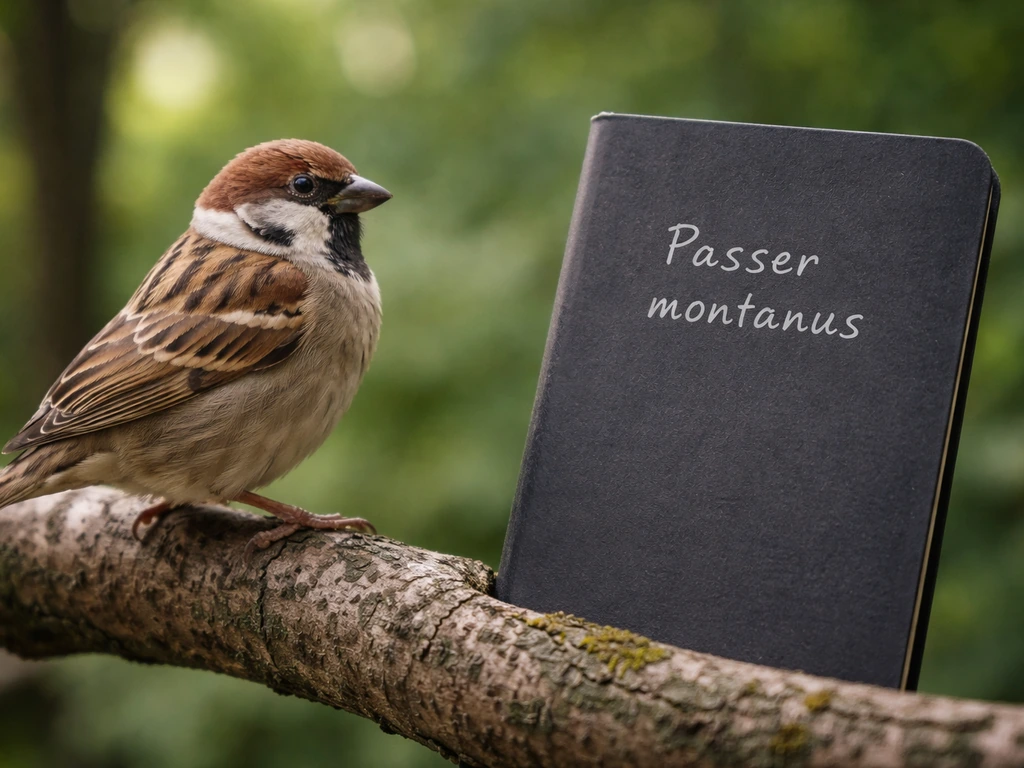
The word "bird" has nothing to do with flight, feathers, or anything obviously avian. It's a linguistic accident of history: "bird" evolved from the Old English word "bridd," which meant a young bird or chick, and gradually replaced the older, more general word "fugol" (the ancestor of our word "fowl") over several centuries. Meanwhile, the names of individual bird species follow completely different rules, drawn from sounds, behaviors, colors, habitats, and the names of real people. So the short version is: English speakers call them birds because language changed, and individual birds got their names for wildly different reasons depending on who named them first.
Why Is a Bird Called a Bird? Word Origin and Naming

Maya Castellanos
11 May 2026
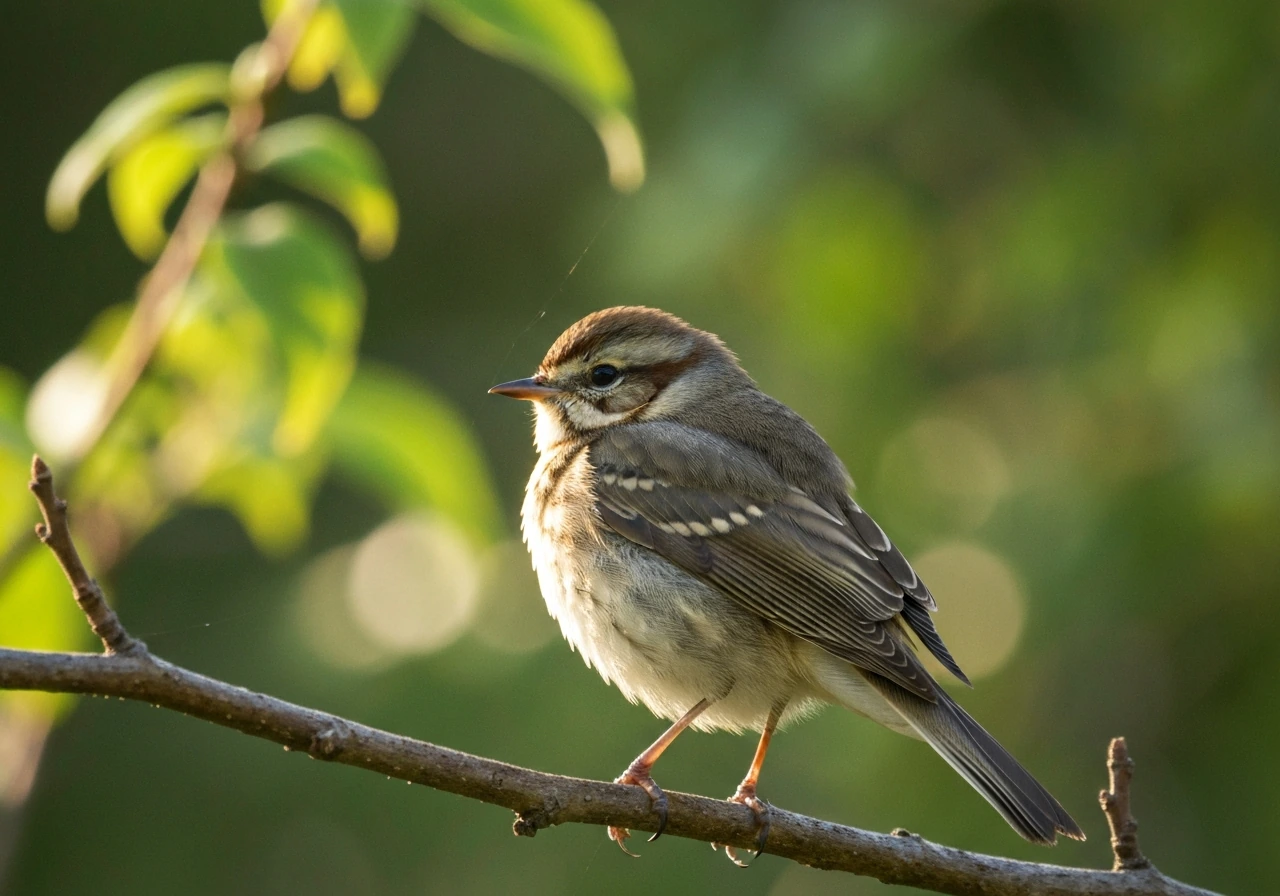
What "bird" actually means in everyday English
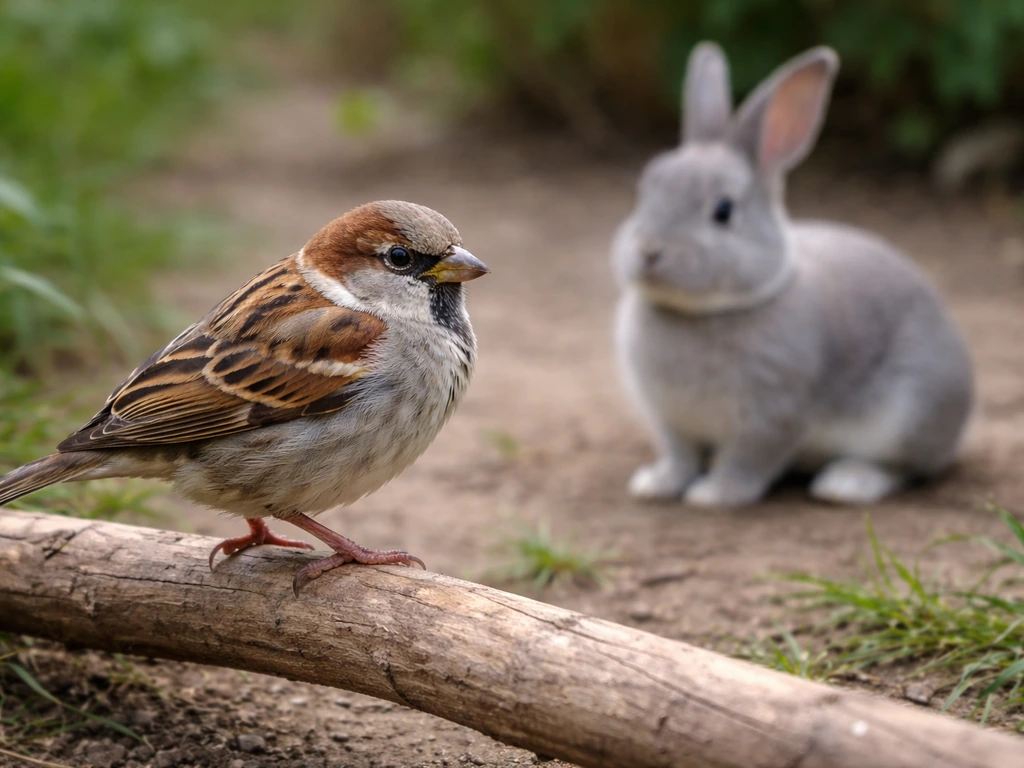
In modern everyday use, a bird is an animal covered with feathers, with two wings and two legs. That's the Oxford Learner's Dictionary version, and it's a solid working definition for most purposes. Merriam-Webster gets more technical: birds are warm-blooded, egg-laying vertebrates with feathers and forelimbs modified as wings, belonging to the class Aves. Britannica adds a four-chambered heart to the list of distinguishing traits. If you meant the English word itself, the phrase you want is simply “a bird.”.
The Cambridge Learner's Dictionary is notably more cautious, saying birds are "usually able to fly," which is the right hedge. Ostriches, emus, penguins, and kiwis are all birds, but none of them fly. What unifies them isn't the flying, it's the feathers. No other living animal on Earth has feathers, which makes that single trait the cleanest defining feature of the group. If you're ever trying to explain what a bird is to someone, lead with feathers, not flight.
Where the word "bird" actually comes from
This is the part that surprises most people. The word "bird" did not originally mean what it means now. In Old English, around the 9th and 10th centuries, the common word for a bird (the general animal) was "fugol," which is directly related to modern German "Vogel" and Dutch "vogel." The word "bridd" existed alongside it, but it specifically referred to a young bird, a nestling or chick, not a bird in general. Wiktionary describes bridd (Old English) as meaning “chick; young bird/fledgling,” and notes it as the narrower sense compared with the general Old English term for birds, fugol bridd specifically referred to a young bird.
Somewhere between the 12th and 14th centuries, "bridd" (by then evolving into "brid" and then "bird" through a process called metathesis, where sounds swap positions) started being used for adult birds as well. The older word "fugol" didn't disappear entirely, it just narrowed in meaning and became "fowl," which today refers mainly to domesticated birds raised for meat and eggs. "Bird" expanded to cover everything, and that's the version that won.
Metathesis, that sound-swapping process, is the same reason we say "third" instead of "thrid" and "dirt" instead of "drit." It's a completely normal feature of how languages change over time, with no special logic behind it. "Bridd" became "bird" just because that's how mouths tend to move when pronouncing consonant clusters quickly. Language is less deliberate than most people assume.
Bird vs fowl vs avian vs birdlike: what each word actually signals
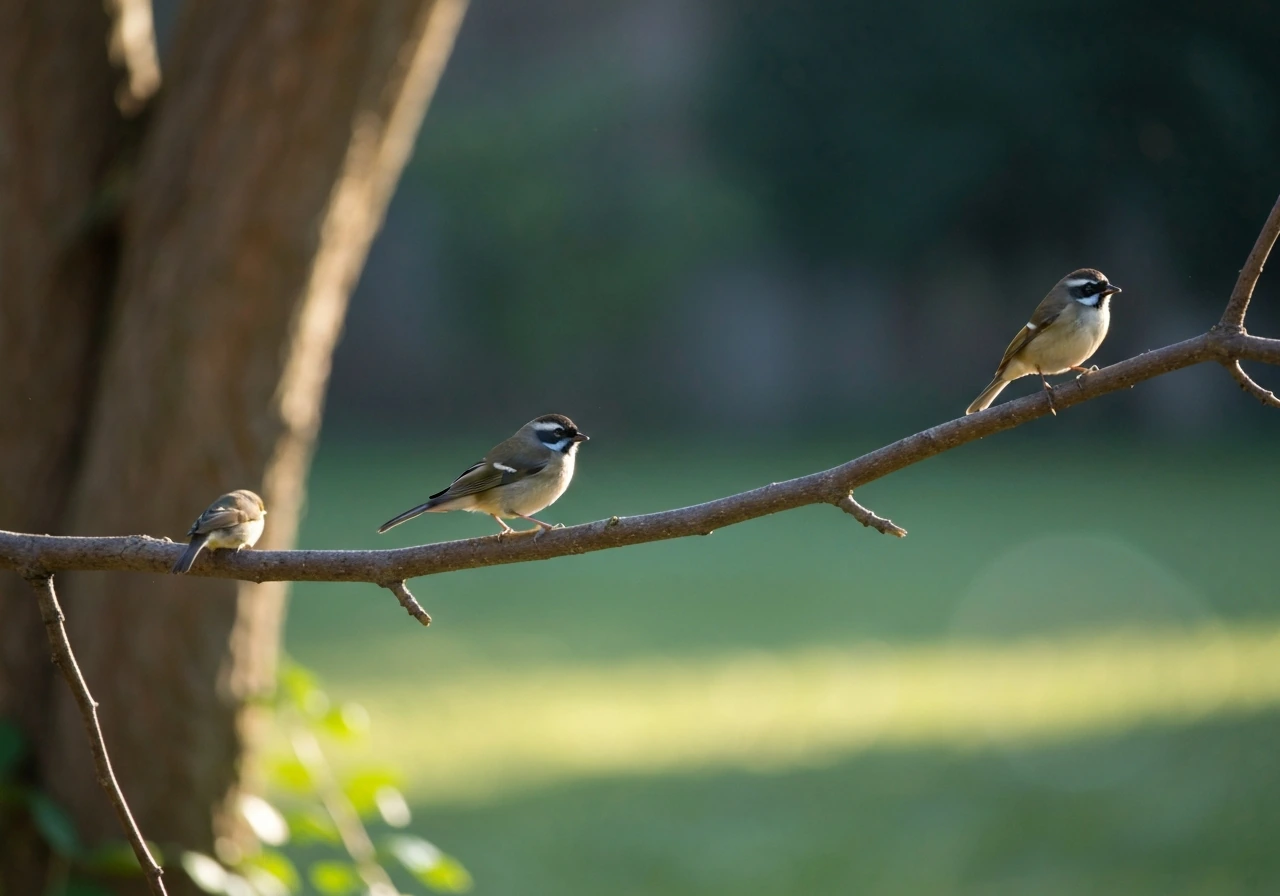
These four terms get mixed up constantly, so here's how they actually break down in usage.
| Term | Origin | What it covers | Typical context |
|---|---|---|---|
| Bird | Old English bridd (young bird) | All members of class Aves | Everyday speech, general use |
| Fowl | Old English fugol | Domesticated birds (chickens, ducks, turkeys, geese) | Cooking, farming, hunting |
| Avian | Latin avis (bird) | Anything relating to birds as a scientific category | Scientific, medical, technical writing |
| Birdlike | English compound | Something resembling a bird in appearance or behavior | Descriptive, informal |
The practical upshot: if you're talking to a vet or reading a research paper, you'll see "avian" everywhere (avian flu, avian anatomy). If you're ordering at a restaurant or reading a recipe, "fowl" covers the edible domesticated species. "Birdlike" shows up in nature writing and casual description. And "bird" is the catch-all that works in any context. None of them are wrong, they just carry different registers and histories.
"Avian" deserves a special note because its Latin root "avis" is also the source of the scientific class name Aves, as well as words like "aviation" (yes, airplanes were named using the bird word, not the other way around). So when someone asks why birds are called avians in scientific contexts, the answer traces straight back to classical Latin.
How bird species actually get their names
Every bird species carries two parallel naming systems: a common name (the one most people know) and a scientific name (a two-part Latin or Latinized label used by researchers worldwide). They operate by completely different rules and often have nothing to do with each other.
Common names: local, historical, and wildly inconsistent
Common names were mostly invented by the people who lived alongside a species, and they reflect whatever struck those people as most memorable: a sound, a color, a behavior, a place, or even a person. They vary enormously by language and region. What Americans call a "loon," Canadians also call a loon, but the British call a nearly identical bird a "diver." The same species can have dozens of common names across different English-speaking communities.
Scientific names: stable, standardized, and usually descriptive
Scientific names follow the binomial system established by Carl Linnaeus in the 18th century. Each species gets a genus name and a species name, both usually Latin or Greek, sometimes Latinized from a person's name. For example, the American Robin is Turdus migratorius, meaning "migratory thrush." The scientific name is the same in every country and every language, which is exactly the point: it removes ambiguity. If you want to dig deeper into how this system works across all bird species, the full breakdown of scientific bird naming conventions is covered in detail in the related piece on what the scientific name for a bird actually is.
Why specific birds got their names: the real reasons
Bird species names cluster into a handful of origin types. Once you know the patterns, you start seeing them everywhere.
- Sound imitation (onomatopoeia): The Cuckoo is named for its call, full stop. The Chickadee is named for its "chick-a-dee-dee-dee" alarm call. The Whip-poor-will repeats its own name. These are some of the most intuitive bird names in English.
- Appearance and color: The Redstart, the Yellowthroat, the Painted Bunting, the Indigo Bunting, and the Scarlet Tanager all describe themselves visually. The Robin's red (actually orange) breast gave it its common name across the English-speaking world.
- Behavior: The Nuthatch climbs down tree trunks headfirst. The Oystercatcher pries open shellfish. The Kingfisher dives for fish from a perch. The name usually describes the most distinctive thing the bird does.
- Habitat: The Marsh Wren, the Mountain Bluebird, the Wood Duck, and the Cliff Swallow all tell you exactly where to look for them.
- Named after people (eponyms): Bullock's Oriole, Wilson's Warbler, Steller's Jay, and Townsend's Solitaire are all named after naturalists and explorers. This was especially common in the 18th and 19th centuries when European and American ornithologists were describing species new to Western science at a rapid pace.
- Historical or cultural reference: Some names are older borrowings from other languages, often reflecting Indigenous names or colonial-era descriptions. The word "penguin" itself has uncertain origins, possibly from Welsh "pen gwyn" (white head) applied to a now-extinct bird before being transferred to the Southern Hemisphere species.
If you've ever wondered why so many bird names seem odd or counterintuitive, you're not alone. If you want the full etymology behind those mismatches and surprises, see the detailed breakdown of why bird names are so weird why so many bird names seem odd or counterintuitive. The related piece on why bird names are so weird goes into some genuinely entertaining detail on the stranger corners of avian nomenclature, including names that were applied by mistake, transferred from entirely different animals, or chosen by scientists who apparently just wanted to honor their friends.
The Secretary Bird is a particularly good example of a name that raises immediate questions: it was likely named for the long quill-like feathers behind its head, which resembled the quill pens that 19th-century clerks (secretaries) wore behind their ears. If you want the full answer to the secretary bird why named question, it comes down to the bird's distinctive head-feathering and the pen-like look it gave clerks. The naming of individual species really does follow its own fascinating logic, and the Secretary Bird's story is explored in full in a dedicated piece on how it got its name. If you are specifically curious, the full answer is how did the secretary bird get its name how it got its name.
Choosing a name for your pet bird: a practical guide
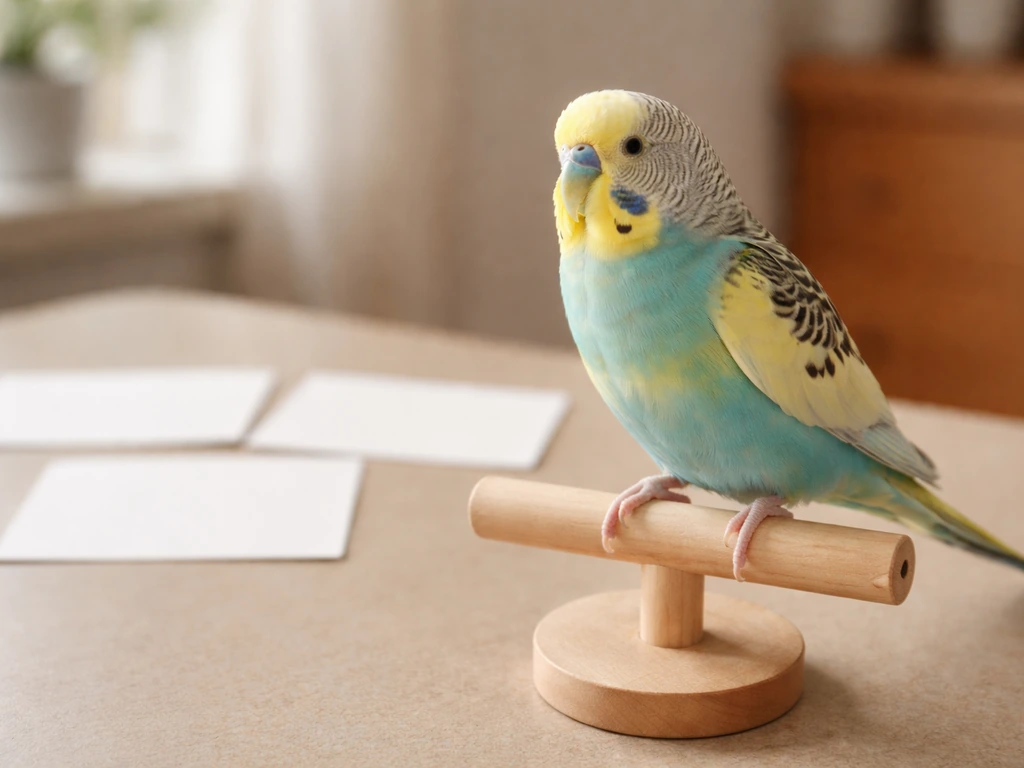
If you have a pet bird and you want a name that feels meaningful rather than arbitrary, bird etymology is actually a great place to start. Most great bird names in the wild came from exactly the kind of observation you can do at home: watching what your bird does, how it sounds, what it looks like, and how it behaves.
Name strategies that actually work
- Describe what you see first. Look at your bird's dominant color, its markings, or its most striking physical feature. A bright yellow bird might become Saffron, Citrus, or Mango. A bird with a distinctive crest might become Plume or Corona. This is exactly how many species got their common names.
- Listen before you name. Spend a few days noticing what sounds your bird makes most often. A bird that clicks, chatters, or whistles has given you naming material. Onomatopoeic names like Chirp, Pip, or Ziki (a sound-based name from Swahili bird naming traditions) feel earned.
- Watch the behavior. A bird that bobs its head, hangs upside down, or hops in a distinctive way is showing you a name. Tumbler, Flipper, or Dash all come from this approach, and they match the logic behind names like Nuthatch or Wagtail.
- Borrow from scientific Latin or Greek. Scientific names are full of elegant descriptive words. "Parus" means tit or small bird, "corvus" means raven or crow, "cyaneus" means blue, "rufus" means red. Pulling a name from classical roots gives it a real etymological grounding.
- Use a geographic or cultural reference that means something to you. Many bird species are named after places or people. Naming your bird after a place you love, or using a word from a language that matters to you, follows this same tradition. Just make sure you know what the word actually means before committing.
How to look up the origin of any bird name
If you want to find out where any bird's name (or a potential name for your pet) comes from, the fastest reliable path is: check the Online Etymology Dictionary (etymonline.com) for English word roots, then cross-reference with the IOC World Bird List for the species' official scientific name, and finally run the Latin or Greek components through a basic Latin dictionary. World Bird Names’ IOC World Bird List is an evolving reference for species and English name updates. For most common species, a search of the species name plus "etymology" will also surface reliable ornithological sources. James Jobling's "Helm Dictionary of Scientific Bird Names" is the gold standard reference if you want full scientific name breakdowns for any species.
Clearing up the most common misunderstandings
A few things people commonly get wrong about bird naming are worth addressing directly, because they come up again and again.
- "Bird" is named after flight: It isn't. The word comes from a term for a chick, not for the act of flying. Flightless birds like ostriches and penguins are just as much birds etymologically and biologically as any sparrow.
- "Avian" and "bird" are interchangeable in all contexts: They're not. "Avian" is specifically a scientific and technical register word. Using it in casual conversation is fine, but it carries a different tone and origin than "bird."
- All bird names follow the same logic: They really don't. Some species names are onomatopoeic, some are descriptive, some are eponyms, some are historical accidents or mistranslations. There's no single rule.
- The scientific name always translates to something meaningful: Usually yes, but not always. Some scientific names are Latinized versions of local words, or are named after people whose names have no inherent meaning in Latin or Greek.
- "The bird" (the middle-finger gesture) is named after birds: It isn't. That usage has a separate and much older history, likely rooted in ancient Greek and Roman gesture tradition. It shares the same word by coincidence of English, not by any connection to avian biology or naming.
- "Fowl" is just an old word for bird: Fowl has narrowed significantly in meaning. Most modern speakers use it specifically for poultry. Calling a wild songbird a "fowl" in contemporary English would sound archaic or wrong.
If you came here wondering specifically about the middle-finger connection, that's a genuinely interesting separate rabbit hole covered in detail in the dedicated piece on why the middle finger is called "the bird. It is also the inspiration for the slang name, which is where the “middle finger” question comes in middle-finger connection. " The two meanings of the word share English but not etymology.
The big takeaway from all of this is that language, including bird language, is messier and more interesting than it looks from a distance. "Bird" won out over "fowl" because of how people's mouths moved in medieval England. Individual species got their names from whoever happened to write them down first, using whatever logic seemed obvious at the time. And your pet bird can carry any of those traditions forward, whether you name it after its color, its call, its behavior, or a Latin root that feels right. If you're wondering, “is there a bird called boobies,” that kind of question fits right into this same naming logic bird can carry any of those traditions. The naming conventions are a toolkit, not a rulebook.
FAQ
If “bird” originally meant a chick, why didn’t English just keep “fugol” for adult birds too?
“Fugol” did not vanish, it narrowed. Over time, “fugol” shifted toward the domesticated-animal sense that later gave rise to “fowl.” Meanwhile, “bird” expanded from young to general usage, so the new catch-all word simply gained everyday coverage.
Do other languages have an equivalent to English “bird,” or did they also shift meanings through sound changes?
Most languages have a native word for birds, but the history differs by language family. The key point is that English’s “bird” outcome came from a particular mix of meaning shift plus metathesis, other languages may have different roots or different sound changes even if their modern meanings match.
Why do some birds have names like “fowl,” “bird,” and “avian” used interchangeably in conversation?
They are not interchangeable in formality or scope. “Bird” works as a neutral everyday term, “fowl” tends to carry a food or domestication register, and “avian” is commonly used in scientific or policy contexts (like disease and anatomy), so using “avian” in casual speech can sound overly technical.
Are “fowl” and “bird” ever wrong in classification terms?
Yes, in specific contexts. “Fowl” often implies domesticated edible species, so it can mislead if someone assumes it includes wild birds. “Bird” is the broader common term, and “avian” is a technical label for the bird group, so if you need precision, prefer the scientific name or a clear context.
Why do some birds called “duck,” “goose,” or “owl” not have those words in their scientific genus?
Common names are not built to map neatly onto the scientific taxonomy rules. Multiple unrelated species can share similar features that people notice (shape, sound, behavior), while closely related species can end up with different common names across regions.
If the scientific name is consistent worldwide, why do I sometimes see different scientific names for the same bird?
Taxonomy changes. Researchers may move a species to a different genus or split and lump groups, so older names can become synonyms. The current name is what matters for accuracy, but it is normal to see past names in older books.
How can I quickly tell whether a common name refers to one species or a group of species?
Look for ambiguity cues. Common names sometimes refer to a single species in one region, but elsewhere they can be a cover term for several similar species (for example, “sparrow” or “lark” style groupings). If you need certainty, switch to the scientific name tied to the exact IOC entry for your location.
Is “bird” a scientific term used the same way as “class Aves”?
Not exactly. “Bird” is a common-language label, while “Aves” is a formal taxonomic class used in zoology and aligns with evolutionary definitions. For scientific writing, “Aves” or “avian” is typically preferred to avoid the softer edges of everyday usage.
What should I use when naming a pet bird if I want the name to be etymologically meaningful?
Pick a theme you can observe or verify, sound, color, habitat, or behavior, then check the root meaning for any word you borrow from Latin or other languages. Also confirm pronunciation and spelling you will actually use daily, because many etymology-based names look or sound different from the word roots they come from.