
Liverpool is not named after the Liver bird. It is the other way around: the city name came first, and the Liver bird emblem grew out of it later. The name 'Liverpool' appears in records around 1190, more than a century before the earliest surviving civic seal impression (dated to 1352), and the bird as a named cultural symbol came even later than that. It also shows why people guess at bird-themed name origins, even when the original place name and the bird label have different histories. The Liver bird is a product of the place name, not its inspiration.
Is Liverpool Named After the Liver Bird? The Facts and Etymology

Maya Castellanos
29 Jun 2026
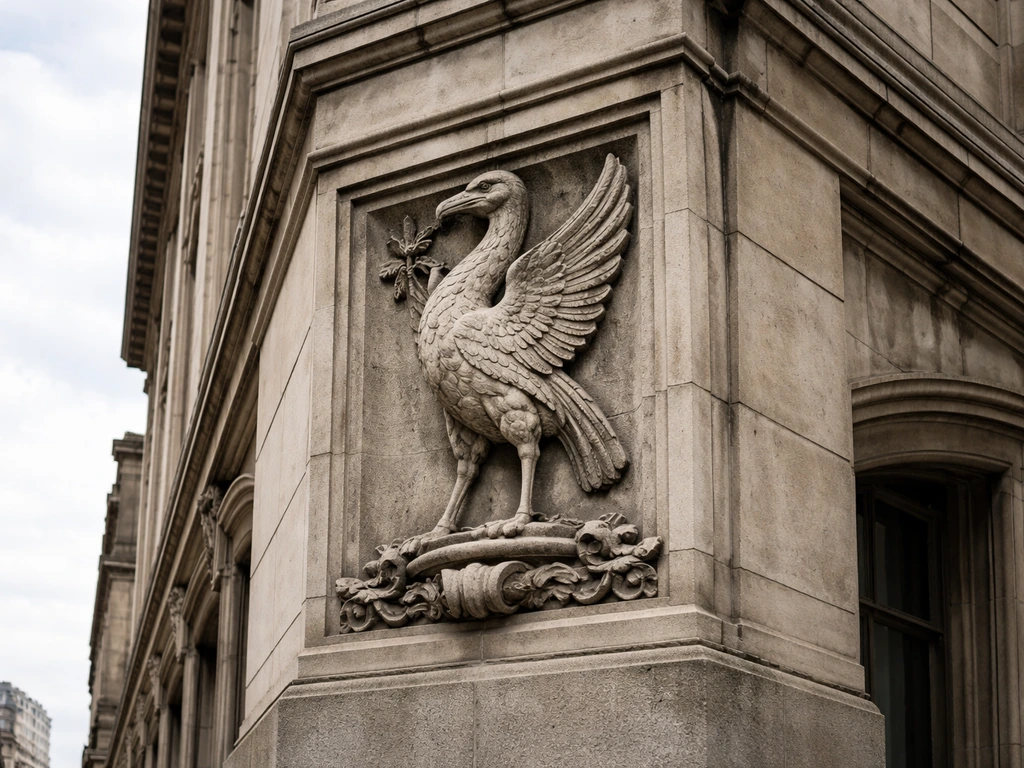
What the Liver bird actually is
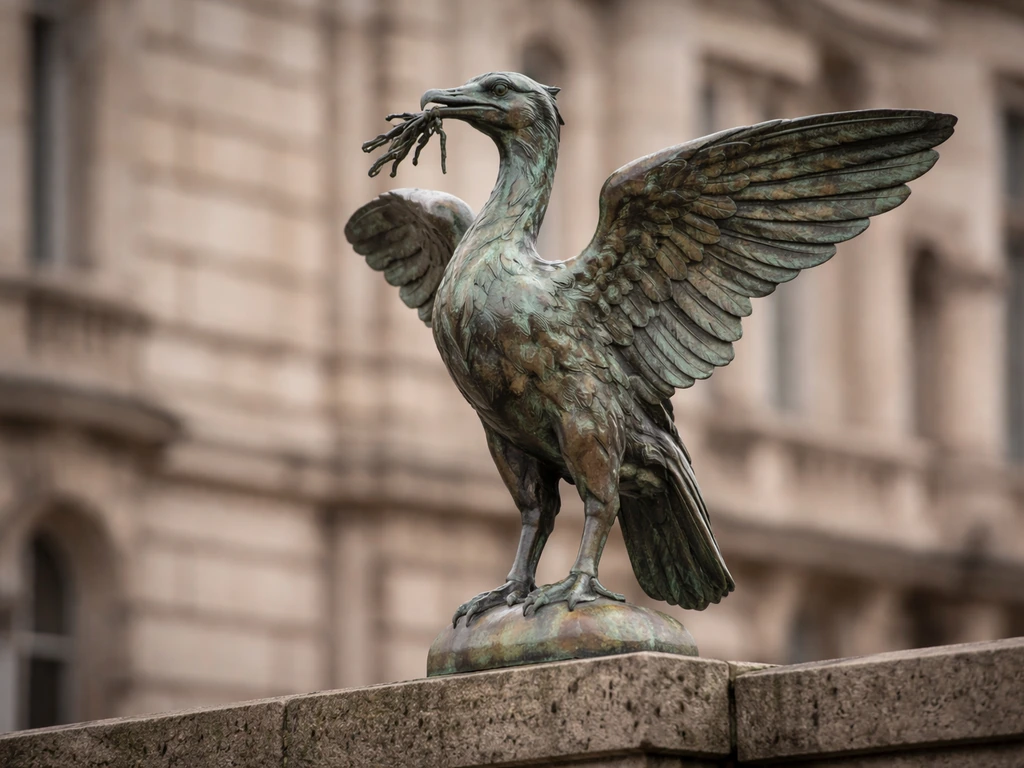
The Liver bird is Liverpool's civic emblem, a mythical bird that has appeared on the city's heraldic materials, public buildings, and sports crests for centuries. In formal heraldic descriptions, the creature is treated as a cormorant holding a branch of laver (a type of seaweed) in its beak. That detail matters, because the word 'laver' is likely where the bird's name picked up its distinctive spelling and pronunciation, with 'liver' being a kind of punning adaptation rather than a reference to the organ or the city's etymology.
The two most famous physical Liver birds are the copper sculptures perched on top of the Royal Liver Building on Liverpool's waterfront, built in 1911. They have become so iconic that locals treat them almost as protective totems for the city. Liverpool FC adopted a version of the bird for their club crest in the late 19th century, which is why millions of football fans worldwide now recognize the image even if they have never visited Merseyside. As a 'bird name' with genuine cultural weight, the Liver bird sits comfortably alongside other places where avian symbolism has become inseparable from civic and sporting identity.
The Oxford Learner's Dictionaries describes the liver bird as an imaginary bird whose name is associated with the supposed origin of the word 'Liverpool.' That 'supposed' is doing real work in that definition. It signals that even dictionary editors recognize this is a folk etymology that has been repeated so often it sounds authoritative, even though the historical evidence does not support the name-origin direction most people assume.
Where the name 'Liverpool' actually comes from
The earliest recorded forms of the place name appear around 1190, written as 'Liuerpul' or similar variants. Place-name scholars analyzing Lancashire toponymy have documented multiple spelling variants from early medieval documents, including Liuerpul, Lyverpul, and related forms. The standard etymology breaks the name into two Old English elements: 'lifer' (meaning thick or muddy water) and 'pōl' (meaning a pool or creek). Put together, you get something like 'the pool with thick or muddy water,' which is a perfectly mundane description of the tidal inlet that once sat where the city now stands.
King John's letters patent of 28 August 1207 formalized Liverpool as a free borough and trading port. By that point the place name was already established in administrative use, inherited from the landscape description that had been circulating for roughly twenty years or more. The UNESCO World Heritage nomination materials for Liverpool's maritime history treat this early documentary record as foundational, citing 'Liuerpool' in a charter context that predates any discussion of a symbolic bird. The UNESCO World Heritage nomination materials for Liverpool’s maritime history treat this early documentary record as foundational, citing “Liuerpool” in a charter context that predates discussion of any symbolic bird.
It is worth being honest about where scholarship hedges: there is some debate over the precise meaning of that first element. Some researchers lean toward 'lifer' as muddy or clotted water; others have proposed related interpretations. What is not seriously disputed is that the name describes a physical geographical feature, not a bird. No credible etymological source traces 'Liverpool' to any avian origin.
Why people assume the bird came first
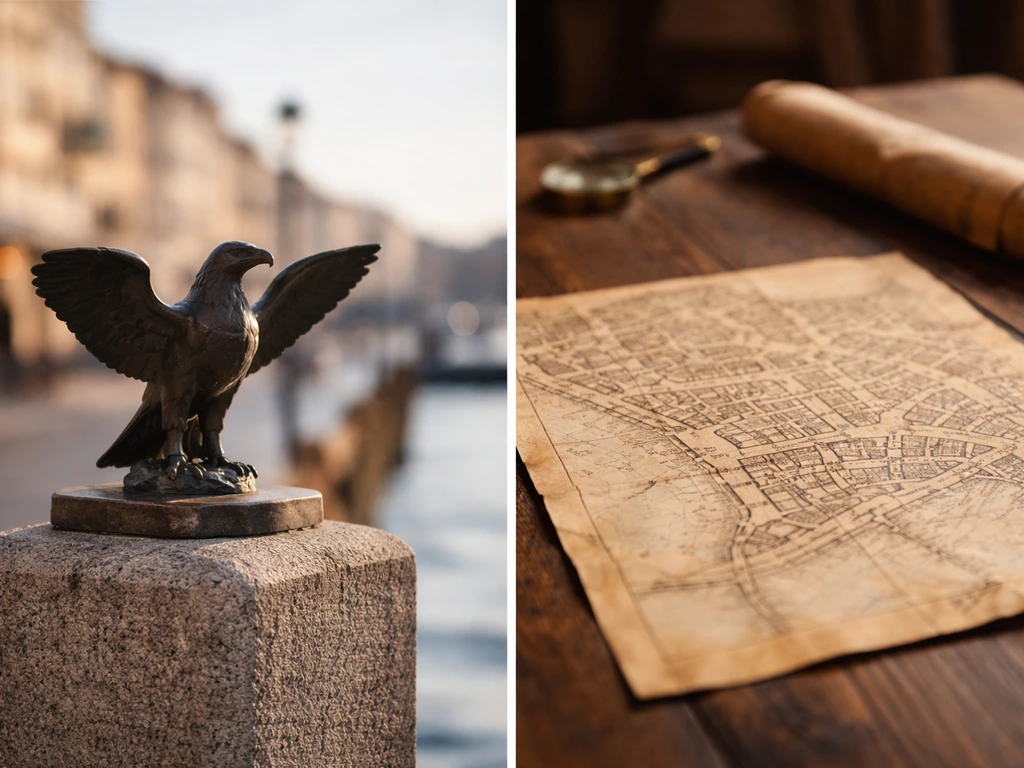
The folk logic works like this: you see a bird called the 'Liver bird' prominently displayed all over a city called 'Liverpool,' and your brain suggests that one must explain the other. It is the same instinct that leads people to think Alcatraz Island must have been named after something dramatic, when in fact it was simply named after the pelicans that lived there. A prominent symbol feels like it should be the origin story, especially when the symbol is as visually striking as those copper birds on the skyline.
There is also a pronunciation quirk that reinforces the confusion. 'Liverpool' is pronounced with a short 'i' sound in the first syllable, while 'Liver bird' uses a long 'i' sound, more like the word for the organ. This inconsistency makes people feel there is a mystery to solve, which in turn makes the 'named after the bird' explanation feel satisfying. The sibling topic of why 'liver bird' and 'Liverpool' are pronounced differently is a genuinely interesting linguistic puzzle in its own right, but it is a consequence of the name's history, not evidence that the bird was the original. The question of why is liver bird and Liverpool pronounced differently is part of the same name-history puzzle why 'liver bird' and 'Liverpool' are pronounced differently.
A rough timeline that shows the order of events
| Date | Event | Significance |
|---|---|---|
| c. 1190 | Place name 'Liuerpul' first recorded | Oldest documentary evidence of the city name, Old English origin |
| 28 August 1207 | King John's letters patent establish Liverpool as a free borough | Place name already in formal administrative use |
| 1352 | Earliest surviving impression of Liverpool's civic seal | Seal shows a bird-like figure, confirming civic bird iconography by mid-14th century |
| Post-medieval | Cormorant/Liver bird described formally in heraldic terms | Bird identity codified; 'liver' label treated as punning derivation from place name |
| Late 19th century | Liverpool FC adopts Liver bird imagery for club crest | Emblem enters global sporting culture |
| 1911 | Royal Liver Building opens with copper Liver birds on roof | Modern iconic image of the bird established |
The sequence is clear: place name first (c. 1190), civic seal with bird imagery next (1352 surviving impression), formal heraldic codification later, and the bird's modern cultural dominance only in the past century or so. There is no plausible mechanism by which a bird emblem could have generated a place name that was already in use before the emblem is documented.
Checking the myths against the evidence
Myth: Liverpool is named after the Liver bird
Not supported. The place name predates any documented bird emblem by at least 150 years. The etymology points firmly to an Old English landscape description, not an animal. Heraldry scholars have noted that treating the bird as the name-origin is an over-literalized folk story that reverses the actual causality.
Myth: The Liver bird is a real species
Also not supported. The Liver bird is mythical, an imaginary creature. The “real name” question is basically asking what the Liver bird is meant to represent in heraldry, which is discussed further below real name of turkey bird. In formal heraldic practice it is described as a cormorant, which is a real seabird, but the 'Liver bird' as a named entity is a civic invention. Scholarship on the Liver bird versus cormorant in formal arms grants similarly notes that the “bird” is treated as a cormorant in heraldic description, while “liver” terminology is a later label/pun blank" rel="noopener noreferrer">In formal heraldic practice it is described as a cormorant. The laver seaweed in its beak is a heraldic pun on both the place name and the plant, layered wordplay that is very common in medieval civic heraldry.
Myth: The 1352 seal proves the bird predates the place name
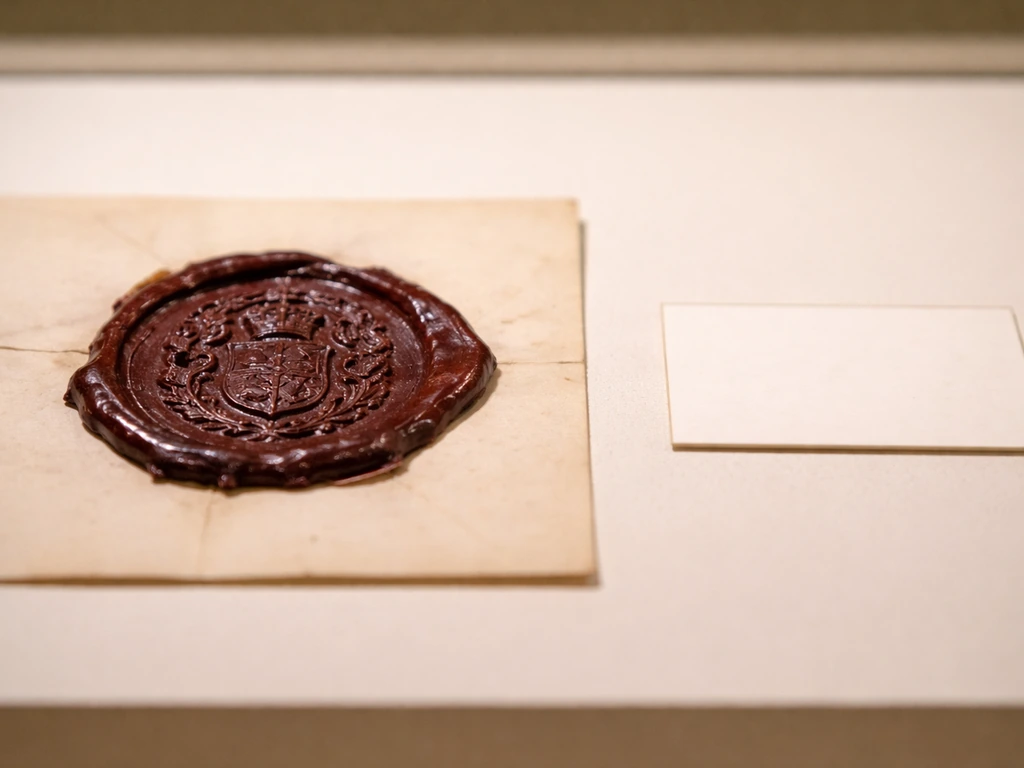
This is a misreading of what the seal shows. The 1352 seal impression, held in the British Museum, documents that bird iconography was already in civic use by the mid-14th century. But the place name 'Liuerpul' is attested from around 1190, which is still 160 years earlier. The seal does not push the bird back far enough to challenge the place name's priority.
What is genuinely uncertain
The precise meaning of 'lifer' in Old English is where honest scholarship acknowledges some ambiguity. 'Muddy or thick water' is the most widely cited interpretation, but the exact nuance is not locked down with absolute certainty. That uncertainty does not help the 'named after the bird' theory at all; it is an uncertainty about geography and hydrology, not about ornithology.
How to say it accurately and where to dig deeper
If someone asks you whether Liverpool is named after the Liver bird, the cleanest accurate answer is: 'No, it is the reverse. Liverpool gets its name from Old English words meaning something like muddy pool, and the Liver bird took its name from the city, not the other way around.' That covers it in two sentences without overstating what we know.
If you want to verify this for yourself or go deeper, here are the most reliable places to look:
- Liverpool City Council's archive materials around the 1207 letters patent give you the founding charter context and the place name in formal use.
- The British Museum's collection records for the Liverpool civic seal (earliest surviving impression 1352) show when bird imagery enters official iconography.
- The College of Arms holds formal records of heraldic grants and descriptions, which is where you can check what the bird is officially described as (cormorant) versus what it is popularly called.
- National Museums Liverpool and their public-facing educational materials explain the Liver Bird Trail and civic identity layers without overstating the bird's name-origin role.
- Place-names of Lancashire scholarship (such as historical scans of major toponymy studies) reproduces the documentary spelling variants that make the Old English etymology legible.
- For the sporting and pop-culture angle, Liverpool FC's documented crest history from the late 19th century onward shows how the emblem traveled from civic heraldry into global sports branding.
The Liver bird is a genuinely fascinating case study in how a place name can generate a mythological creature, which then becomes so culturally dominant that people start assuming the creature must be the origin. It is the same loop you see in other bird-naming puzzles, where the label feels too vivid and specific to be coincidental, when actually the wordplay came after the fact. If that kind of avian etymology rabbit hole interests you, the question of what bird Alcatraz was actually named for follows the same pattern of a real bird becoming a symbol that then seems to explain a name it did not actually produce.
FAQ
Is “Liver bird” the original name of the city’s emblem, or was the bird label invented later?
No. “Liver bird” is the nickname people use today for the city’s heraldic emblem, but the place name “Liverpool” is documented centuries earlier and is grounded in Old English elements describing water and terrain.
If the emblem looks like a cormorant, does that make the “Liverpool equals Liver bird” story more credible?
Not really. Even though the crest artwork looks like a seabird, heraldic descriptions treat it as a cormorant figure with symbolic props (including laver seaweed), so you should not expect the emblem to be a literal explanation of the city’s etymology.
Why do “Liverpool” and “liver bird” sound different if they’re connected?
It can help, but only if you treat it as a clue about how people talk, not about how the names formed. The city name and the bird phrase diverged in pronunciation because the bird label and spelling evolved in later folk and cultural usage, not because the city was coined from the bird.
What should I check to confirm which came first, the place name or the bird imagery?
Look for name forms and dating in place-name records rather than relying on the emblem. If an earliest “Liuerpul” style record is older than the earliest civic seal or heraldic material you are looking at, the timeline favors the place name first.
Does the existence of a 14th-century seal with the bird image mean the bird name came first?
The seal impression is evidence that bird iconography existed in civic practice by the mid-14th century, but it does not override earlier documentation of the place name. In general, iconography proves symbolism was in use, not that it created the older toponym.
So what does the Liver bird represent in heraldry if it was not the source of the city name?
No. The emblem’s “real meaning” in heraldry is about representation and wordplay (including the laver element), not about identifying a historical animal that gave the city its name.
What is the most common mistake people make when they argue Liverpool was named after the Liver bird?
Yes. A common slip is to assume that because a symbol is prominent and visually “explains” a word, it must be the etymological origin. With Liverpool, that reasoning is backward, the word came first, the symbol later became culturally dominant.
Can pronunciation differences alone prove that the city was named after the bird?
Because the first syllable is shorter in “Liverpool” and the phrase “liver bird” treats “liver” like the organ. That pronunciation contrast makes a folk explanation feel more satisfying, but it is not proof of origin.
How can I evaluate online claims that give a confident “named after” origin?
If you encounter a claim that “Liverpool” and “liver bird” were coined together, treat it as a folk explanation unless you can point to contemporaneous documentation. Reliable discussions tend to show the toponym’s early attestation and the emblem’s later codification.
Next Article
Alcatraz Island Named After What Bird? Name Etymology
Find which bird Alcatraz derives from, tracing Spanish Portuguese roots and clearing similar name confusions.