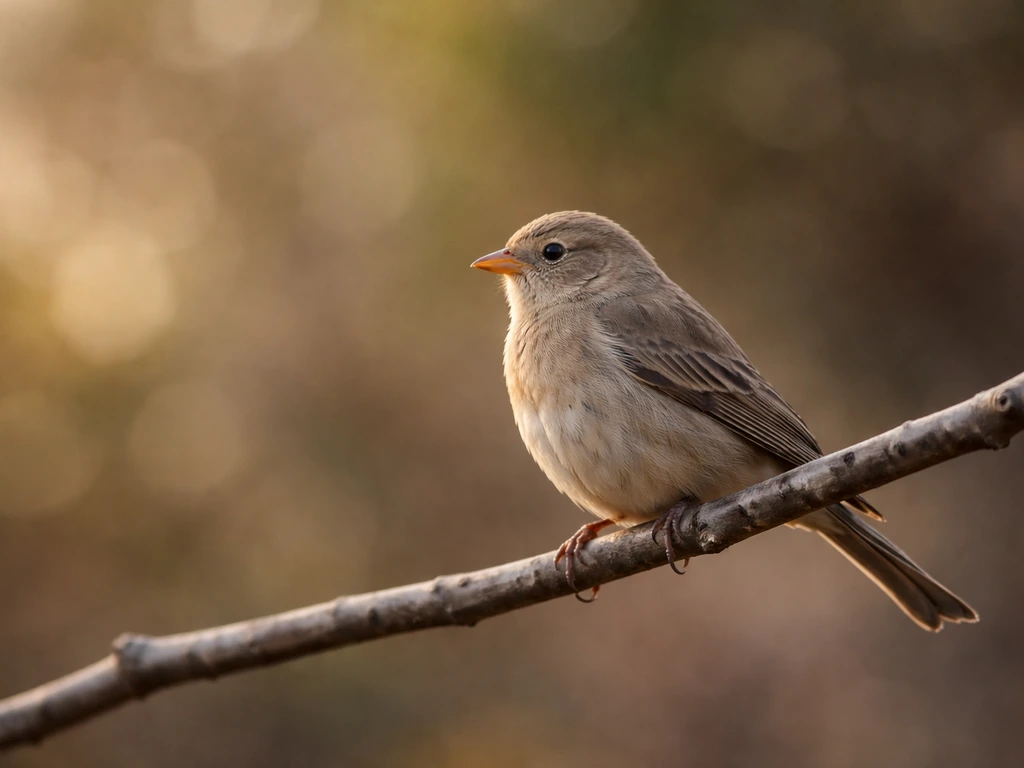
A male bird is most commonly called a "cock" in English. That's the broad default term you'll find in dictionaries, bird breeding guides, and pet communities alike. But here's the thing: English also has a whole set of species-specific male terms, and using the right one depends on which bird you're talking about. A male duck is a drake, not a cock. A male peacock is, well, a peacock (the word already implies male). So while "cock" works as a general answer, knowing when to swap it out is what separates a casual answer from a genuinely useful one.
Male Bird Is Called What: Names for Different Species

Maya Castellanos
10 Jun 2026
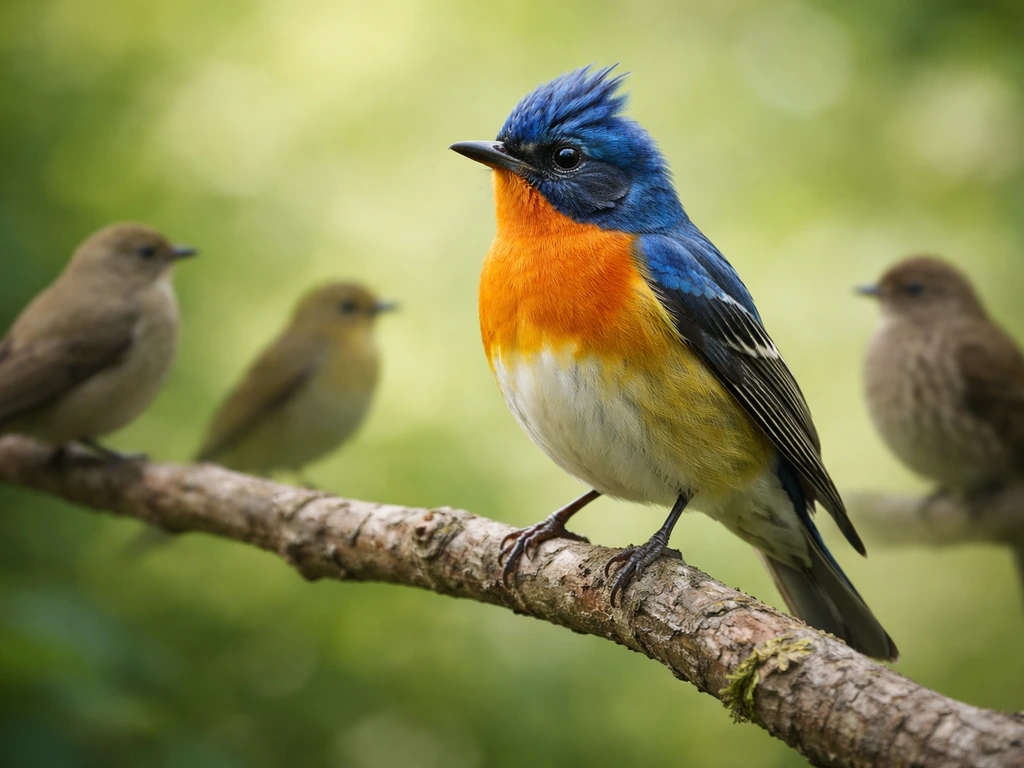
The general English answer: cock (and why it works)
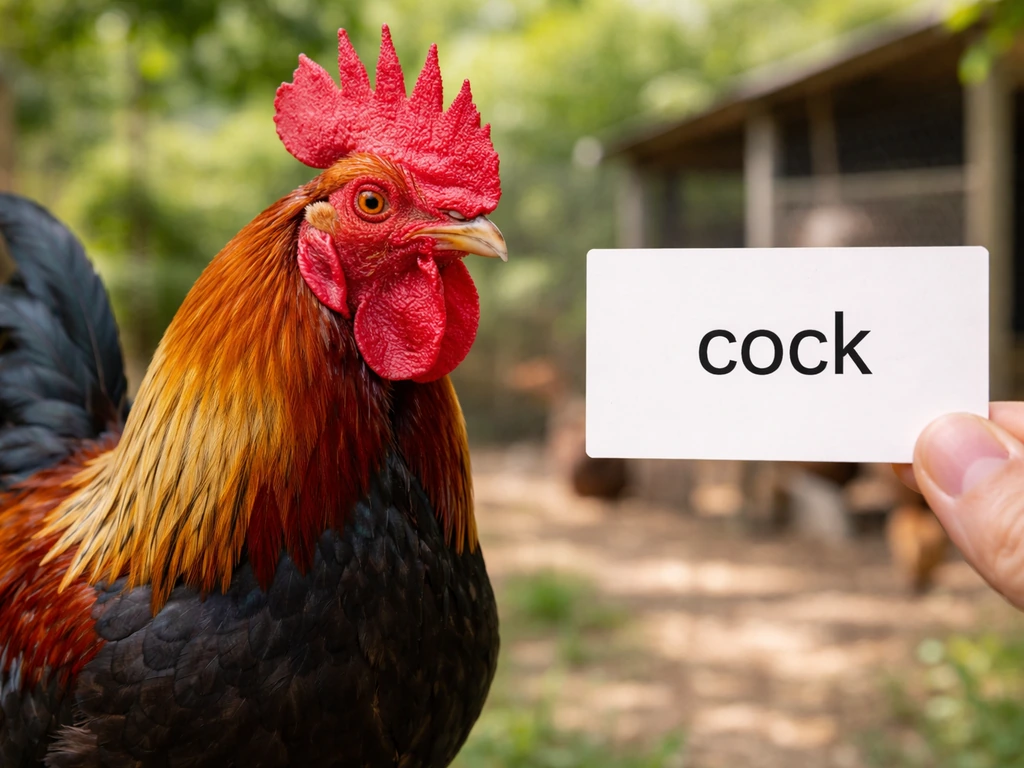
Merriam-Webster, Oxford, and Cambridge all agree: "cock" means "the adult male of a bird, especially the domestic chicken" and, by extension, the adult male of other bird types. Cambridge even spells out the practical usage pattern explicitly: you use "cock" combined with a species name to refer to that bird's adult male. So you get "cock pheasant," "cock sparrow," or just plain "cock" when the species is already understood from context.
In pet-bird communities, this usage is very much alive. Budgerigar breeders talk about "cock birds" and "hens" constantly. The Budgerigar Society, for instance, describes a male budgie's cere as bright blue and refers to the bird throughout as a "cock bird." Canary keepers do the same. A canary fact sheet from Head to Tail Pets puts it simply: "A female canary is called a hen and a male is called a cock bird." This isn't old-fashioned language; it's the working vocabulary of bird breeders and enthusiasts today.
The full list: male terms by bird group
"Cock" is the default, but English has carved out specific male terms for several bird families. Here's what you actually need to know:
| Bird group | Male term | Female term | Notes |
|---|---|---|---|
| Most birds (general) | Cock | Hen | The standard default across poultry, songbirds, and pet birds |
| Ducks | Drake | Duck / Hen | "Drake" is the conventional term; "cock" is not used for ducks |
| Domestic chicken | Cock / Rooster | Hen | "Rooster" is the standard American English term |
| Turkeys | Tom / Gobbler | Hen | "Tom" is the everyday term; "gobbler" refers to the male's call |
| Geese | Gander | Goose | One of the oldest and most distinct male-bird terms in English |
| Peacocks | Peacock | Peahen | The species name itself signals male; the neutral term is "peafowl" |
| Swans | Cob | Pen | Less widely known but consistently used in waterfowl contexts |
| Pheasants | Cock | Hen | "Cock pheasant" is standard usage in British English and field sports |
The key decision rule: if a well-established species-specific term exists (like "drake" for ducks or "gander" for geese), use it. If you're dealing with a pet songbird, a budgie, a cockatiel, or most wild passerines, "cock" is your word.
Picking the right term: pet birds versus wild birds
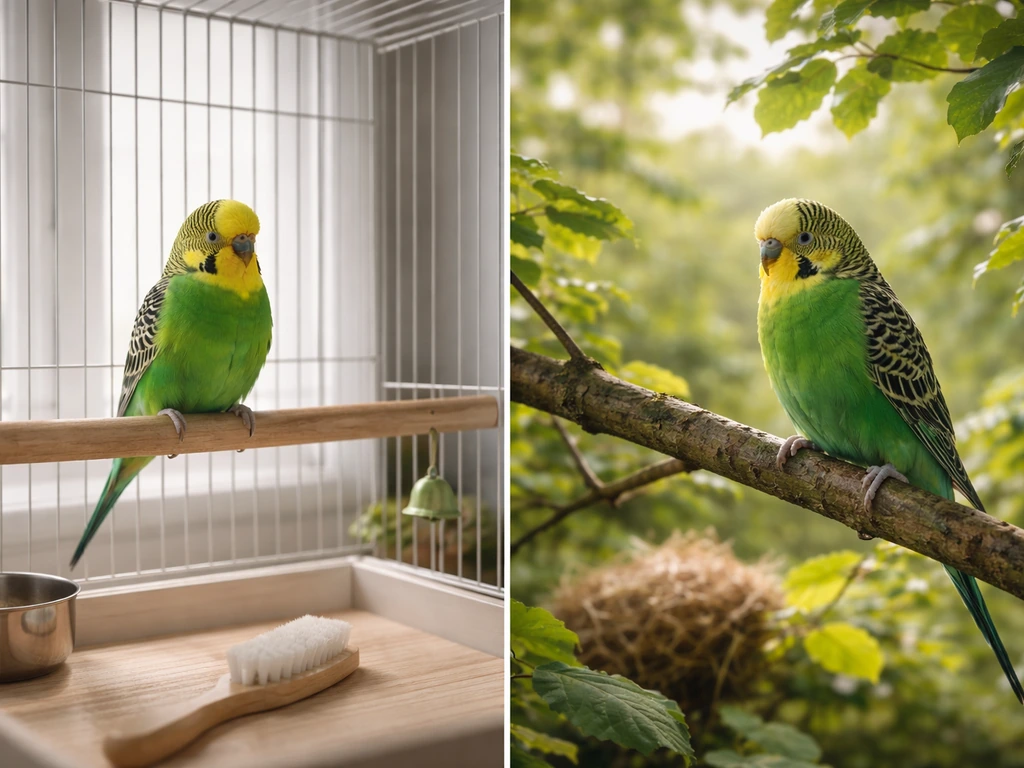
Common pet birds
For the birds most people keep at home, the terminology is pretty consistent. Budgerigars, canaries, cockatiels, and finches all follow the cock/hen convention. If you're reading a budgie breeding guide and it mentions a "cock bird," that's your male. LafeberVet's cockatiel information describes male cockatiels by their physical traits (yellow foreheads, bright orange ear coverts, louder vocalizations) without needing a special term beyond "male" in scientific contexts, but in everyday keeper talk, "cock" remains standard.
One practical note: don't assume you know the sex of your pet bird without actually checking. Budgerigar sexing guides focus heavily on cere color (the fleshy area above the beak): a bright blue cere on an adult bird usually means male. Cockatiels can be trickier and sometimes require DNA sexing. The point is, you pick the right male term after you've confirmed the sex, not before.
Wild and game birds
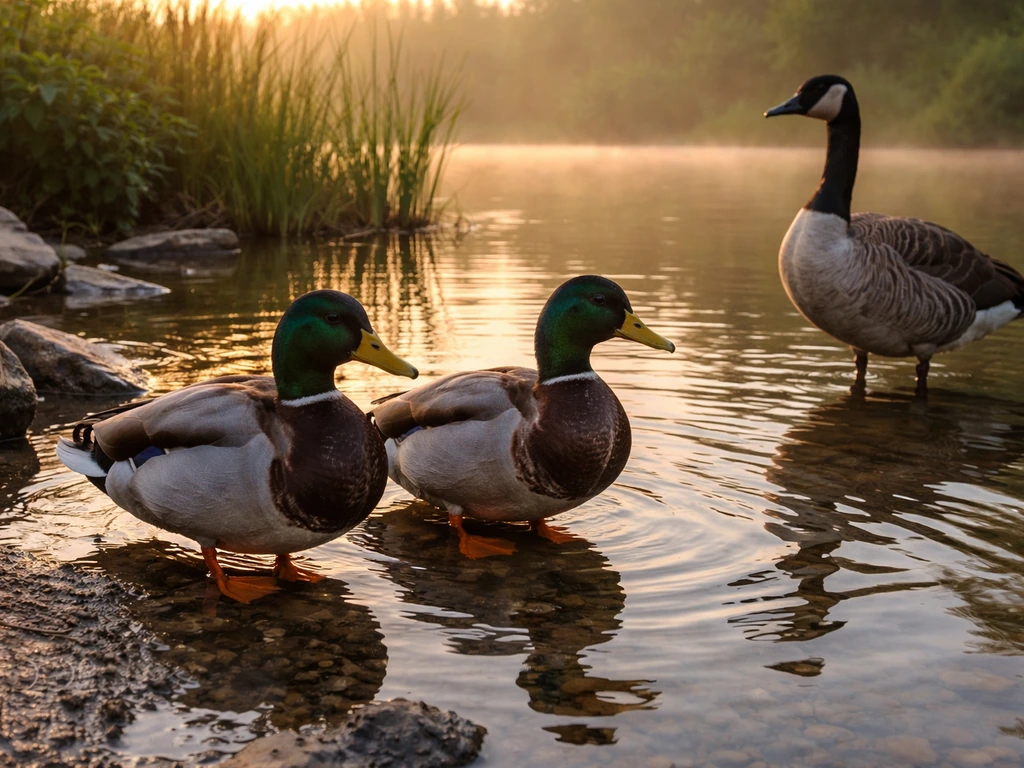
With wild birds, the same logic applies: check the family first, then use the conventional term. Waterfowl (ducks, geese, swans) each have their own vocabulary, as the table above shows. Game birds like pheasants and partridges use "cock" in British English field sports contexts. Raptors and songbirds almost universally default to cock/hen when a gender-specific term is needed at all, though in casual birdwatching you'll hear people say "male" just as often.
Scientific names and gender: it's not what you might expect
Here's a point that trips up a lot of people: biological sex is not built into scientific bird names the way you might assume. The International Code of Zoological Nomenclature (ICZN) governs how scientific names work, and its rules around "gender" are purely grammatical. Article 30 of the ICZN Code deals with the grammatical gender of genus-group names (whether a Latin or Greek-derived name is treated as masculine, feminine, or neuter in its endings). Article 31 handles how species-group name endings change depending on that grammatical gender. None of this reflects whether the actual animal is male or female; it's about Latin grammar.
So "Passer domesticus" (house sparrow) doesn't tell you anything about an individual bird's sex. The species name applies equally to every house sparrow alive. When scientists need to specify sex in a published paper, they write "male" or "female" in plain language alongside the scientific name. The nomenclature system itself is neutral on the subject of biological sex by design.
Common names are a different story. Some, like "peacock," have male connotations baked in by convention even though they started as general species names. Others, like "mallard," are gender-neutral in everyday use even though technically the name is most closely associated with the colorful male duck.
Where these words actually come from
The etymology here is genuinely interesting, and it explains why English ended up with such a patchwork of male-bird terms instead of one clean universal word.
Cock
"Cock" in Old English was cocc, meaning "male bird." It comes from Old Norse kokkr and is generally described by etymologists as echoic in origin, meaning it likely imitates the bird's call. This is the same root behind "cockerel" (a young male chicken) and feeds into compounds like "woodcock" and "cock pheasant. A young bird is often called a chick, and the exact term can vary by species and stage cockerel (a young male chicken). " The word has been in continuous use for over a thousand years, which is why it still sounds completely natural to British and Australian bird breeders today.
Drake
"Drake" dates to around 1300 and comes from West Germanic *drako. It has close relatives in Low German and dialect German, and it appears to have entered Middle English from those continental Germanic sources. It was always specifically about ducks, which is why it never expanded to cover other bird groups the way "cock" did.
Gander, stag, and bull
"Gander" (male goose) shares Germanic roots and is related to the word "goose" itself. "Stag," which today primarily means an adult male deer, appears in English from the late 12th century (stagge in Old English), from Proto-Germanic stag- connected to a PIE root meaning to stick or pierce, likely a reference to antlers. "Bull" arrives around 1200 from Old Norse boli and Old English bula, both from Proto-Germanic *bullon-. Neither stag nor bull is primarily a bird term, but you'll occasionally see them applied to large game birds in older British hunting texts. In reliable modern usage, stick with the table above and don't force stag or bull into bird contexts without good reason.
Naming a pet bird: signals that say "this is a male"
If you've confirmed your bird is male and you want a name that reflects that, you have a lot of room to play. Pet bird naming conventions tend to fall into a few patterns: names that are traditionally masculine in human culture (Charlie, Max, Duke), names based on the bird's physical traits (Bluebell for a blue-crested male, Goldie for a male cockatiel with bright yellow plumage), or names inspired by famous birds and characters.
A few things worth keeping in mind as you choose:
- Short, punchy names work best for birds you'll train or that can learn to respond to their name. One or two syllables land better than three.
- Male budgies and cockatiels are typically more vocal and responsive to training than females, so a name they can "hear" easily (ending in a vowel sound or a hard consonant) tends to work well.
- Names based on physical traits tied to maleness (like the bright blue cere of a male budgie or the vivid orange ear coverts of a male cockatiel) are a nice nod to what makes your bird distinctly him.
- Classic cock bird names from British aviculture include Rio, Sky, Jasper, and Cobalt for budgerigars. These aren't rules, just patterns from naming traditions in breeding circles.
- If you're not 100% certain of your bird's sex yet, DNA test or wait for reliable visual cues before committing to a strongly gendered name. Young budgies in particular can have ambiguous cere colors until they mature.
The naming question connects naturally to broader questions about bird terminology as a whole. If you're curious about what the female counterpart is called, that's covered in the topic on what a female bird is called, and the life stages of birds (chick, fledgling, juvenile) follow their own naming logic as well. You can also look up the female bird is called answer for each species, plus the common life-stage terms like chick and fledgling.
But for the male specifically: confirm the sex, pick the right term for the species (cock as your default, drake for ducks, gander for geese), and then have some fun with the actual name. For species where the common male name differs, a small bird is called by its specific male term instead cock as your default. The home of a bird is called its nest.
FAQ
When should I use “cock” versus “male” in everyday writing?
Use “cock” only when the species is clear from context, for example “a cock pheasant” in a hunting or field note. If you are writing about a bird without specifying species, “cock” can sound like you mean a chicken, so “male (species name)” is usually safer in formal writing.
Are breeder terms like “cock bird” acceptable, or should I use “male” for reports?
Many pet sources use “cock bird” or “hen” because they are convenient for breeders, but in veterinary notes and scientific discussions it is more typical to write “male” or “female.” If you are contacting a vet, “male” plus the species is the least ambiguous choice.
What do I do if I do not know whether a species has a special male name?
Yes. Species-specific male terms often exist for common waterfowl, like drake (duck) and gander (goose), but for many songbirds and most small pets there is no widely used special word beyond “cock/hen” or simply “male/female.” If you do not know the family, default to “male” rather than guessing a rare term.
Can I call a juvenile male bird a “cock”?
If the bird is not adult, “cock” may be misleading because “cock” is typically used for adult males. For younger stages, English commonly uses “chick” or other life-stage terms that vary by species, so age and species both matter when choosing the label.
How reliable are visual sex cues for using the right male term?
For many passerines and pet parrots, casual “cock/hen” language does not replace actual sexing. Rely on the best method available for that species, such as cere-based identification for some budgies, and use DNA sexing for birds where visual traits are unreliable.
Does a scientific bird name tell you whether the bird is male?
In taxonomy, the scientific name does not indicate the individual’s sex, because the name follows Latin grammar rules rather than biology. When publishing or logging observations, state “male” or “female” explicitly alongside the scientific name.
Why do some common bird names sound male even when they are not strictly gendered?
Some English “male-flavored” common names cause confusion, for example “peacock” is strongly associated with males, while “mallard” is often used for the species more generally. When precision matters, use the gender term directly (like “male mallard”) instead of assuming the common name implies sex.
Is it ever correct to use animal terms like “stag” or “bull” for birds?
Avoid forcing non-bird animal terms into bird contexts. Terms like “stag” (deer) and “bull” (cattle) may appear in older hunting writing for large game, but modern mainstream bird usage usually stays with established bird-specific male words or “male (species).
What’s the clearest way to label male birds for a general audience?
If you are writing a mixed community post, stick to “male” and “female” unless the species has a well-known male term that your audience will recognize. If you do use “cock” or “drake,” consider defining it once (for example, “drake means a male duck”) to prevent misreading.
Next Article
Female bird is called what Find the right term for any species
Find what a female bird is called and how to choose the right term by species, gender, and region.