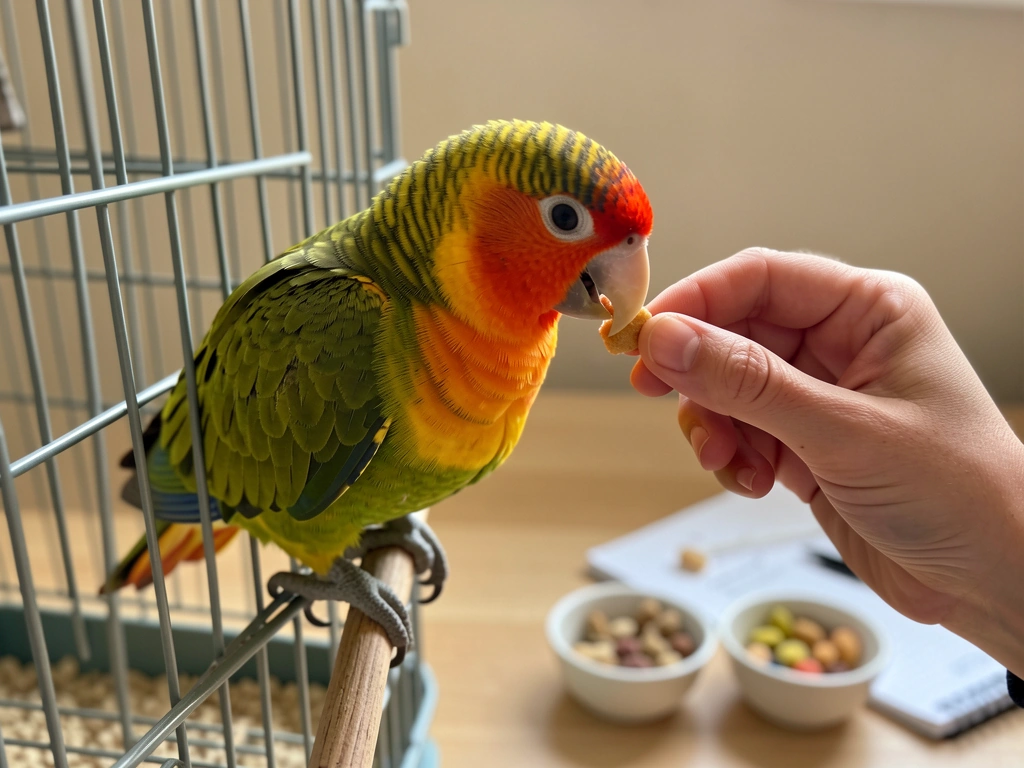
The fastest way to name a pet bird: pick something short, say it out loud a few times, and see if it rolls off your tongue naturally when you're excited to see your bird. That's honestly 80% of the job. The other 20% is making sure the name fits the bird, doesn't clash with words you use all day, and is easy enough to repeat during those quick two-to-five minute training windows that actually teach your bird to respond to it. Here's the full practical process, from brainstorming to the first training session.
What to Name a Pet Bird: Easy Steps and Name Ideas

Maya Castellanos
22 Mar 2026
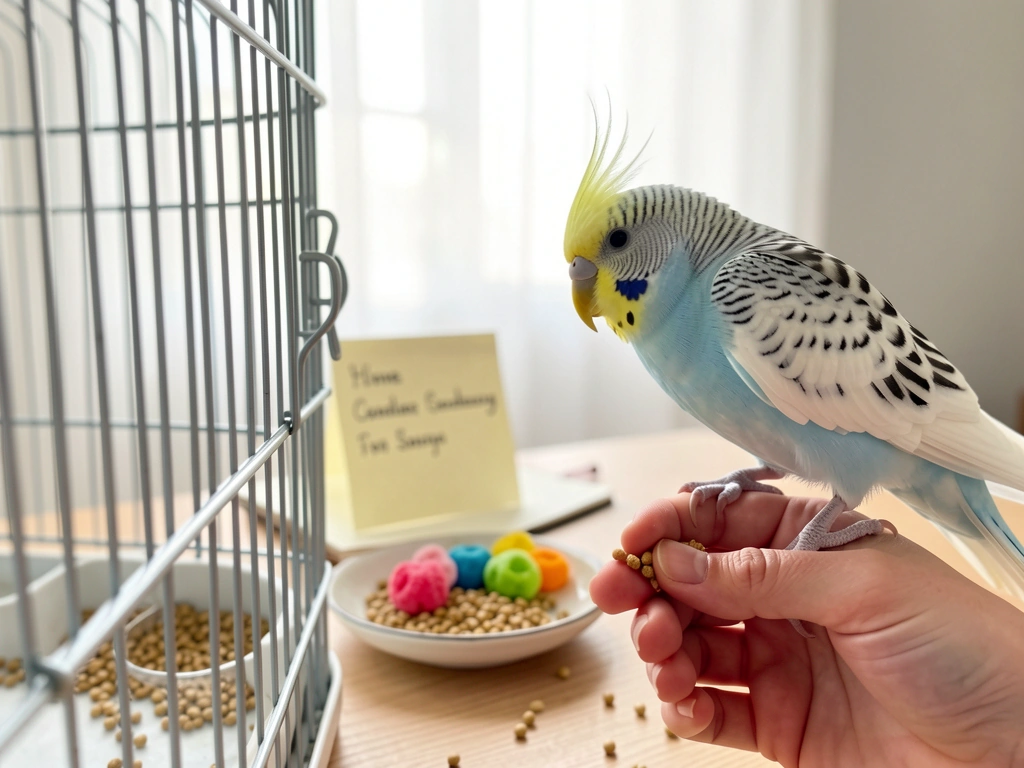
Quick way to pick a name that fits your bird
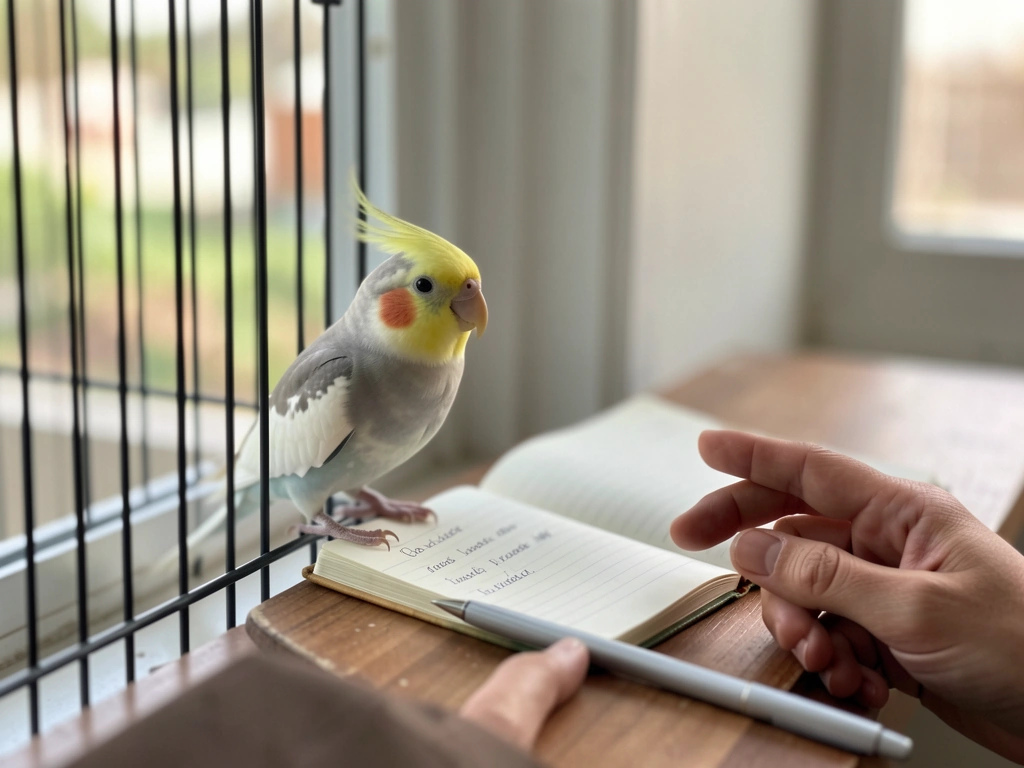
Start with one simple question: what's the first word that comes to mind when you look at your bird? Not the cleverest word, not the most original one, just the first honest impression. A lot of great bird names come from that gut reaction, and birds don't care about originality.
From there, run through this quick shortlist process. Write down three to five candidates. For each one, do three things: say it out loud in a happy, enthusiastic voice (the way you'll actually use it), say it out loud across the room as if you're calling the bird, and say it out loud in a mildly stern voice for when the bird is being a menace. If it sounds right in all three situations, it's a strong contender. If it feels awkward or silly in any of those three, cross it off.
The single most important technical rule is length: one or two syllables is the sweet spot. Names like Kiwi, Pip, Mango, Rio, or Cleo are easy to say quickly and repeatedly, which matters a lot once you start using the name for training and attention. Longer names aren't impossible, but you'll naturally shorten them anyway, so just start with the short version.
Naming ideas by bird traits
Species
Species personality is one of the best naming shortcuts. Cockatiels tend to be goofy and affectionate, so names like Waffles, Cosmo, or Pebble feel right. African greys are famously intelligent and a little serious, so something with a bit of dignity works well: Winston, Sage, or Atlas. Budgies are cheerful and zippy, making Ziggy, Pip, or Sunny a natural fit. Conures are loud and dramatic, which opens the door to names like Loco, Blaze, or Ruckus. If you're specifically naming a parrot, there's a whole world of great options worth exploring in a dedicated parrot naming guide. If you want more ideas tailored to parrots specifically, check out a dedicated list of good bird names for parrots parrot naming guide.
Color
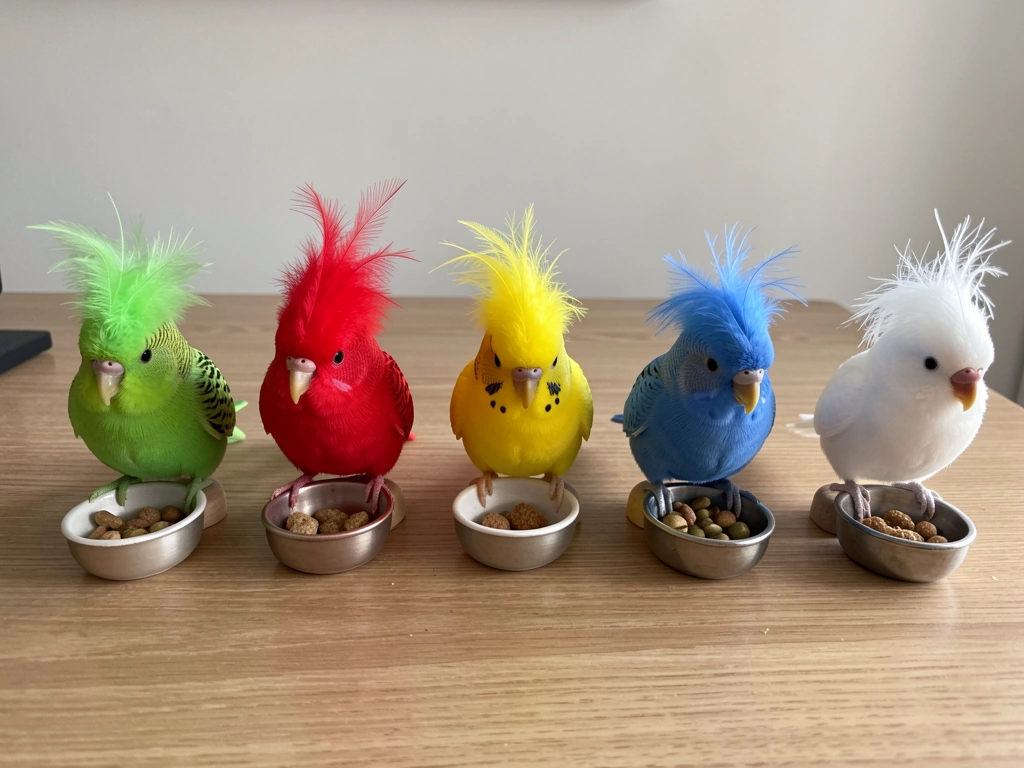
Color is one of the most reliable naming hooks because you'll describe your bird by color to everyone anyway. If you want inspiration that fits a yellow bird specifically, use these good names for a yellow bird ideas to narrow the list quickly. Green birds: Kiwi, Jade, Fern, Sage, or Pickle. Red birds: Ember, Blaze, Ruby, or Paprika. Blue birds: Ocean, Cobalt, Denim, or Indigo. White birds: Ghost, Cloud, Pearl, or Frost. The trick with color names is pairing them with a strong consonant sound so they don't get swallowed up when you call out across a noisy room.
Personality
Give yourself a week before committing if you can, because bird personalities emerge fast. A bird that won't stop screaming might earn the name Banshee or Diva. One that sits quietly and watches everything might become Radar or Sherlock. A bird that immediately bonds hard to one person often gets named something affectionate like Biscuit, Bean, or Peanut. Personality names tend to be the ones that stick for life because every time you say the name, it fits.
Sounds
Some birds name themselves vocally. If your bird makes a specific chirp, whistle, or squawk consistently, try to match a name to that sound. A bird with a high, bright whistle might become Piccolo or Tweet. One with a low rumbling call might earn Grumble or Basso. This is especially fun with birds that already mimic household sounds, since their name can become the first building block of a longer vocal repertoire.
Name style options
There's no wrong style, but knowing the main categories helps you figure out which direction feels right for your bird and your household. Here's a breakdown of the most popular approaches:
| Style | Examples | Best for |
|---|---|---|
| Human names | Charlie, Luna, Oliver, Cleo, Gus | Birds with strong personalities that feel almost person-like |
| Cute/funny | Waffles, Nugget, Pickles, Biscuit, Tater | Goofy, cuddly birds; owners who enjoy a laugh |
| Nature | Sage, River, Fern, Sparrow, Cedar | Birds with earthy tones or calm demeanors |
| Food | Mango, Kiwi, Paprika, Honey, Pepper | Colorful birds; easy one-to-two syllable words |
| One-syllable | Pip, Ace, Blue, Ren, Rex | Any bird; ideal for training and quick recall |
| Two-syllable | Kiwi, Coco, Sunny, Rio, Cosmo | Any bird; still short enough for effective training |
Human names work especially well because they're already optimized for being called out loud repeatedly, which is exactly what you'll do during training. Food names are reliably popular because they're almost always one or two syllables, fun to say, and oddly affectionate. Nature names tend to age well and feel meaningful without being precious. If you're unsure, go with a food or human name and you really can't go wrong.
How to test and shortlist names
Once you have three to five candidates, put them through this three-part test before you commit.
- Say it out loud, repeatedly: Stand up, say the name five times fast in your normal excited-bird voice. Does it feel natural or does your mouth trip over it? Names with hard consonants (K, P, B, T) tend to carry across a room better than soft ones. "Kiwi" lands harder than "Willa," for example.
- Check for stickiness: After saying it a few times, walk away and do something else for ten minutes. Which name is still in your head? That's usually the winner. Stickiness is a real signal.
- Call-and-response test: Say the name like you're trying to get the bird's attention from across the room. Does it sound like something a bird would respond to, or does it blend into background noise? Short names with two distinct syllables (Mango, Coco, Rio) tend to cut through ambient sound better than long, soft-ending names.
Also run a quick conflict check: does the name sound like any common word or command you use in your home? If you say "No" a lot and you're considering "Moe," that's a problem. If you say "Come here" constantly and the bird's name is "Comer" or "Kira," there's potential confusion. Birds learn associations between sounds and outcomes, so a name that sounds like a different common word will cause mixed signals.
How to start using the name right away
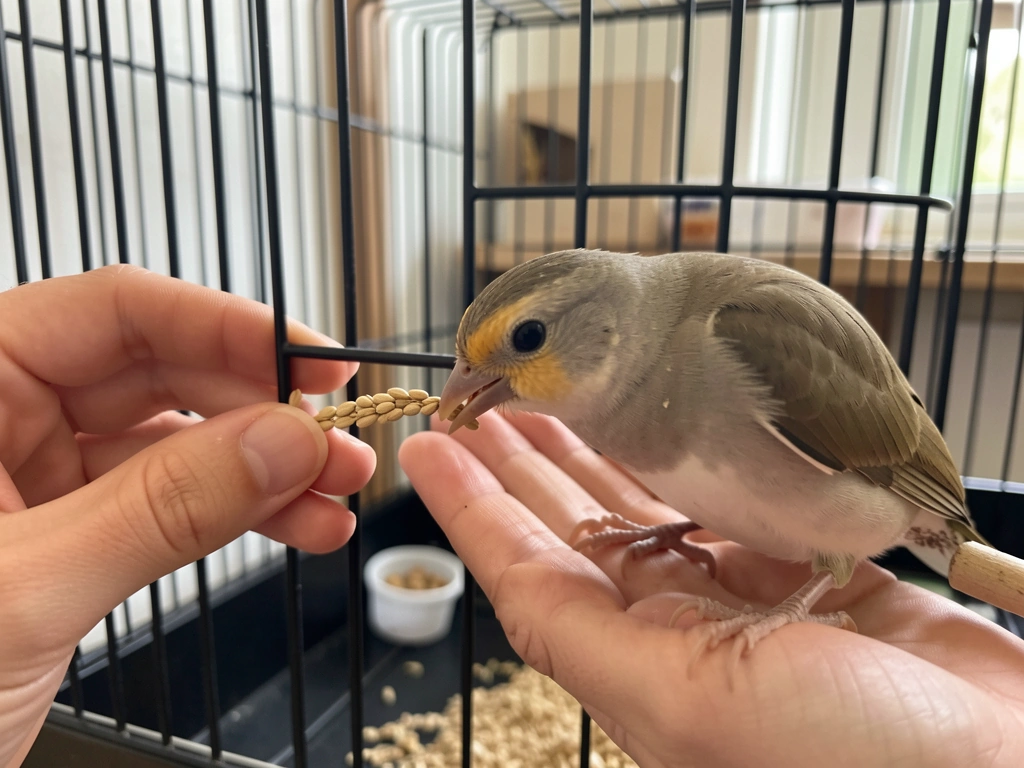
Once you've chosen the name, the goal is to make it the most meaningful sound in your bird's world as quickly as possible. The method is simple: say the name, then immediately deliver something the bird loves. PetMD also recommends using your bird’s name in training moments, such as saying it when you open the cage door, paired with verbal praise or the reward say the name, then immediately deliver something the bird loves. A bit of millet, a head scratch, a treat, direct eye contact and enthusiastic praise. Every time. Consistent repetition paired with a reward is how birds learn that a sound is addressed to them specifically.
Keep your sessions short and focused. Training research consistently points to two-to-five minute windows as the sweet spot for bird vocal learning. That's it. Two minutes of clear, consistent name repetition with immediate rewards is more effective than a thirty-minute casual attempt. Do it multiple times a day rather than in one long session.
Use the name at the same moments every time, especially during predictable daily events: when you walk into the room, when you approach the cage, when you offer food. These are the moments your bird is already paying attention, so pairing the name with those moments builds recognition fast. The consistency of tone and inflection matters too: say the name the same way each time so the bird has a clear, repeatable sound to lock onto.
If you want to turn name recognition into a full recall response (the bird coming to you when called), start using the name paired with millet or a favorite treat from a short distance. Work up the distance gradually once the bird reliably orients toward you when it hears its name. This is essentially the same approach used for call-and-response training, and it starts the moment you pick a name.
One more thing: if you accidentally teach the bird a different word or sound first (it happens), don't panic. The trick is simply to stop responding to the old sound and consistently reinforce only the new name. Birds reduce unwanted vocalizations when those sounds stop producing a reaction, so patience and consistency will sort it out.
Common naming mistakes and quick fixes
Most naming regrets come from the same handful of mistakes. Here's what to watch for and how to fix each one quickly.
- Too long: If the name has more than three syllables, you're already going to shorten it. Just start with the short version. "Alexander" becomes "Alex" immediately; just name the bird Alex.
- Too hard to say quickly: Names with multiple consonant clusters (like "Bartholomew" or "Kristoff") are annoying to say ten times in a row during a training session. Swap for something with open vowel sounds and a clear ending.
- Sounds too much like a command: Names that rhyme with "No," "Stop," "Down," "Go," or "Come" will create confusion. Run the conflict check above before you commit.
- Repeated syllables causing confusion: Some guidance flags names like "Dee-Dee" or "Kiki" because the repeated sound can blur into background noise. Single clear syllables or two distinct syllables work better.
- Choosing a name you like but can't say enthusiastically: You're going to say this name hundreds of times. If it doesn't naturally come out warm and bright, the bird will have a harder time associating it with positive things. Pick something you genuinely enjoy saying out loud.
- Changing the name too often early on: Inconsistent name usage is one of the biggest obstacles to name recognition. If you're still deciding between two options, pick the most likely winner and stick with it for at least two weeks before reconsidering. If you do change it, go cold turkey on the old name immediately.
The good news is that birds are more flexible than people give them credit for. If you change a name within the first few weeks, a consistent two-to-five minute daily routine with clear repetition and rewards will have the new name landing in less time than you'd expect. The process works whether it's the first name or a correction.
The bottom line: pick something short, say it like you mean it, and back it up with treats and attention every single time. That combination of a well-chosen name and a consistent introduction routine is what turns a random word into the sound your bird actually responds to. Start today, keep sessions short, and you'll be surprised how fast it clicks.
FAQ
What should I do if my bird does not seem to recognize the name after several days?
If your bird ignores the name, make sure you are rewarding an orientation behavior (head turn, eye focus, step toward the cage) within a second of saying it. If you only reward after the bird fully approaches, the connection can stay blurry, especially with shy or distracted birds.
Can I change my pet bird’s name later, and how do I do it without confusing them?
Yes, but avoid switching back and forth. Pick one name, use it consistently for at least 1 to 2 weeks, and only introduce the new name after you can reliably get the bird’s attention with the current one. During the switch, stop rewarding the old sound completely so the bird learns which sound still predicts good things.
How do I avoid choosing a name that accidentally sounds like a command I use at home?
For training, choose a name with hard-to-mishear sounds, like clear consonants (K, T, P, B, D, G) and avoid names that could blend into commands you use often. Even if a name fits your style, if it sounds close to “no,” “come,” “step up,” or “pretty,” you can get inconsistent responses.
What happens if multiple family members call my bird different nicknames or pronounce the name differently?
If you live with other people, decide on one pronunciation and one nickname, then have everyone follow it. Inconsistent tone or swapping between “Cleo” and “Cleo-bea” can slow learning because the bird is trying to match meaning to a specific sound pattern, not just the general idea of the name.
My bird has a specific chirp or whistle, how do I choose a name that matches it?
Some names work better than others for different calls. If your bird already has a steady chirp or whistle that you want to build from, test a few matching names by recording how your bird reacts when you say them. The “best” name is the one that reliably triggers attention, not the one that sounds cutest to you.
Can background sounds at home interfere with name training?
Avoid names that are too similar to common household noises, like the TV’s background exclamations, the dog’s “sit,” or the alarm clock ringtone. If the same sound pattern shows up in daily life, your bird may respond inconsistently because the sound no longer uniquely predicts you.
How should I use the name during handling or “step up” training if my bird is sometimes nervous?
If your bird is already bonded and will step up readily, use the name right before the request and reward after the behavior. If your bird is aggressive or skittish, start by rewarding only for calm attention (no sudden hand movements), then gradually pair the name with closer approach over multiple short sessions.
Should I say my bird’s name inside full sentences when training?
Keep the name “clean” for learning by not attaching long sentences to it. Say the name once in the same tone, then reward. After recognition is solid, you can expand into phrases like “Good job, Kiwi,” but early on, the extra words can dilute what the bird learns.
My bird mimics words, how do I handle it if they start repeating the name at random times?
If your bird vocalizes the name back to you, you do not need to stop it, but reward the correct moment you want. For example, say the name, pause for a second, then reward if the bird orients toward you. This turns mimicry into communication without accidentally training the bird to only perform when you interrupt.
If the name training stalls, what’s the fastest troubleshooting step?
Do a quick “day-two test” by changing only one thing: the name. Run short sessions the same way each day for 5 to 7 days. If the bird improves, keep going. If not, re-evaluate length and consonant clarity first, since those affect whether the sound reliably stands out over excitement and room noise.
Next Article
Good Bird Names for Parrots: Picks by Type and Vibe
Creative good bird names for parrots by type and vibe, plus tips to teach and test the best 1–3 options fast.