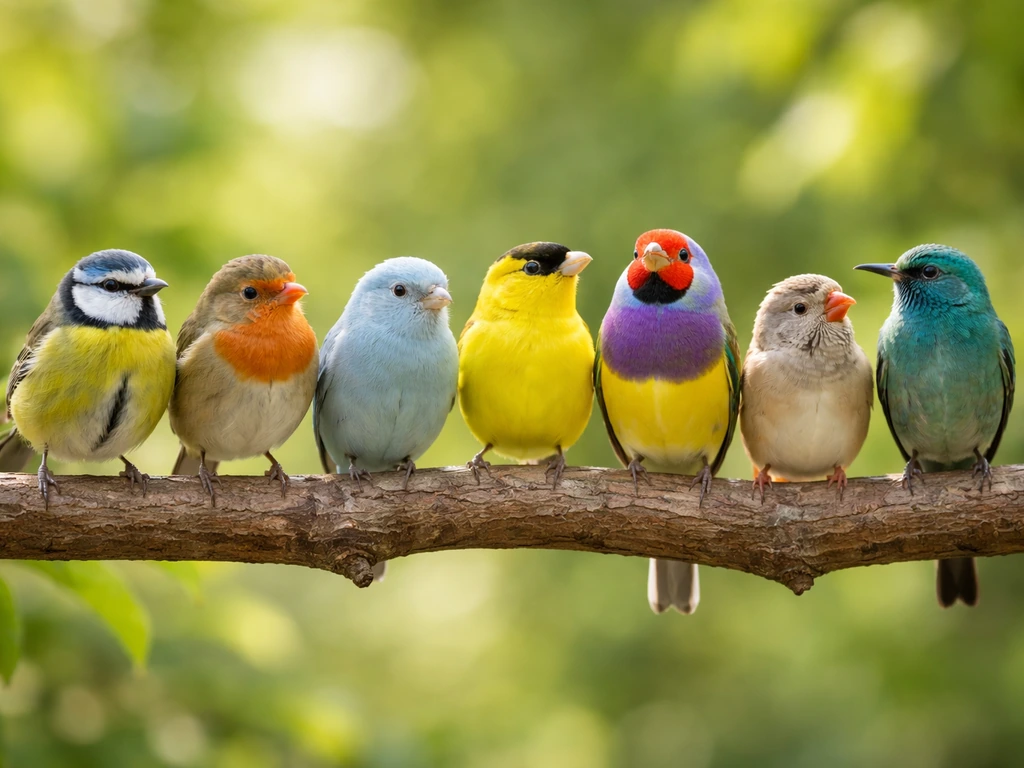
The best funny bird names are short, punchy, and rooted in something real about your bird. For more inspiration, you can also look at top bird names that balance humor with easy everyday pronunciation funny bird names. Think Cheep Trick, Lord Fluffington, Sir Tweets-a-Lot, Beak Obama, Birdie Sanders, Cluck Norris, or Feather Locklear. They land because they mix wordplay with recognizable references, and they're still easy to say out loud a hundred times a day without feeling ridiculous (well, more ridiculous than intended).
Best Funny Bird Names: Ideas and How to Pick the Right One
Maya Castellanos
8 Jun 2026
What counts as a "funny bird name" and what makes it stick
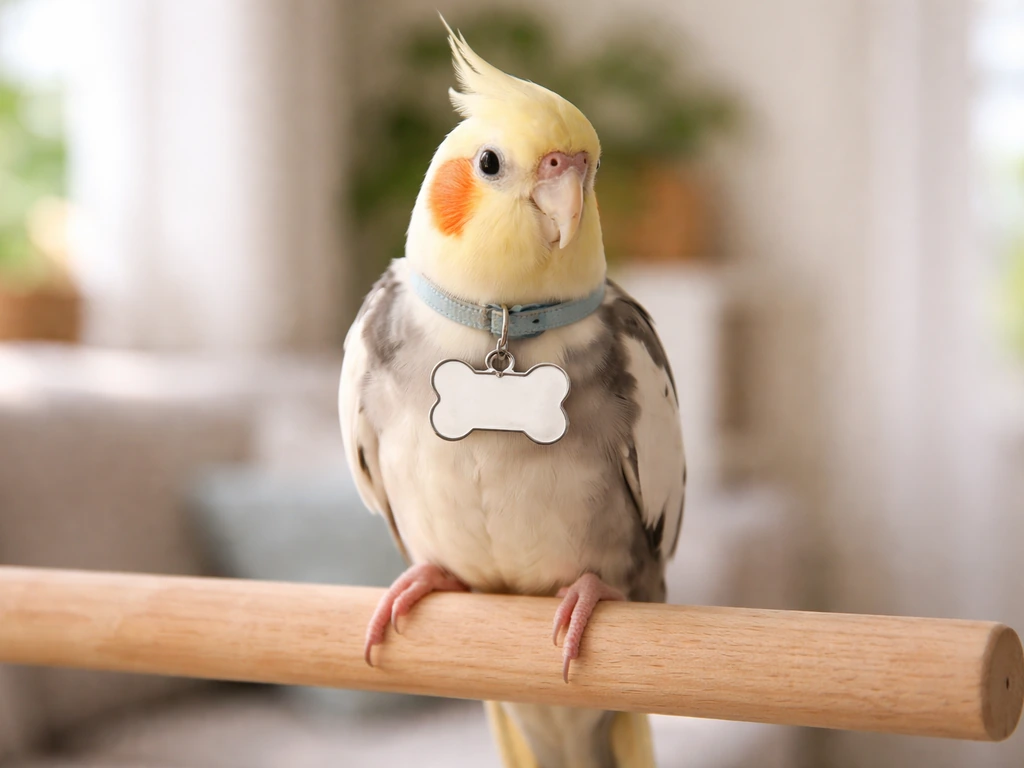
A funny bird name works on at least one level beyond just sounding quirky. The best ones use a pun on a bird-related word, a celebrity name with a bird twist, a goofy formal-sounding title, or a sound or behavior the bird actually does. What separates a name that gets a laugh every time from one that just feels weird is specificity: the name says something true about the bird, or about your relationship with it.
Stickiness is the other half. A name needs to survive daily use. You'll call it dozens of times a day, say it to your vet, introduce the bird to guests, and potentially train the bird to respond to it. blank" rel="noopener noreferrer">Pet naming research consistently points to one- or two-syllable names as the practical sweet spot. blank" rel="noopener noreferrer">Names ending in a vowel sound (like "a" or "ee") are especially easy to say repeatedly because they roll off the tongue naturally. So "Polly" beats "Polyphemos," and "Cheep" beats "Cheapskate McFeathers" for daily calls even if the longer version is funnier on paper.
The trick is to find a name that's funny in full form but still has a short call-name version you can actually use. More on that structure later.
Quick picks: classic punny and goofy bird-name ideas
Here's a solid starting list organized by style. These aren't random: each one works because it either references something bird-specific, twists a recognizable name, or carries a personality that fits a bird's natural drama.
Celebrity and political puns
- Beak Obama
- Birdie Sanders
- Feather Locklear
- Cluck Norris
- Wing-ston Churchill
- Edgar Allan Crow (for dark-feathered birds)
- Tweety Roosevelt
- Robbin' Williams
- Lady Caw Caw
- Amelia Birdheart
Punny bird-word names
- Cheep Trick
- Tweetie Pie
- Nest Egg
- Flock Star
- Sir Tweets-a-Lot
- Wingman
- Talon-ted
- Chirpy McChirpface
- Captain Beak
- Squawker
Overly formal and pompous names (always funny on a small bird)
- Lord Fluffington
- Baron Von Peep
- Professor Feathers
- Sir Reginald Chirpsworth
- Duchess McFlap
- Admiral Birdsworth
- The Right Honorable Squawk
- Count Plumage
Pop culture and fictional references
- Tweety (classic but still works)
- Iago (the parrot from Aladdin)
- Woodstock
- Zazu
- Kevin (the bird from Up)
- Blu (from Rio)
- Big Bird (ironic on a tiny parakeet)
- Falkor (the luck dragon, but it sounds right for a white bird)
- Hedwig (for a white bird)
- Daffy
Name it by bird traits: color, species, sounds, and personality
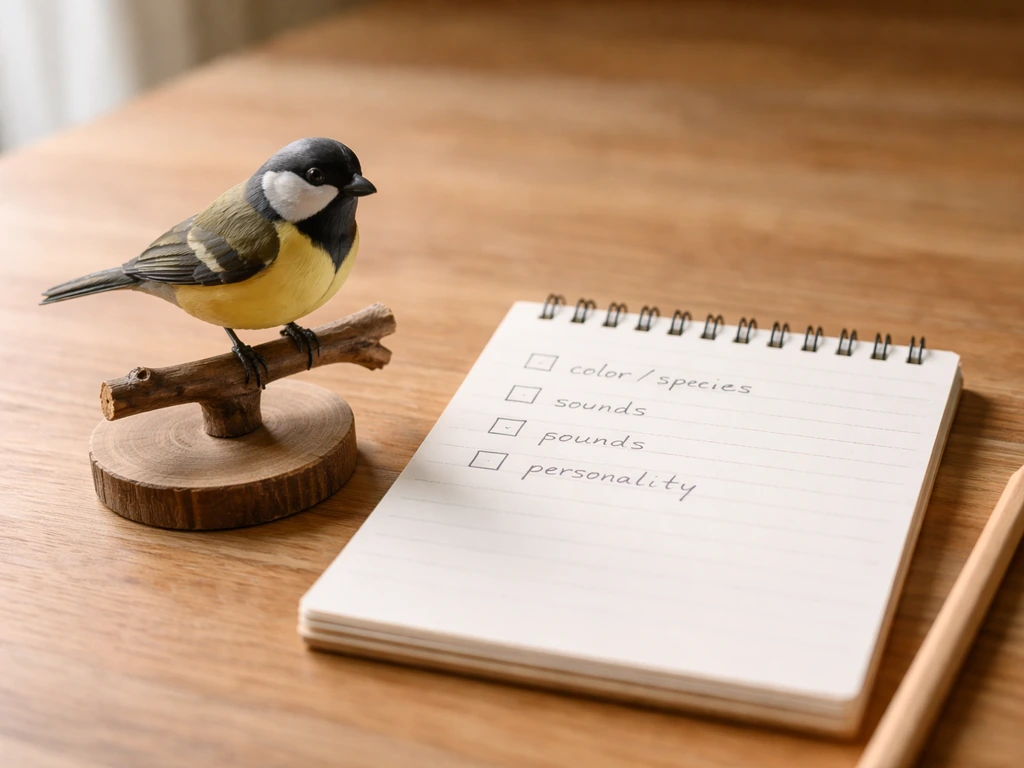
The funniest names often come from observation. Spend a few days watching your bird before committing. What does it actually do? Birds develop very distinct personalities fast, and a name that reflects a real quirk will always land better than a generic pun.
Color-based names
Color is the most obvious hook for wordplay. A green bird named Guacamole (Guac for short) is immediately funny and descriptive. A blue bird called Blue Steele or Bluepert lands the pun while staying memorable. Yellow birds are natural targets for egg and banana jokes. Red or orange birds lean into fire and spice references.
| Color | Funny name ideas | Short call-name |
|---|---|---|
| Green | Guacamole, Soylent Green, Kermit | Guac, Kerm |
| Blue | Blue Steele, Sir Blue-a-Lot, Bluebert | Blue, Bert |
| Yellow | Banana Split, Sunny-Side Up, Yolk | Nana, Sunny |
| Red/Orange | Sriracha, Frank-N-Furter, Blaze | Cha, Blaze |
| White | Snowflake Karen, Ghost Toast, Casper | Ghost, Cas |
| Grey | Fifty Shades, Dorian Grey, Ash Ketchum | Dorian, Ash |
| Multi-color | Skittles, Fruitcake, Disco Ball | Skip, Disco |
Species-specific humor
Parrots, cockatiels, budgies, canaries, and finches each have distinct traits that lend themselves to different comedy styles. A cockatiel's mohawk crest practically demands a name like Billy Idol or Punkinator. A budgie that never stops chattering earns something like Senator or Podcast. A canary with operatic pipes? Pavarotti or Celine Dion. A parrot with attitude? Karen or Gordon Ramsquawk.
Personality and behavior names
- Bitey McBiteface (for the bird that nips constantly)
- Houdini (for the escape artist)
- Drama Queen (for the bird that screams at nothing)
- Nap King/Queen (for the sleepy one)
- Thunderbeak (for the loud one)
- Zoomies (for the hyperactive bird)
- Grumpy (for the bird with perpetual side-eye)
- The Supervisor (for the one that watches everything you do)
Linguistic wordplay explained: puns, rhyme, alliteration, and etymology
The reason certain bird names hit harder than others comes down to the mechanics of wordplay. Understanding this helps you build original names rather than just picking from a list.
Puns: the engine of bird name comedy
Puns work by colliding two meanings in one sound. Bird puns usually operate in one of three ways: replacing a syllable in a famous name with a bird word (Beak Obama replaces "Barack" with a near-rhyme involving "beak"), using a bird-related word that sounds like an unrelated concept ("Cheep Trick" mirrors "Cheap Trick" while commenting on bird vocalization), or using a bird behavior word in a new context ("Sir Tweets-a-Lot" riffs on Sir Mix-a-Lot while describing literal bird behavior). The strongest puns work on both levels simultaneously, meaning the name is meaningful as a bird name AND as a cultural reference.
Alliteration and rhyme
Names like Chirpy McChirpface, Tweetie Pie, or Bitey McBiteface use repetition of sound to create an almost musical quality that's inherently comic. The "Mc[word]face" format became a meme after the Boaty McBoatface internet vote in 2016, and it transfers perfectly to bird names because it's absurdly formal while being deliberately silly. Alliterative names like Polly Parrot, Feather Fiona, or Beaky Bob are easy to remember because repeated consonant sounds create a memory hook.
Etymology as comedy gold
Some of the funniest bird names come from taking actual species etymology seriously and then playing with it. The scientific name for the booby (a seabird) comes from the Spanish "bobo," meaning fool or clown, because sailors thought the bird looked ridiculous. Naming your pet "El Bobo" or just "Bobo" is both etymologically accurate and genuinely funny. The name "Robin" comes from a pet form of the name Robert, and has been a bird name since the 15th century, which means calling your bird "Bob" is technically returning to the original. This kind of naming trivia is explored in depth across the species nomenclature side of this site, and it's a rich vein for anyone who wants a name with genuine linguistic depth behind the joke.
The "formal title" trick
Adding Lord, Sir, Baron, Professor, or Admiral before any bird-adjacent word creates instant comedy through contrast. A tiny parakeet named Lord Fluffington III is funny specifically because of the gap between the bird's size and its title. This is a form of incongruity humor, and it works every single time in person because introducing "Lord Fluffington" to a vet or a visitor gets a visible reaction. The contrast between grandiose title and small, chaotic bird is a reliable comedic formula.
How to choose the best name for your pet bird
Lists are useful, but the right name for your bird is specific to your bird. The best bird dog names work the same way: they combine something meaningful with a sound your pup can learn fast. Here's a practical filter to run any candidate name through before you commit. In fact, if you mean MLB mascots or team nicknames that are birds, you can count how many teams have bird names using the league's official list.
- Say it out loud 10 times fast. If it trips you up or sounds exhausting, it won't survive daily life. One or two syllables is the sweet spot for your working call-name.
- Check for command confusion. Names that sound like common commands create real problems during training. "Kit" sounds like "sit," "Jay" sounds like "stay." Avoid names that rhyme with no, go, come, stay, or step up.
- Test the long version separately. Have a funny formal name (Lord Fluffington) but use a short version for actual calls (Fluffy or Lord). Both can coexist.
- Watch the bird for a few days first. Behavior and personality reveal the best names. A bird named Drama Queen before you've seen it throw a tantrum over its empty dish is just a guess.
- Consider whether it works at the vet. You'll have to say this name to professionals. "Beak Obama" will get a smile at the clinic, but "Gordon Ramsquawk" might get a confused look. Decide how much explaining you're willing to do.
- Ask if it's a one-time joke or a lasting name. Names based on a current meme or news cycle can feel dated fast. Puns on classic references (Cluck Norris, Amelia Birdheart) age better than references to this month's viral moment.
One more filter worth applying: if you're getting a bird that already has a name it responds to, seriously consider keeping it or only making small modifications. If you are wondering which bird names are changing, this is a good time to decide whether to keep the existing name or only adjust it slightly. Research on pet behavior shows that learned name associations transfer directly into training and daily responsiveness. Changing an established name means starting the recognition process from scratch, which is extra work for both of you.
How to teach and test the name day-to-day
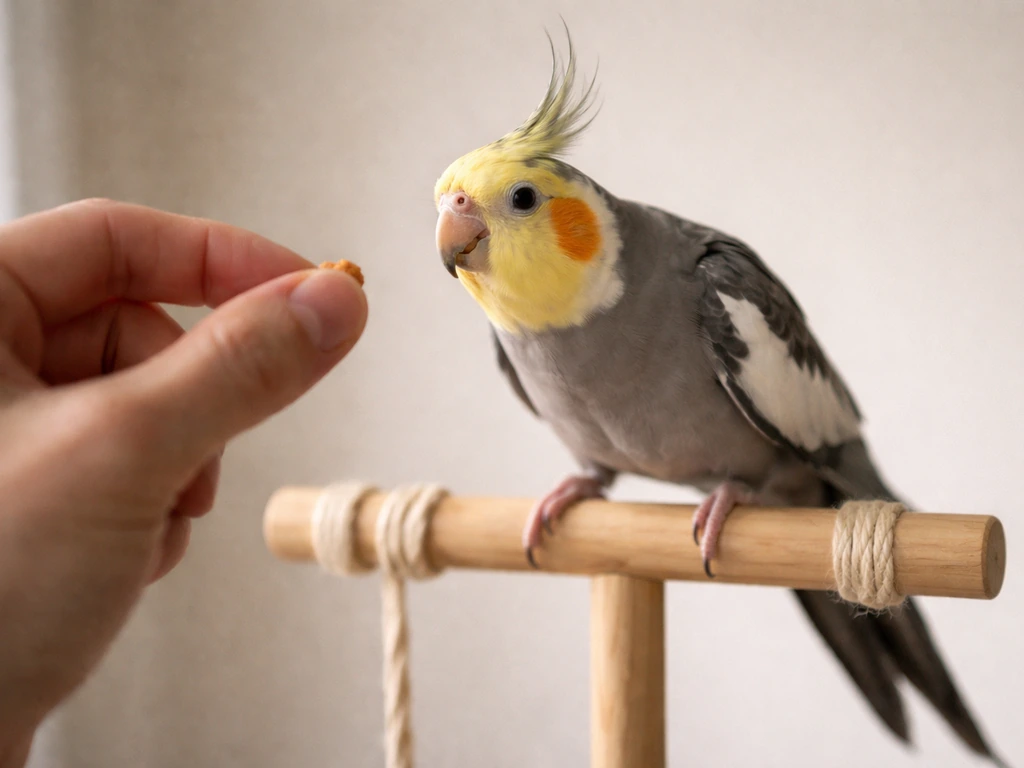
Choosing a great name is only half the job. Getting the bird to actually respond to it takes a little consistency. Birds don't learn names the same way dogs do, but parrots, cockatiels, and budgies definitely learn to associate a sound with attention and rewards over time.
- Use the short call-name consistently every time you interact. Say it when you approach the cage, when you offer a treat, and when you get a response. Repetition is the whole game.
- Always use the same version of the name. If your bird is Lord Fluffington, pick either "Lord" or "Fluffy" as your daily call-name and stick to it. Switching between versions delays recognition.
- Reward responses. Every time your bird reacts to its name (looks at you, moves toward you, vocalizes back), that's the association building. Treat or attention immediately after reinforces it.
- Test recognition after about two weeks. Call the name when the bird isn't already looking at you. A head turn or vocalization back is a good sign. No response means more repetition is needed.
- Don't call the name in a neutral or negative context. If the name comes right before something the bird dislikes (being put away, medication), it'll start to associate the name with that. Keep early name use positive.
- If the bird already says its name (common with parrots), lean into it. A bird that says its own name is doing your marketing for you.
One practical note: a bird's response can fade if it hasn't been called in a while. If you take a vacation and someone else cares for the bird using a different name or no name at all, you may need a short refresher period when you return. This is just how the association works, not a sign the bird forgot you.
Naming variations: short call-name vs formal name, and cultural references worth knowing
The best bird names often operate on two levels: a formal name that delivers the joke, and a short call-name that works in daily life. Think of it like a person who goes by "Chip" but whose full name is on a certificate somewhere. For birds, this means you can commit to a genuinely funny elaborate name without sacrificing practicality.
| Full funny name | Short call-name | Why it works |
|---|---|---|
| Lord Fluffington III | Fluffy / Lord | Pompous contrast; formal title on a small bird |
| Beak Obama | Beaky / Barack | Political pun with a bird anatomy twist |
| Gordon Ramsquawk | Gordon / Squawk | Celebrity pun that describes parrot behavior |
| Sir Tweets-a-Lot | Tweets / Sir | Hip-hop reference meets literal bird description |
| Chirpy McChirpface | Chirpy / Chimp | Internet meme format; onomatopoeic base |
| Amelia Birdheart | Amelia / Amy | Historical figure pun; works for adventurous birds |
| Cluck Norris | Cluck / Chuck | Action hero pun; best for tough-looking or aggressive birds |
| Feather Locklear | Feather / Heather | Near-rhyme celebrity pun; works for elegant birds |
Cultural references in bird names have a long history beyond just pet naming. Golf uses bird names for scoring terms (birdie, eagle, albatross), NFL and MLB teams have adopted bird names as mascots, and bird names appear throughout literature and mythology. Golf uses bird names for scoring terms like birdie and eagle, which is why it shows up so often in the sport. If you want a name that connects to a broader cultural tradition rather than just a current joke, looking into those naming conventions offers a different kind of depth. There's a lot of interesting territory in how human culture has used bird names as symbols, titles, and identifiers over centuries, and a name rooted in that history can carry real weight alongside the comedy.
The bottom line: pick a name that makes you smile every time you say it, that your bird can eventually learn to recognize, and that you won't regret explaining at the vet. A two-syllable punny name with a clear pop-culture hook is usually the perfect combination of funny, practical, and lasting. If you're also looking for the best bird species names, you can match naming ideas to the species traits that make each one distinct bird names. Start with personality observation, run it through the practical filters above, build in a short call-name version, and you'll have a name worth keeping for the bird's whole life.
FAQ
How do I tell if a funny bird name is actually practical enough to use every day?
Do a “100-say test” out loud. If the full name is fun but you can’t comfortably repeat it while feeding, stepping near the cage, and calling for quick attention, keep the joke as the full name but create a shorter call-name (often 1 syllable, or 2 with a vowel ending) you’ll use consistently.
What should I do if my bird already has a name it responds to at the shelter or breeder?
Keep the existing sound as the core, then layer humor as a prefix or suffix. For example, if the bird responds to “Polly,” you can switch to “Polly Parrot” but still say “Polly” for training and attention. Large changes require the bird to relearn association from scratch, which can slow responsiveness for days to weeks.
Can I use a name with a hard consonant or tricky sounds like “K” or “R” if the bird seems confused?
Yes, but watch the first week. If calling causes delayed head turns, fewer approach behaviors, or more startle reactions, simplify the sound pattern. Switch to a smoother call-name that ends in a vowel sound (like “Cheep,” “Birdy,” “Tweetie”) and treat the longer joke name as an introduction name rather than the training cue.
Are celebrity or political references a bad idea for bird names?
They can be fine if you’re comfortable using the name around guests and at the vet. The main risk is social awkwardness, not learning ability. If you want to keep the reference but reduce awkward explanations, use a non-specific call-name publicly and reserve the full pop-culture version for yourself.
How do I avoid naming my bird in a way that sounds like a command or cue?
Check whether the name rhymes with common cues like “sit,” “stay,” “no,” “come,” or “step up.” If it sounds too similar, you may accidentally reinforce the wrong behavior. Pick a name with a distinct rhythm or ending sound, then keep training cues separate and consistent.
What’s the best way to train a bird to respond to a funny name?
Use the call-name immediately before something the bird wants (treat, favorite toy, or step-up opportunity). Keep sessions short, repeat the same exact sound, and reward the approach or eye contact. If another caretaker uses a different name during a gap, plan a short refresher when you’re back.
Should the funny name change based on the bird’s species or behavior?
It helps to match the name to something stable about the bird. Species-specific traits are great inspiration, like a cockatiel’s crest or a canary’s singing, but the highest success comes from the bird’s consistent quirks over time, not a one-time moment.
What if my bird never learns the name, even if I say it a lot?
Try separating “attention sounds” from “training names.” Some birds respond more to a consistent tone or whistle than to word-like sounds. Use the same call-name plus a distinct tone you can replicate, and consider whether the bird prefers quieter recall moments (morning, after cage cleaning, or when food is motivated).
Can I give the bird both a formal funny name and a short call-name without confusing them?
Yes, as long as the call-name is always the one tied to rewards and attention. Introduce the full funny name casually, but use only the short call-name for training, vet transport, and everyday calls. That keeps the association clean while still letting the joke live in the background.
Is there a good way to come up with original funny bird names instead of copying examples?
Pick one “source” and one “style.” Source examples: color (green), behavior (screeches early), or a real linguistic hook (etymology). Style examples: pun on a familiar name, Mc[word]face form, alliteration, or a grand title contrast. Then compress it into a short call-name that you can repeat easily.
Next Article
Best Bird Species Names: Pick Accurate, Beautiful Ideas
Find the best bird species names with common vs scientific meanings, etymology, and tips to verify accuracy for pets.