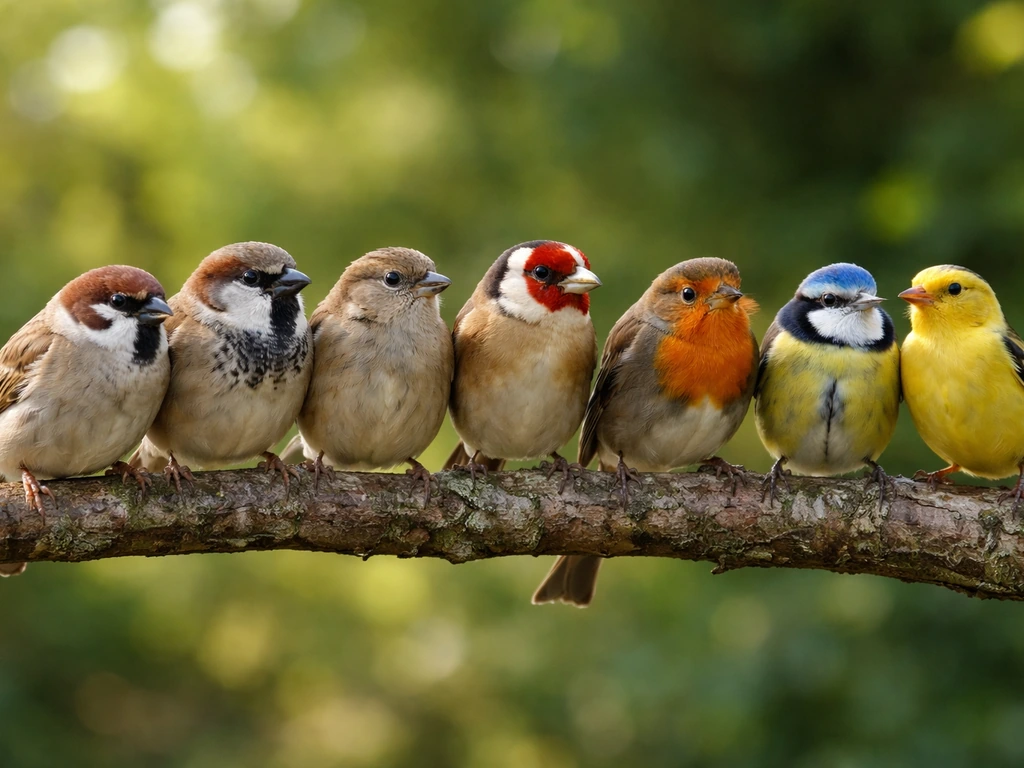
No, 'bird' is not a proper noun in everyday English. It's a common noun, the same category as 'dog,' 'tree,' or 'car.' You write it in lowercase unless it starts a sentence, appears in a title, or is part of a fixed proper name like a surname, a brand, or a specific species name that includes a proper adjective. That's the whole rule in a nutshell, but the details matter more than you'd think, especially if you're writing about bird species, naming a pet, or wondering why 'Bald Eagle' gets capitals while 'little blue heron' sometimes doesn't.
Is Bird a Proper Noun? Capitalization Rules for Bird Names

Maya Castellanos
4 Jun 2026
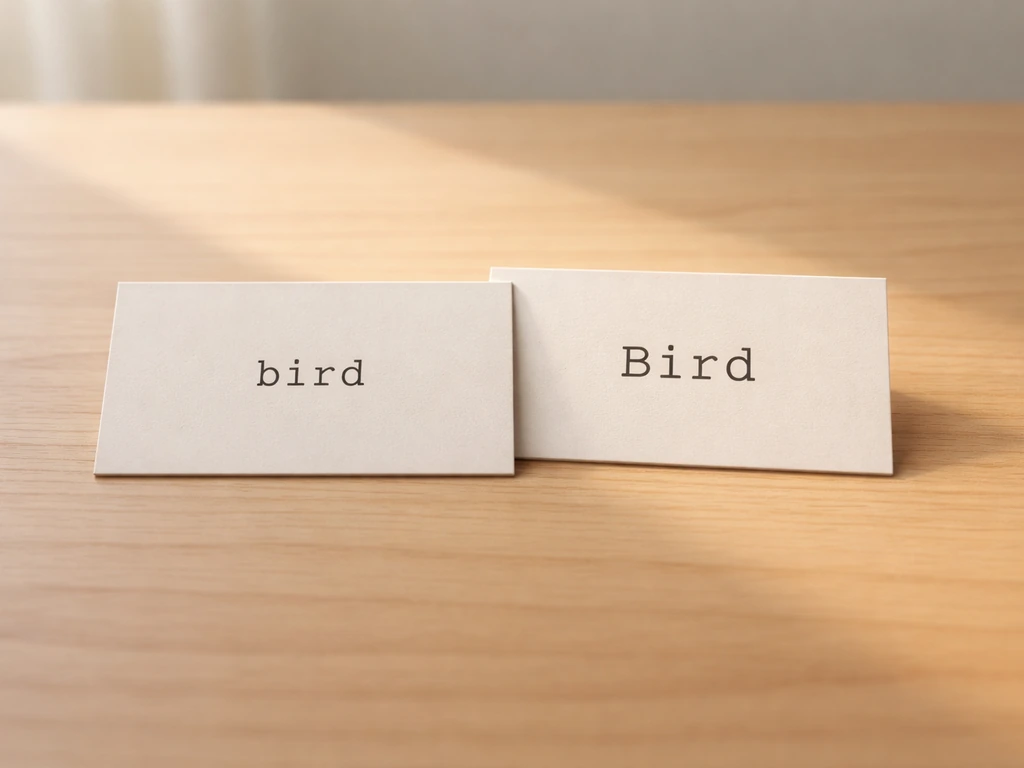
Quick grammar rule: common noun vs. proper noun
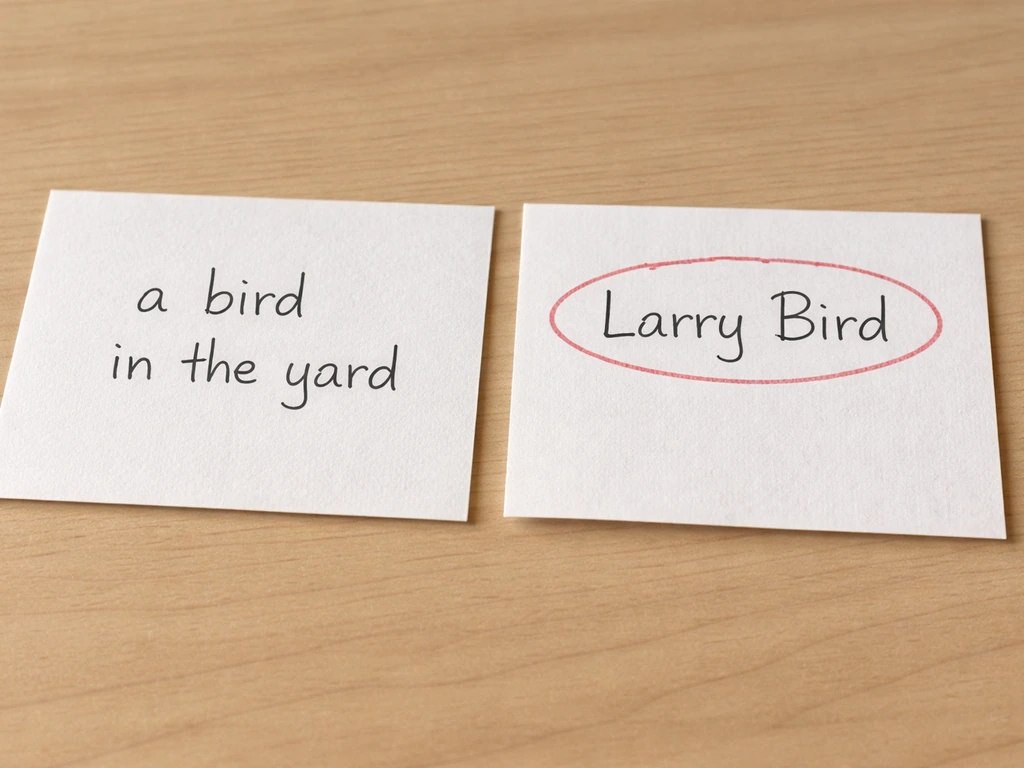
A proper noun names one specific, particular thing: a person, a place, a company, a brand. Think Seattle, Felix, Pluto. A common noun is a general category word that refers to a class of things. 'Bird' fits squarely in the second camp. It describes any member of the class Aves without pointing at a single individual. Because it's generic, it doesn't get capitalized mid-sentence.
Merriam-Webster puts it well: proper nouns 'actually name one of the things a noun refers to,' whereas a common noun names the whole type. 'Bird' names the type. 'Eagle' names a narrower type, but it's still a common noun. Only when you get to a fixed, conventionally named label, a surname, or a brand does the word 'bird' (or a bird-related word) flip into proper-noun territory and earn its capital letter.
When 'bird' stays lowercase
In the vast majority of sentences you'll ever write, 'bird' is lowercase. That holds true whether you're talking about one bird, many birds, or a specific kind of bird used in a generic sense. Oxford lists 'bird' as a straightforward common noun, and the Chicago Manual of Style backs that up by stating that common names for birds are usually lowercased, even when you're referring to a recognizable type. Oxford Learner's Dictionaries also lists “bird” as a noun meaning an animal, supporting that it functions as a common noun in generic reference blank" rel="noopener noreferrer">'bird' as a straightforward common noun.
- A bird flew into my window this morning.
- She keeps three birds in her apartment.
- The little blue heron is common in coastal marshes.
- He has a real talent for spotting rare birds.
- The bird in the cage hadn't sung all week.
Notice that even 'little blue heron' sits in lowercase in that list. Chicago's guidance allows for that style, though some ornithological publications capitalize specific common species names. We'll get into that nuance in the section on species naming below. The key point here is that 'bird' as a standalone generic word is always lowercase when used mid-sentence in normal prose.
The same goes for idiomatic uses. 'Give someone the bird,' 'a bird in the hand,' 'free as a bird': in all of these, 'bird' is a common noun and stays lowercase. Merriam-Webster lists 'the bird' as a standard idiom entry, and neither 'the' nor 'bird' gets capitalized in those phrases.
When 'Bird' becomes a proper noun
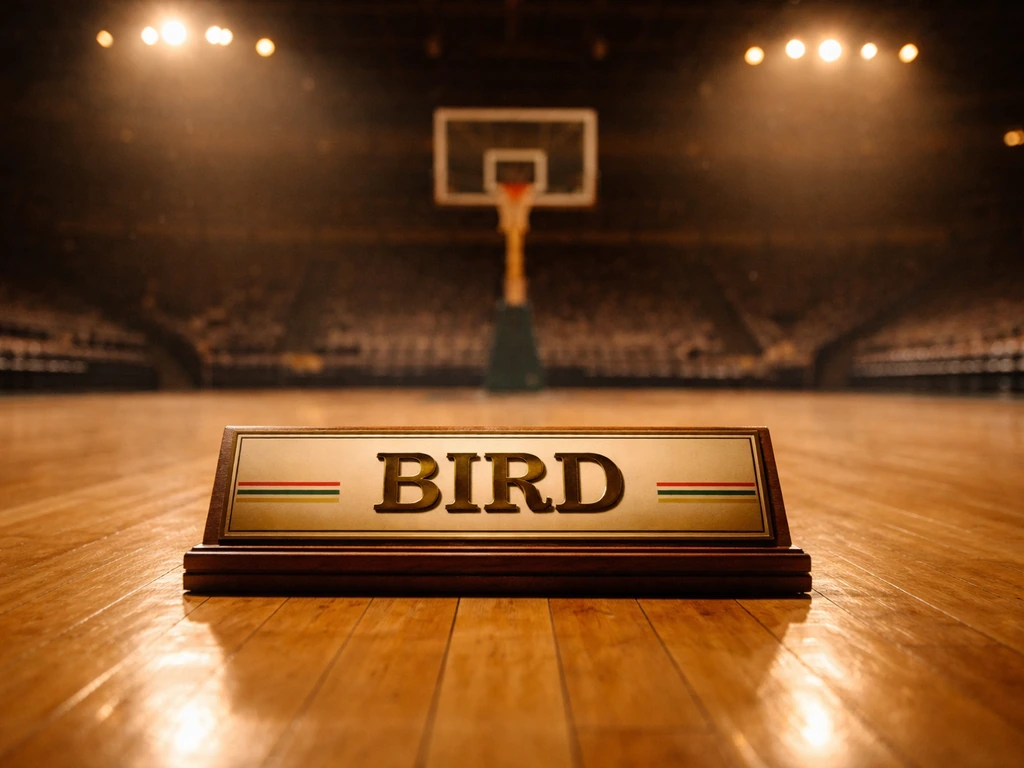
There are several real-world situations where 'bird' stops being a generic word and becomes part of a specific name. At that point, the capital letter is required.
Surnames
'Bird' is a genuine English surname. Larry Bird, the basketball legend, is probably the most famous example in American pop culture. When 'Bird' is someone's last name, it functions as a proper noun and is always capitalized. This applies to first names, nicknames, and handles too. If someone goes by 'Bird' as a persona or stage name, that capital letter is part of their identity.
Brand and company names
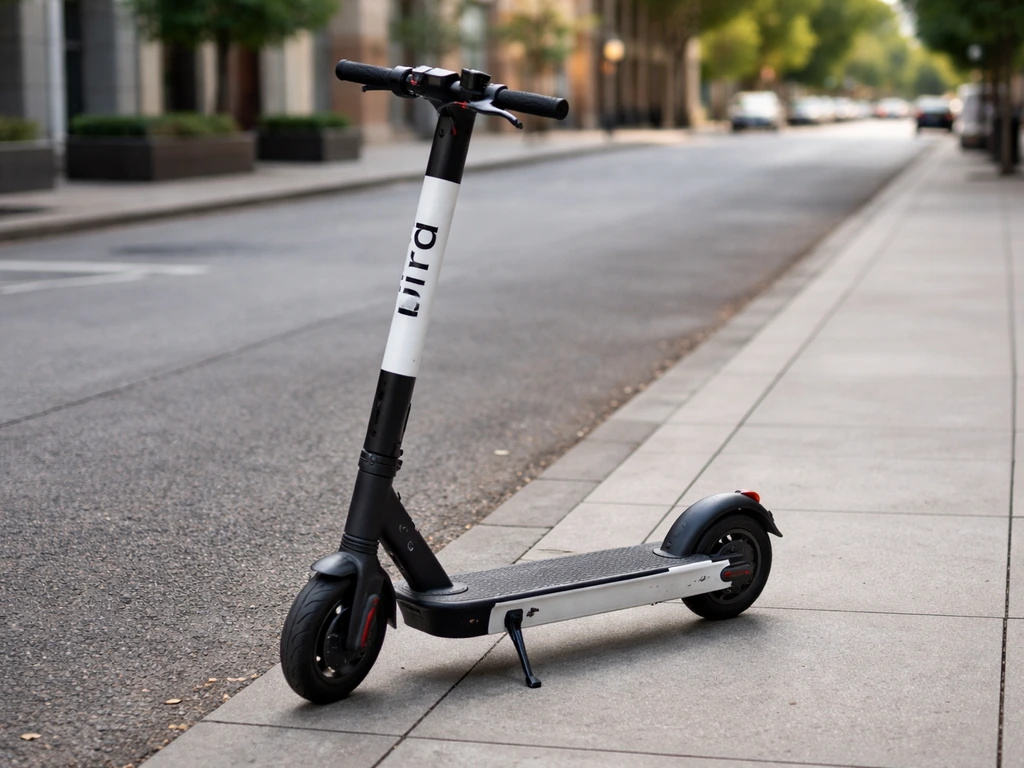
The electric scooter company Bird, formally Bird Global, used 'Bird' as its brand name throughout its corporate communications, even in headlines like 'Bird files for bankruptcy.' That 'Bird' is a proper noun because it refers to one specific company, not the concept of birds in general. The same logic applies to apps and game titles: 'Flappy Bird' capitalizes 'Bird' because it's part of a trademarked game title, and 'Birda,' the birding app, stylizes its name with a capital B as a branding choice. Coverage of the app name uses “Bird”/“Birda” as a stylized brand, which shows capitalization can change with branding rather than with grammatical “bird” meaning “Birda” as a stylized app brand.
Titles and headlines
Title case capitalization, used in headlines, book titles, and article headings, capitalizes most major words regardless of whether they'd normally be proper nouns. So 'Bird' in a headline like 'Bird by Example' gets a capital not because of grammar but because of title-formatting convention. Don't confuse title case with the word being a proper noun. In the body text of the same article, 'bird' would almost certainly be lowercase.
Named venues, organizations, and nicknames
If 'Bird' or 'the Bird' appears in a formally named venue, organization, or official nickname, it gets capitalized because the full phrase functions as a proper noun. A sports team officially called 'the Birds' or a bar named 'The Bird' uses 'Bird' as part of a specific, fixed name. That said, 'the' in front of such names is typically not capitalized mid-sentence, which is consistent with how Merriam-Webster handles similar constructions.
Capitalization inside specific bird names
This is where things get genuinely interesting, and where bird enthusiasts, writers, and ornithologists sometimes disagree. The question of whether to write 'bald eagle' or 'Bald Eagle' comes down to style and context, not a single universal rule. In other words, bird names can function as proper nouns when they are used as fixed, specific labels for a named species or brand. If you ever see a common bird name written with capitals, it is usually because a style guide or context is treating it like a fixed species label.
Common names: the style-guide split
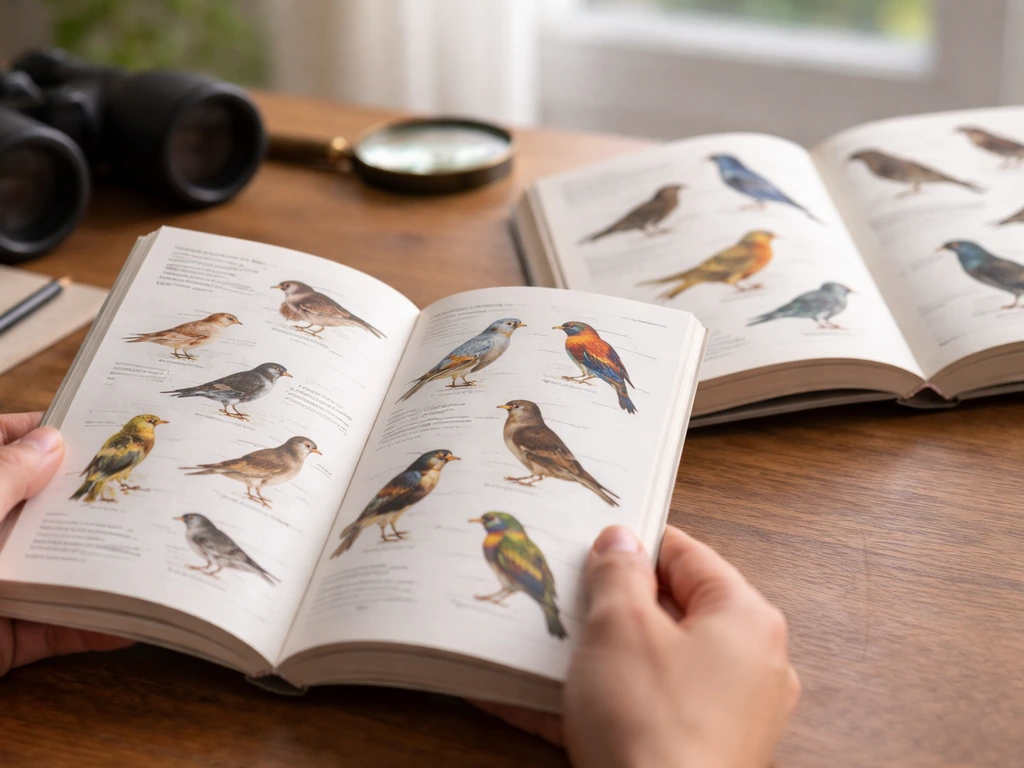
Chicago style lowers common bird names ('little blue heron,' 'house sparrow') unless the name includes a proper noun or adjective. Chicago's stated exception is 'American crow': because 'American' is a proper adjective derived from the place name America, it stays capitalized even though 'crow' does not. The MLA takes a similar approach, focusing on whether part of the name behaves like a proper noun.
Ornithological organizations, field guides, and species databases often do the opposite: they capitalize the full English common name as a fixed label. National Geographic writes 'House Sparrow.' Audubon writes 'Bald Eagle' mid-sentence. BirdLife International capitalizes 'Bald Eagle' as a species label. ITIS uses 'House Sparrow' as the official English common name in its taxonomy records. This capitalization signals that the phrase is a standardized, species-level name rather than a casual description.
In practice: if you're writing for a general audience or following Chicago or AP style, lowercase common bird names unless they contain a proper noun. If you're writing for a birding publication, ornithological journal, or species database, capitalize the full common name as a fixed label. Either way, be consistent throughout your document.
Scientific names: different rules entirely
Scientific names follow binomial nomenclature, and the rules are stricter and universal. The genus name is always capitalized, and the species epithet is always lowercase. Both are italicized. So the House Sparrow is Passer domesticus, and the Bald Eagle is Haliaeetus leucocephalus. These conventions don't change based on style guide preference: they're set by taxonomic standards. The word 'bird' doesn't appear in scientific names at all, because Latin and Greek roots are used instead.
| English common name | Scientific name | Capitalization notes |
|---|---|---|
| Bald Eagle (or bald eagle) | Haliaeetus leucocephalus | Common name: capitalized by ornithological convention; lowercase in Chicago style. Scientific name: genus capitalized, species lowercase, both italicized. |
| House Sparrow (or house sparrow) | Passer domesticus | Same split: ornithological sources capitalize; Chicago lowercases. Scientific name follows standard binomial rules. |
| American Crow | Corvus brachyrhynchos | Both Chicago and ornithological style capitalize 'American' because it's a proper adjective. 'Crow' lowercased in Chicago style. |
| Little Blue Heron (or little blue heron) | Egretta caerulea | No proper noun component, so Chicago lowercases all. Ornithological publications capitalize full name. |
Practical examples across sentences, headlines, and quotes
Seeing the rule in action across different contexts makes it stick. Here's how 'bird' (and bird-related words) behave in real writing situations.
- Bird flew into the room. (Starts a sentence, so 'Bird' is capitalized, but it's still functioning as a common noun here.)
- She spotted a bird on the fence. ('Bird' is mid-sentence, common noun, lowercase.)
- Larry Bird signed autographs after the game. ('Bird' is a surname, proper noun, always capitalized.)
- Bird Global filed for bankruptcy in 2023. ('Bird' is a company name, proper noun, capitalized.)
- He played Flappy Bird for hours. ('Bird' is part of a game title, capitalized by title convention.)
- The American Crow is remarkably intelligent. ('American' is a proper adjective; 'Crow' capitalized here following ornithological style.)
- She loves watching house sparrows at her feeder. (Informal, generic usage in Chicago-style lowercase.)
- The field guide listed the House Sparrow as one of the most widespread species. (Formal species-label usage, capitalized.)
A quick note on the start-of-sentence situation: when 'bird' opens a sentence, it gets a capital letter purely because of position, not because it's become a proper noun. The same word, mid-sentence, would be lowercase. Titles and headlines are another false friend: title case capitalizes most words including 'Bird,' but that doesn't make the word a proper noun in the grammatical sense.
Naming your pet bird: when 'Bird' becomes a real proper noun
Here's where this topic gets genuinely practical for bird owners. When you give your pet a name, that name becomes a proper noun, and the capitalization follows immediately. It doesn't matter what word you choose: the moment 'Bird' (or 'Birdie,' or 'Captain,' or 'Mango') is your pet's actual name, you write it with a capital letter every single time you use it as their name.
Some pet owners simply name their bird 'Bird,' which is perfectly valid. In that case, 'Bird' is now a proper noun because it identifies one specific individual. 'Have you seen Bird today?' is correct capitalization. 'I have a bird named Bird' is also correct: the first 'bird' is a common noun describing the species, and the second 'Bird' is the pet's name.
'Birdie' follows the same pattern. As a standalone word in a sentence, 'birdie' is lowercase (it's a common noun or golf term). As a pet's name, 'Birdie' is capitalized. Wikipedia notes that 'Birdie' is a recognized given name in English, an informal diminutive of 'bird,' and names are always proper nouns. Cambridge confirms that 'birdie' as a regular word is lowercase, making the contrast clear.
Multi-word pet names
If your parrot's name is 'Captain Sky' or 'Blue Boy,' capitalize every word in the name, since the whole phrase functions as a single proper noun. Real-world reporting reflects this: when news outlets cover stories about named parrots (like one Brooklyn parrot named Captain who went missing), they capitalize the pet's name just as they would a person's. The word 'bird' might appear lowercase in the same sentence when used generically, but the name itself is always capped.
Practical tips for pet bird naming
- Any word you choose as a name becomes a proper noun: capitalize it every time you use it as the pet's name.
- If the name includes 'Bird' (like 'Thunder Bird' or just 'Bird'), capitalize the B whenever you're referring to the pet.
- Use lowercase 'bird' when describing what your pet is, not who your pet is. 'My bird Bird loves mango' gets both right.
- Multi-word names capitalize every major word: 'Pretty Boy,' 'Captain Jack,' 'Green Bean.'
- Nicknames and shortened names also get capitals: if you call your African Grey 'Grey' for short, that's capitalized as their name.
If you're exploring related questions, the rules connecting all of this are consistent: common bird names, whether or not they should be capitalized as species labels, follow a similar logic to the common-noun vs. proper-noun distinction at the heart of this question. The same goes for individual species like robins and cardinals, where the word is a common noun generically but gets treated differently depending on style and context. Cardinals are also an example of how the word can function differently in everyday naming versus official labels.
For cardinals, that means the word can stay lowercase as a generic common noun, but it may be capitalized when used as a standardized species label. So if “robin” is just the bird species name in general text, keep it lowercase unless it’s part of a standardized common-name label or a proper name for a specific bird individual species like robins.
So, in most cases, the bird versus the person is why the spelling and naming question comes up for cardinals.
FAQ
If I’m writing “bird” as a category in a form or label (for example, “Bird type” or “Bird section”), should I capitalize it?
Usually no. Capitalize only if the phrase is a formal heading following your organization’s style (for example, all major words in a heading). In normal sentence text and in form fields that read like instructions, “bird” is typically lowercase because it describes a category, not a specific proper name.
How do I handle “bird” when it’s part of a hyphenated description like “bird-friendly” or “birdwatching”?
Keep “bird” lowercase in general compound adjectives (for example, “bird-friendly,” “birdwatching,” “bird feeder”) unless the full term is a registered brand or a formally titled name in which capitalization is part of the trademark or proper label.
What should I do with “bird” in species names that include a proper adjective, like “American crow”?
Treat the place-derived adjective as capitalized and the rest according to your style guide. The key practical step is to decide whether your guide treats the common name as a standardized fixed label, then keep that capitalization consistent within the document.
Is “Bird” capitalized in emails or social media when it’s used like “Bird” as shorthand for a company or app?
Yes if it’s functioning as a brand reference. If you mean the company/app (“I switched to Bird”), capitalize it as a proper name. If you mean birds in general (“I love bird photos”), keep it lowercase.
Do I capitalize “bird” when it’s used in a title but appears in the middle of the title, not just at the beginning?
That depends on title formatting, not proper-noun grammar. Title case rules often capitalize major words, so “Bird” may appear capitalized in the title even though mid-sentence body text would still be lowercase.
In a sentence like “I saw the bird,” can “the bird” ever be capitalized?
Generally no. Idiomatic phrases like “the bird” are treated as common-noun usage in standard prose. Capitalize only if “the Bird” is part of a specific formal name (for example, “The Bird” as the official name of a venue).
How should I capitalize “bird” in “X bird” phrases, like “eagle bird” or “owl bird,” when “bird” comes after a species descriptor?
If the phrase is a generic description, keep both words lowercase unless your style guide treats that combined English common name as a fixed labeled species. If it’s an official common-name label from a taxonomic database for your intended audience, follow that label exactly and keep it consistent.
Does writing “Bird” in a caption for a photo mean it becomes a proper noun?
Not by itself. Captions follow the same capitalization rules as the rest of your document. Capitalize “Bird” only if it is a proper name (pet name, brand, official team or venue name) or if your publication uses title case for caption headings.
When I mention a pet’s name that includes a lowercase word like “bird” (for example, “Captain bird”), should I capitalize both parts?
If it is the pet’s official name, capitalize according to how the owner or registration spells it, and typically capitalize every word in the named phrase (“Captain Bird”). But for clarity, follow the exact proper spelling you intend to represent as the pet’s identity, since that becomes a proper-noun label.
Next Article
Is bird a common noun? Meaning, examples, and quick checks
Answer if bird is a common noun, with rules, examples, quick checks, and edge cases like capitalization and plural forms